
Last updated November 4, 2026
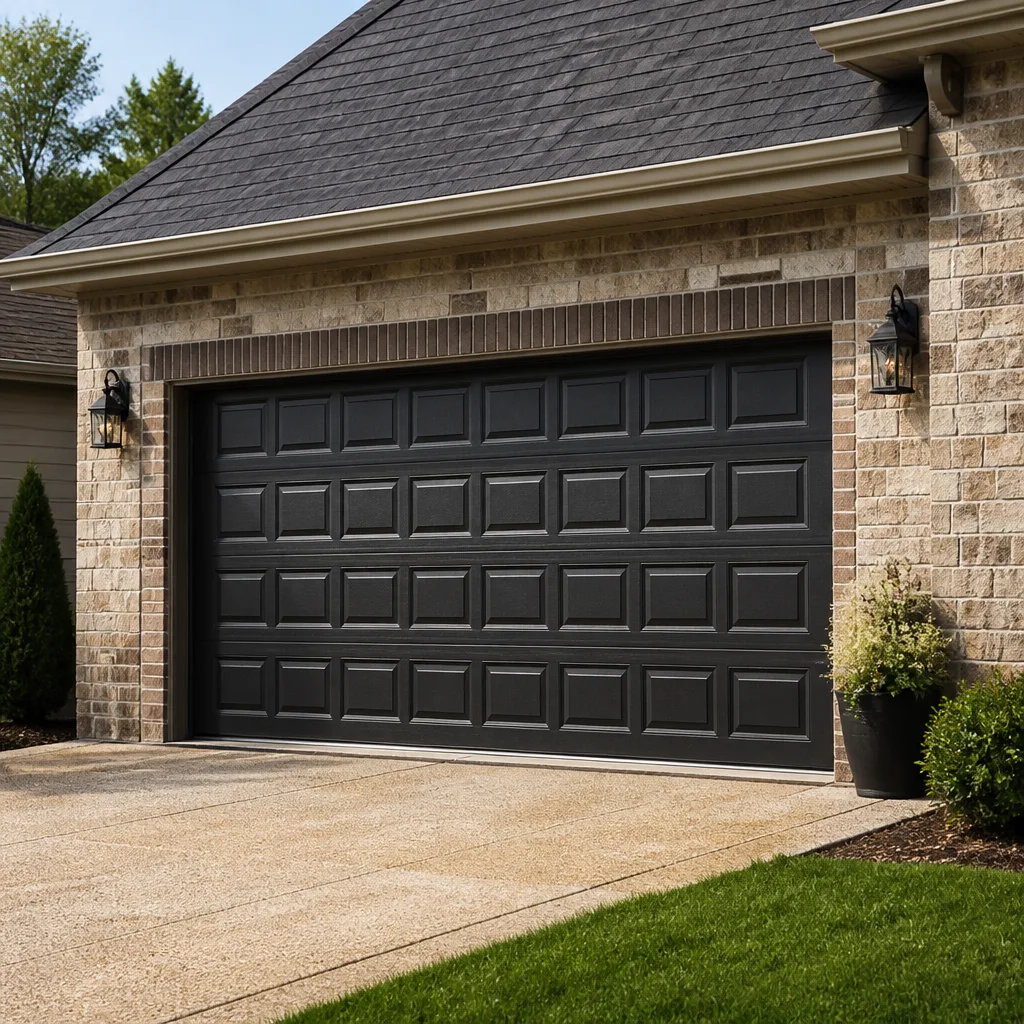 Raised-panel steel
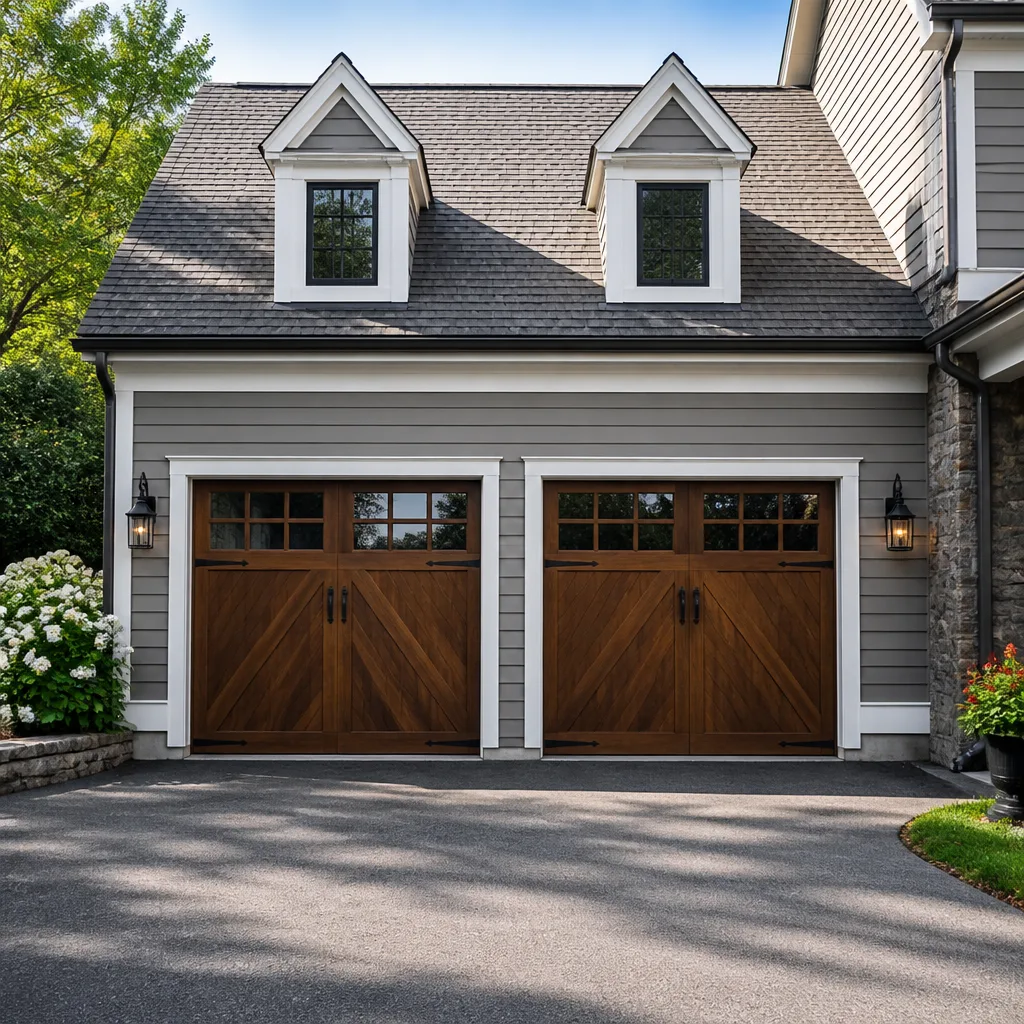 Carriage house
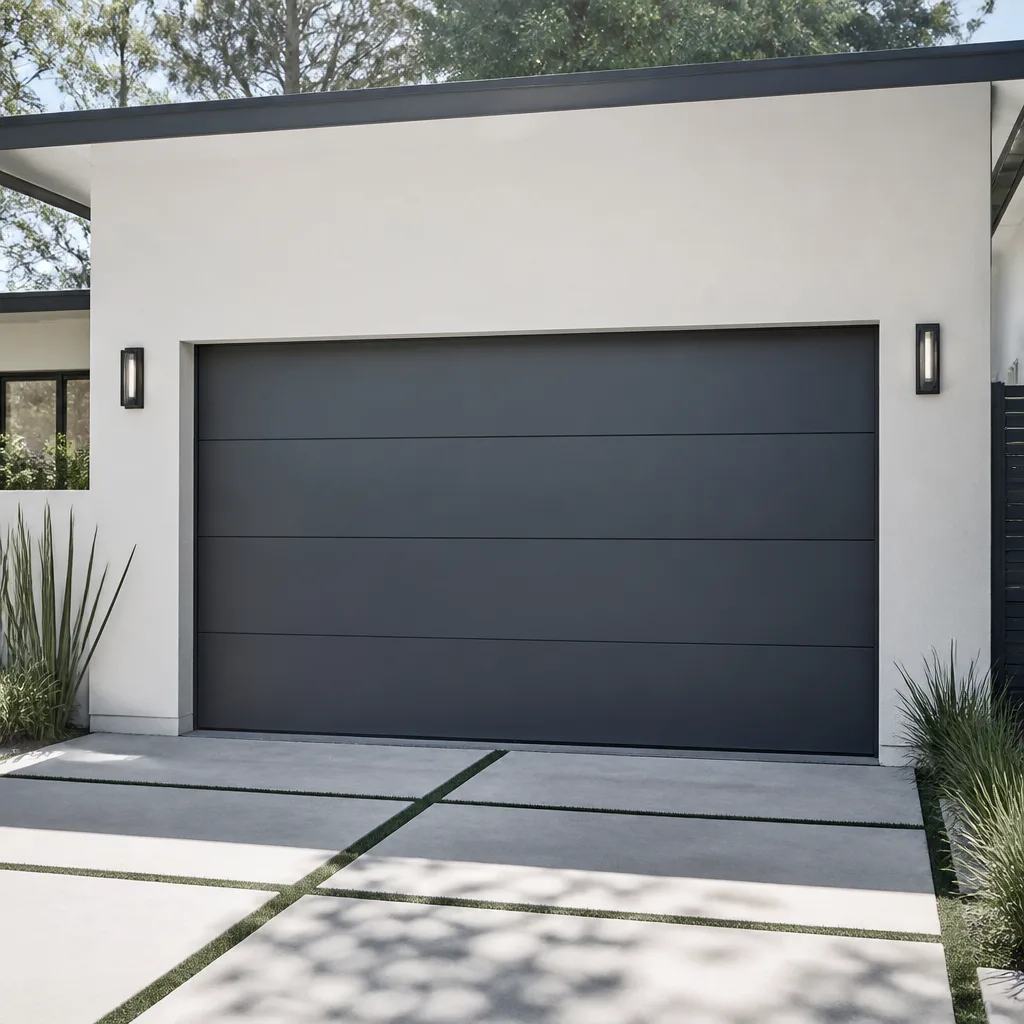 Modern flush
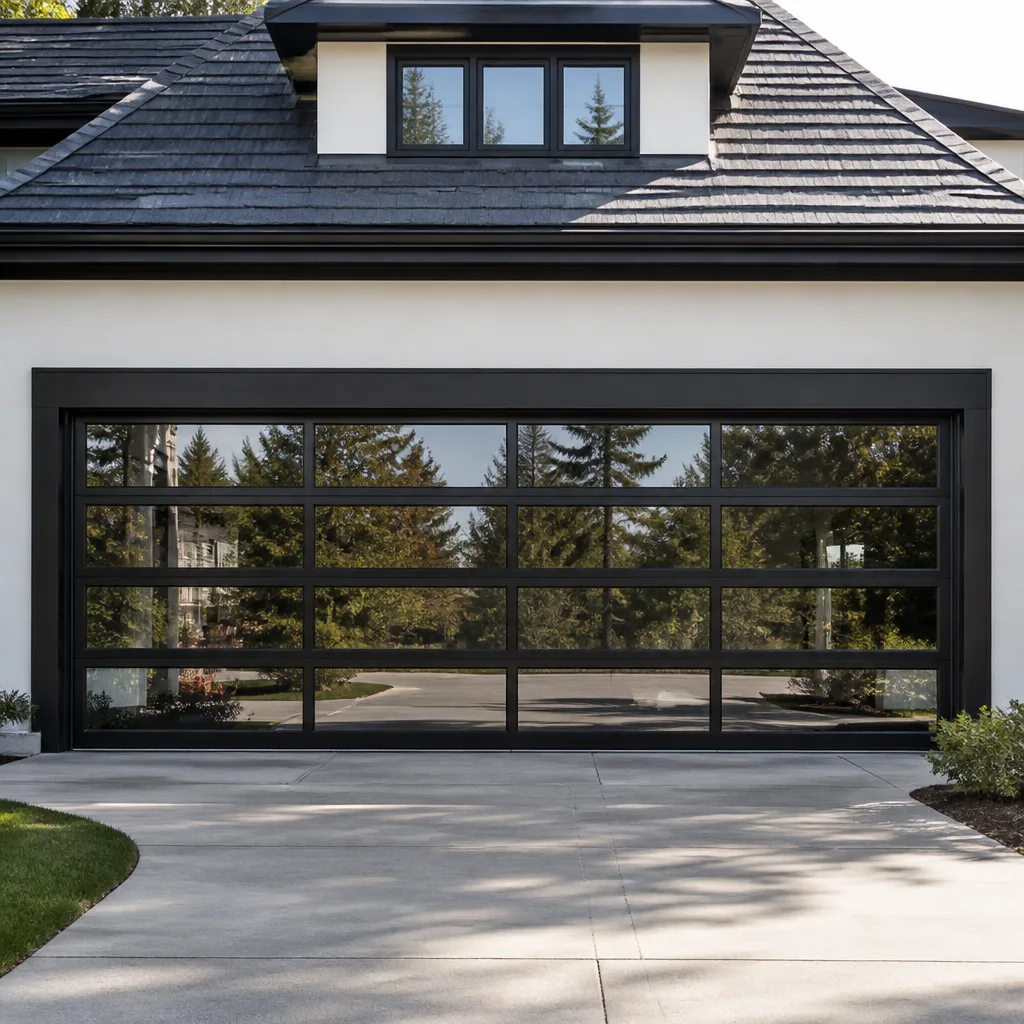 Full-view glass
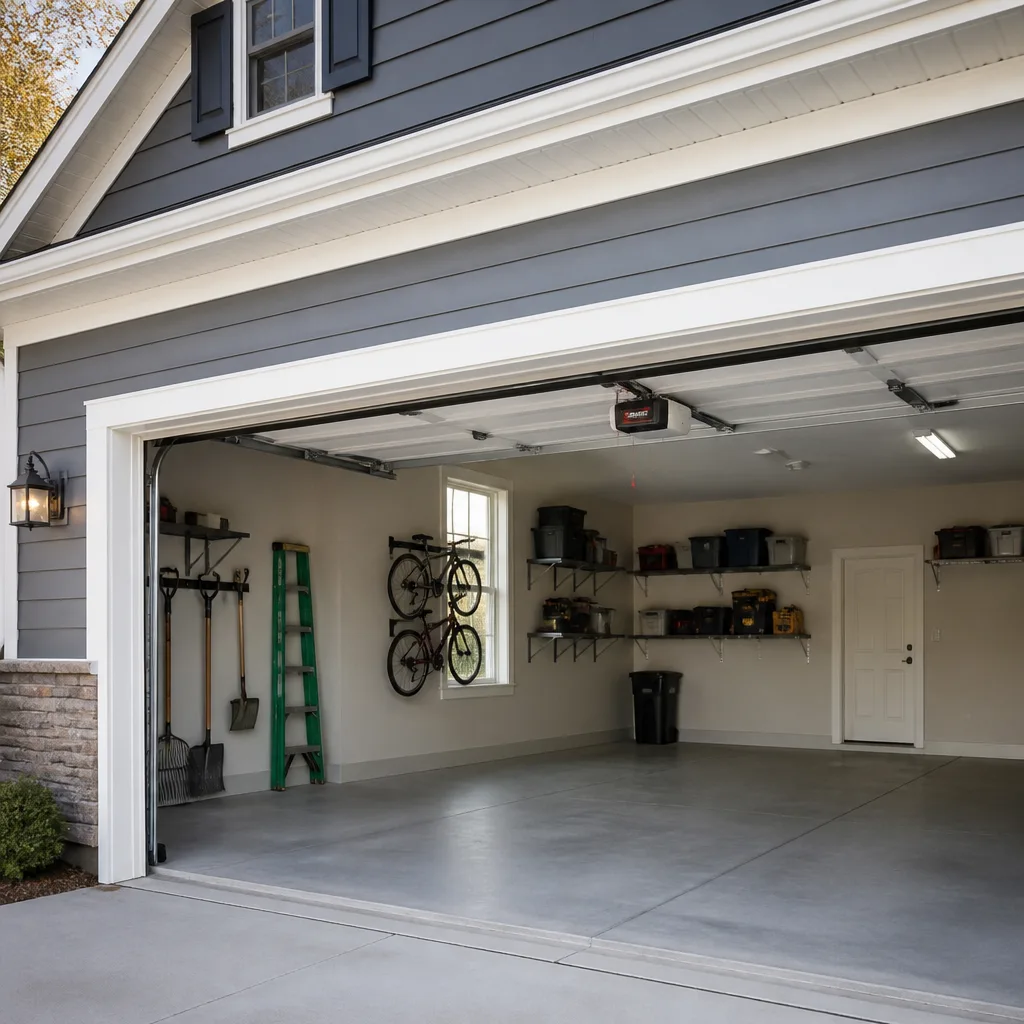 LiftMaster openers
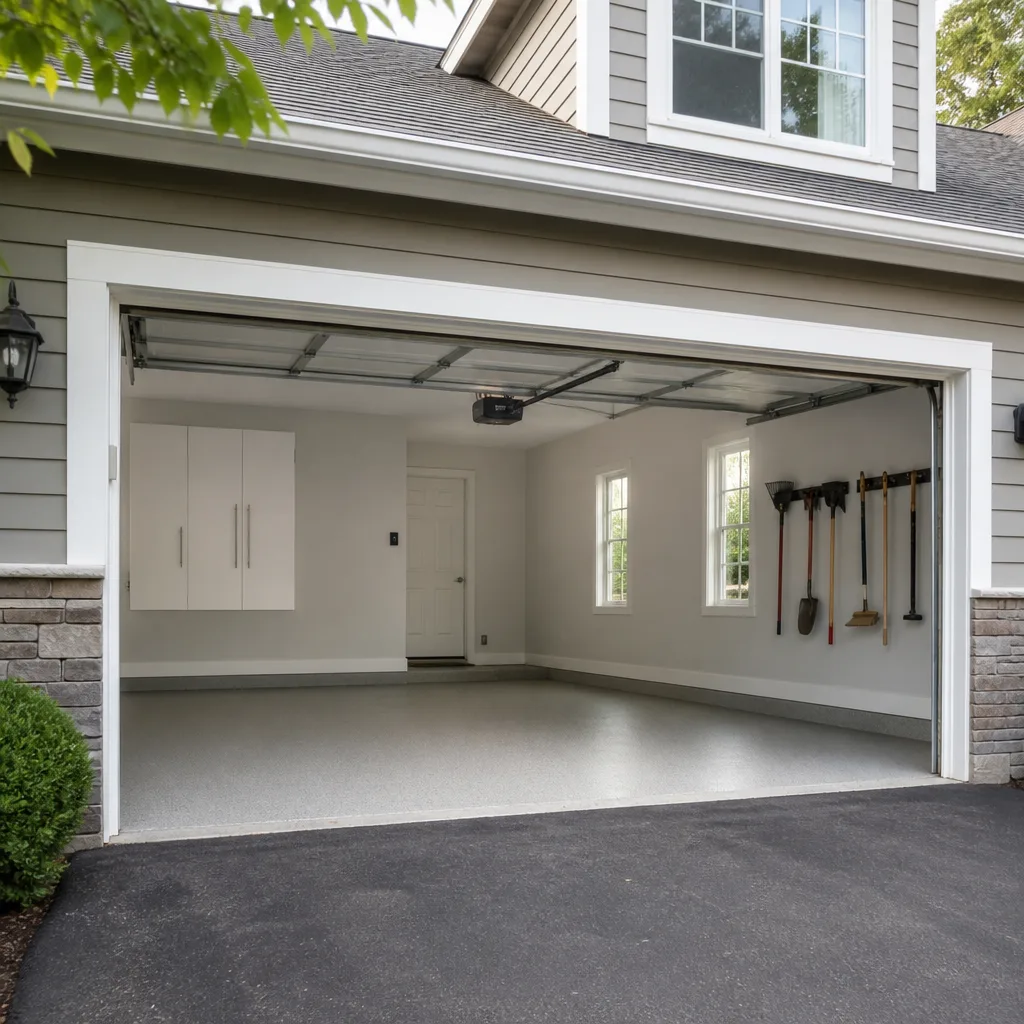 Chamberlain openers
Full 25-point door and opener safety check with every visit - springs, cables, rollers, tracks, and your LiftMaster or Chamberlain opener included
You get a price before we start. It does not change when the truck arrives.
Get your free estimateChoosing the Right Garage Door Brand: A Buyer’s Guide for San Leandro
Most homeowners start their garage door search by Googling “best garage door brand” and end up with a list of logos, not a decision that matters. That’s backwards. A premium garage door brand with no authorized service dealer in Alameda County means your warranty claim requires shipping components from a regional depot, a process that averages 8 to 12 business days and leaves your door non-functional in the interim. In San Leandro, the right brand is the one with parts on local shelves, a service network that actually answers, and materials that hold up to Bay Area weather cycles. This guide walks through what actually separates brands from one another so you can choose based on what happens after the install, not just during it.
Quick Answer
The best garage door brand in San Leandro is the one with authorized service coverage and stocked parts within Alameda County, not the one with the most recognizable name. For most San Leandro homes, Clopay and Amarr offer the strongest combination of local parts availability, material performance in a marine-adjacent climate, and warranty support. Pair either with a LiftMaster, Chamberlain, or Genie opener, and you have a system that any competent garage door specialist can service without depot-order delays.
Styles & brands we work with
- Raised-panel steel
- Carriage house
- Modern flush
- Full-view glass
- LiftMaster openers
- Chamberlain openers
Table of Contents
- Brand-by-Brand Service Network: Who Has Parts in Alameda County
- Material Performance in a Marine-Adjacent Climate
- The Door Brand and Opener Brand Compatibility Matrix
- Warranty Fine Print: What Lifetime Actually Covers by Brand
- Mid-Tier vs. Premium: Where Spending More Buys Longevity in San Leandro
- Common Mistakes to Avoid
- When to Call a Professional
- Frequently Asked Questions
Brand-by-Brand Service Network: Who Has Parts in Alameda County
Here’s the truth that brand websites won’t tell you: a garage door is only as good as the parts supply chain behind it. When a spring breaks or a panel gets dented, you’re not waiting on a factory. You’re waiting on whatever distribution channel feeds the Bay Area. In San Leandro, that separates brands into two clear tiers. Clopay and Amarr maintain robust West Coast distribution with parts stocking at multiple Bay Area supply houses. A replacement section or hardware kit for these brands typically reaches Alameda County within 2 to 4 business days. Wayne Dalton runs a leaner network, which means some components route through regional hubs first. That’s not a dealbreaker, but it changes the math if you prize uptime.
What we tell homeowners during an estimate: ask the brand question in reverse. Instead of “which brand is best,” ask “which brands can be serviced without shipping parts from out of state.” At Crestview Garage Door Repair, our diagnostic approach is brand-agnostic because we’re trained across competing manufacturer systems. We work on the brand you already have. That matters in a city like San Leandro, where housing stock ranges from 1950s track homes near Washington Manor to newer builds in the Estudillo Estates and Broadmoor neighborhoods. Different eras, different door brands, different parts realities.
The practical takeaway: if you’re installing new and want the shortest parts timeline, Clopay and Amarr are the safest bets for San Leandro homeowners. If you’re repairing an existing door, brand matters less than the diagnosing technician’s familiarity with that manufacturer’s hardware. A specialist who works across eight major brands sees the common failure points in each and carries what’s needed to address them on the first visit.
Material Performance in a Marine-Adjacent Climate
San Leandro sits in what climate folks call a marine-influenced zone. That means morning fog off the bay, afternoon sun, and air that carries more moisture than inland communities like Livermore or Dublin. Over five years, that combination does measurable things to garage door materials. Steel gauge matters here. A 24-gauge steel door and a 27-gauge steel door might look identical on a showroom wall, but the thinner material flexes more in wind and dents easier when a bike handle connects. For San Leandro homes, 25-gauge or thicker is the sensible floor. Clopay’s premium lines use 24-gauge steel as standard on higher tiers, while Amarr’s mid and upper offerings hold similar thickness without moving into commercial pricing.
Finish type is the second variable. Polyurethane-backed insulation performs better than polystyrene in the damp, cool mornings we get along the East Bay flats. The denser foam also deadens street noise, which matters on busier corridors like East 14th or Davis Street. Weatherstripping is the third piece. The bottom seal takes the abuse in any marine-adjacent climate, and manufacturers that use dual-durometer vinyl hold their shape longer than single-density rubber. We notice the difference in doors that face west: those get the afternoon sun after a foggy morning, and the temperature swing stresses cheap seals.
Paint and coating systems are the final material consideration. Powder-coat finishes resist the salt-laden air better than liquid paint. If you’re comparing brands, ask whether the door uses a baked-on polyester or powder coat. Clopay and Amarr both specify powder or thermoset finishes on their higher lines. Wayne Dalton’s mid-tier options include factory-primed steel that a qualified installer can finish, but that finish quality ends up depending on the painter, not the factory.
The Door Brand and Opener Brand Compatibility Matrix
Homeowners think of the door and the opener as one thing. They’re two systems that need to speak the same language. The door has a weight, a balance profile, and spring tension. The opener has a travel range, a force setting, and a mounting geometry. Get the pairing wrong and you end up with a door that struggles, an opener that burns out early, or a safety system that won’t hold program. In San Leandro, where half the homes we visit are running openers from a different decade than their doors, this mismatch is a common source of “my door won’t close” calls.
The good news is that opener compatibility is largely solved across major manufacturers. LiftMaster, Chamberlain, and Genie each produce units designed to work with any properly balanced residential door up to a weight threshold. LiftMaster’s chain-drive openers remain the workhorse for heavier composite and steel doors, while Chamberlain’s belt-drive models suit attached garages where noise travels into living space. Genie’s screw and belt lines hold up fine on standard aluminum and steel systems. What matters more than the door-opener brand pairing is that whoever installs them knows how to set the force limits, travel stops, and safety sensor alignment to manufacturer spec.
Our opener expertise spans those three smart-home-compatible platforms, so the recommendation always starts with what’s already installed and how the homeowner uses the garage. Someone who uses the garage as the primary entry point every day has different needs than someone who opens it once a month. If you’re in the market for a combined door and opener system, Clopay and Amarr doors both pair cleanly with LiftMaster and Chamberlain units, and that’s the configuration we recommend most often on new installs in San Leandro.
Warranty Fine Print: What Lifetime Actually Covers by Brand
“Lifetime warranty” is the most misunderstood phrase in the garage door industry. It does not mean the door lasts forever. It means the manufacturer will replace a covered component if it fails under normal use, provided the door was installed by a qualified professional and maintained according to their schedule. The fine print separates brands quickly. Clopay’s lifetime warranty on premium lines covers the door sections against rust-through and cracking, but the hardware (springs, hinges, rollers) falls under a shorter parts warranty, typically 1 to 3 years depending on the line. Amarr’s coverage is similar on their higher tiers, with the same carve-out for wear components. Wayne Dalton’s standard residential warranty runs more conservative terms on steel and hardware, which is worth reading closely before committing.
For San Leandro homeowners, the practical warranty question is this: if a section fails, who pays for the replacement and how fast does it arrive? The answer usually depends on whether you purchased through an authorized dealer. Here’s the step-by-step reality of a warranty claim:
- You contact the installing dealer with the issue.
- The dealer inspects, documents, and files the claim with the manufacturer.
- The manufacturer approves the claim and ships replacement components from the nearest depot.
- If parts are stocked regionally (Clopay and Amarr West Coast depots), the component lands in Alameda County within days.
- If parts require factory order (some Wayne Dalton and specialty Clopay lines), expect 8 to 12 business days before the door is functional again.
- Labor costs for warranty replacement are often not covered. Read the installer’s scope.
One caveat that voids coverage faster than anything: lubrication neglect and improper spring adjustment by someone unfamiliar with that brand. The manufacturer specifies a lubrication schedule and requires torsion spring work be done by a trained professional. We have seen warranty claims denied because a previous repair used mismatched hardware from a competing system. When we handle garage door repair on a warrantied door, we match the hardware to the original manufacturer’s spec, which keeps the coverage intact.
Mid-Tier vs. Premium: Where Spending More Buys Longevity in San Leandro
There is a point of diminishing returns in every garage door price curve, and in San Leandro it lands somewhere around the $2,000 to $3,500 range for a standard two-car door, installed. Below that, you’re trading material for price. Above it, you’re often paying for glass inserts, wood-look texture, or smart features rather than mechanical longevity. Here’s where the money actually goes.
Spending more on steel gauge and insulation buys measurable longevity. A 24-gauge, polyurethane-insulated door from Clopay or Amarr will outlast an entry-level 27-gauge, polystyrene door in this climate by a meaningful margin. The denser insulation doesn’t just resist dents. It holds the door’s shape and keeps the panel seams tight through seasonal humidity swings. That’s why we tell San Leandro homeowners to spend at the mid-tier or higher if the garage faces the street, the west sun, or a heavily used driveway.
Spending more on aesthetics buys aesthetics, not longevity. Wood-look finishes, carriage-house styling, and decorative hardware are all legitimate choices, but they don’t change the mechanical lifespan. If budget is tight, put the money into gauge and insulation first, then choose the best-looking door in that class. The same logic applies to openers. A $250 belt-drive Chamberlain and a $500 smart-enabled LiftMaster both open the door reliably. The premium buys you battery backup, camera integration, and quieter operation. Choose based on whether you need those features, not because the brand name suggests better engineering.
Our single-trade focus means every technician at Crestview Garage Door Repair is a garage door specialist, not someone doing doors between HVAC calls. That matters when you’re choosing between brands, because the installer’s calibration matters as much as the factory’s stamp. A well-installed mid-tier door outlasts a poorly installed premium one every time.
Common Mistakes to Avoid
- Choosing the brand before the installer. The best door in the catalog performs poorly if installed without proper balance and travel calibration. Vet the installer first, then pick from brands they’re authorized to service in Alameda County.
- Assuming all lifetime warranties are equal. Read what’s covered, what’s excluded, and what the claim process looks like before paying extra for a premium line. In San Leandro, parts availability matters more than warranty language.
- Ignoring the opener ecosystem. A door brand and opener brand are separate systems. Buying a door without confirming your existing opener’s compatibility (or budgeting for a matched opener) leads to frustration and possible motor strain.
- Choosing steel gauge by price alone. Thinner steel dents easier and flexes in the wind. For a marine-adjacent climate, 25-gauge or thicker is worth the differential. You’ll recover it in fewer dent-related repairs over the door’s life.
- Skipping the insulation question. Even in a mild climate, a polyurethane-insulated door runs quieter and holds shape better than a polystyrene or non-insulated unit. Attached garages especially benefit from the noise dampening.
- Buying from a catalog without local service coverage. If the brand has no authorized dealer serving San Leandro, every future issue involves depot shipping delays and fight over who pays for labor. Confirm local service before signing.
- Mixing hardware between brands on repairs. We’ve seen doors with mismatched hinges, springs, and brackets after years of patchwork service. It shortens component life and voids warranties. Keep the system matched, or let a specialist source the correct hardware.
When to Call a Professional
A garage door is a 300-pound moving part under tension. When it’s not working right, the failure mode is rarely cosmetic. Call a garage door specialist when the door won’t open or close, when it moves unevenly, when you hear grinding or popping from the spring assembly, or when a panel is visibly cracked or dented through the steel. These are not problems that resolve themselves. Garage door opener repair follows the same rule: if the motor runs but the door won’t move, or the door reverses on its own, something in the drive or safety system needs diagnosis. Crestview Garage Door Repair offers free estimates in San Leandro. Call (855) 356-4591 and we’ll tell you whether repair or replace actually makes sense.
Frequently Asked Questions
For most San Leandro homes, Clopay and Amarr offer the best mix of local parts availability, material performance in a marine-adjacent climate, and warranty support. The right brand also depends on whether you’re repairing an existing door or installing new, and which opener you’re pairing with it.
Clopay and Amarr maintain West Coast distribution with parts stocking at multiple Bay Area supply houses, which means replacement components typically reach San Leandro in 2 to 4 business days. Wayne Dalton’s network is leaner and may route components through regional hubs first. If uptime matters, ask about parts lead times before choosing.
No. Door brands and opener brands are independent systems, and most major openers (LiftMaster, Chamberlain, Genie) work with doors from Clopay, Amarr, Wayne Dalton, and Raynor. What matters is proper installation: force settings, travel stops, and spring tension all need to be calibrated to the door’s weight and balance profile.
A lifetime warranty on a garage door covers the door sections against rust-through and cracking under normal use, not the hardware. Springs, hinges, and rollers typically carry a 1 to 3 year parts warranty, and labor for warranty replacement is usually not included. Coverage also assumes professional installation and a maintenance schedule.
For a standard two-car door, the sensible range is $2,000 to $3,500 installed, with the money going to steel gauge, insulation density, and finish quality rather than decorative upgrades. Spending below that range buys thinner material and weaker seals. Spending above it typically buys aesthetics and smart features, not mechanical longevity.
Yes. We work on eight major brands across door and opener systems, so our recommendation is driven by what’s actually failing, not by what parts happen to be in stock. Call (855) 356-4591 for a free estimate. We answer 24/7. Fast dispatch from 7am to 7pm, Sunday through Friday.
The Bottom Line
Choosing a garage door brand in San Leandro is a supply-chain and materials decision as much as a style decision. Clopay and Amarr lead for Alameda County parts availability and marine-climate performance. Mid-tier steel with polyurethane insulation delivers the longevity most homeowners need without paying for features that only add aesthetics. The opener pairs independently, and LiftMaster, Chamberlain, and Genie all handle the common door weights in this market. Most importantly, choose an installer before you choose a brand. A garage door specialist who works across manufacturer systems can tell you when repair beats replacement and which brand makes sense for your actual situation. For help with San Leandro garage door decisions, call Crestview Garage Door Repair at (855) 356-4591 for a free estimate.
Written by the team at Crestview Garage Door Repair, serving San Leandro since 2014.
See the difference
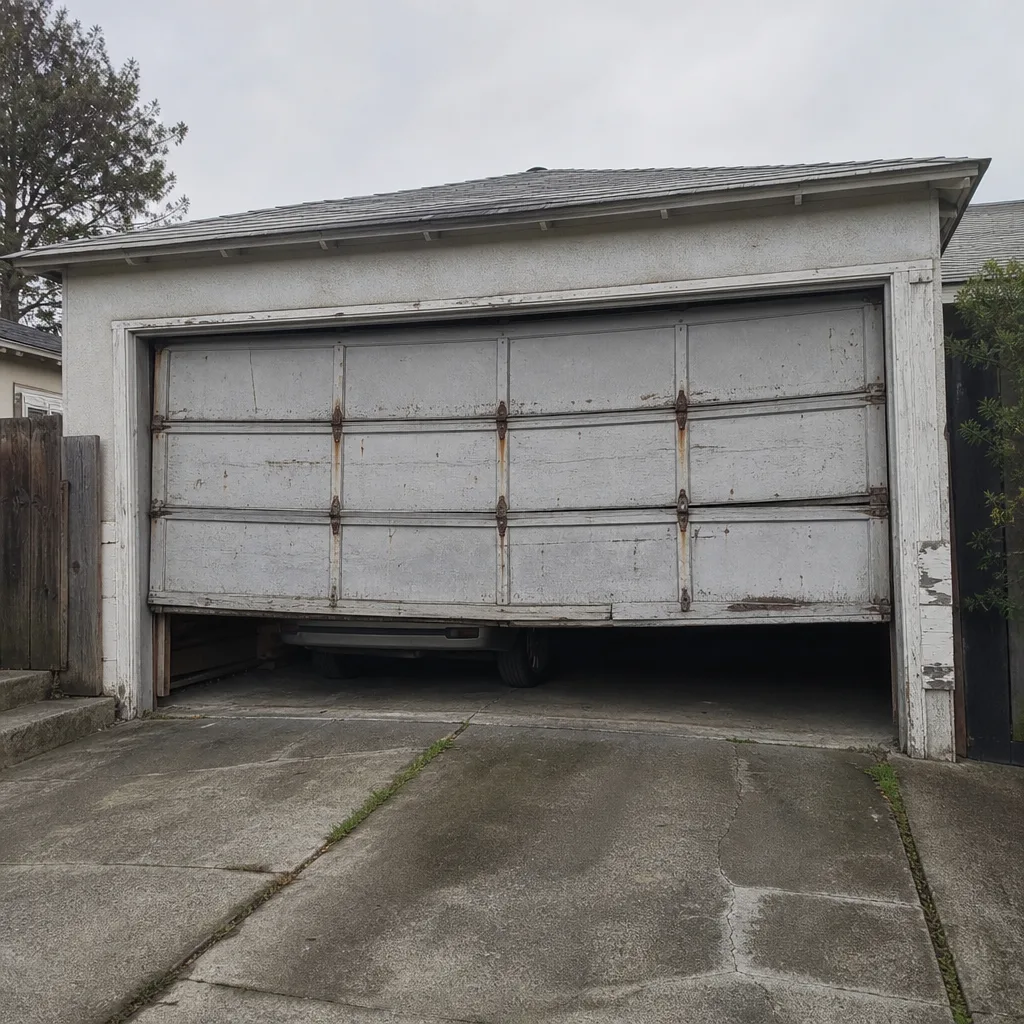 Before
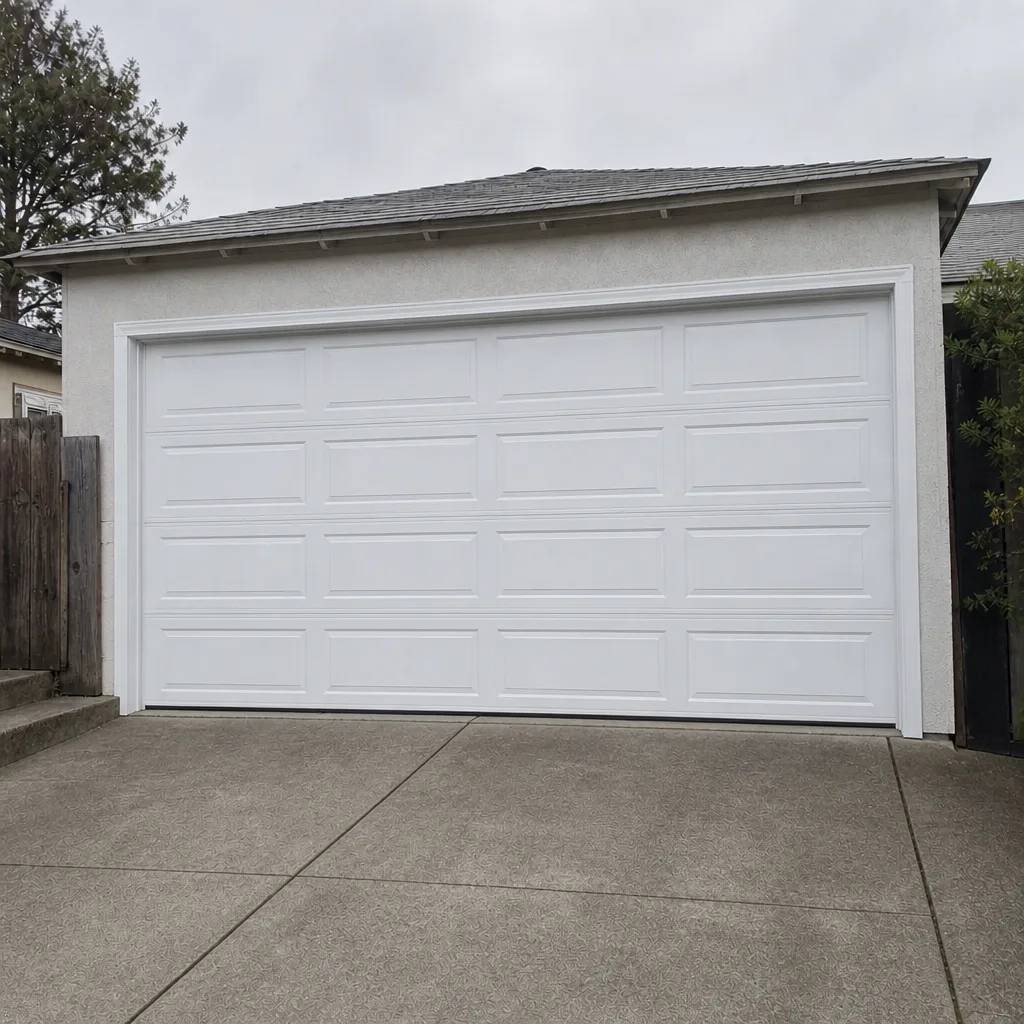 After
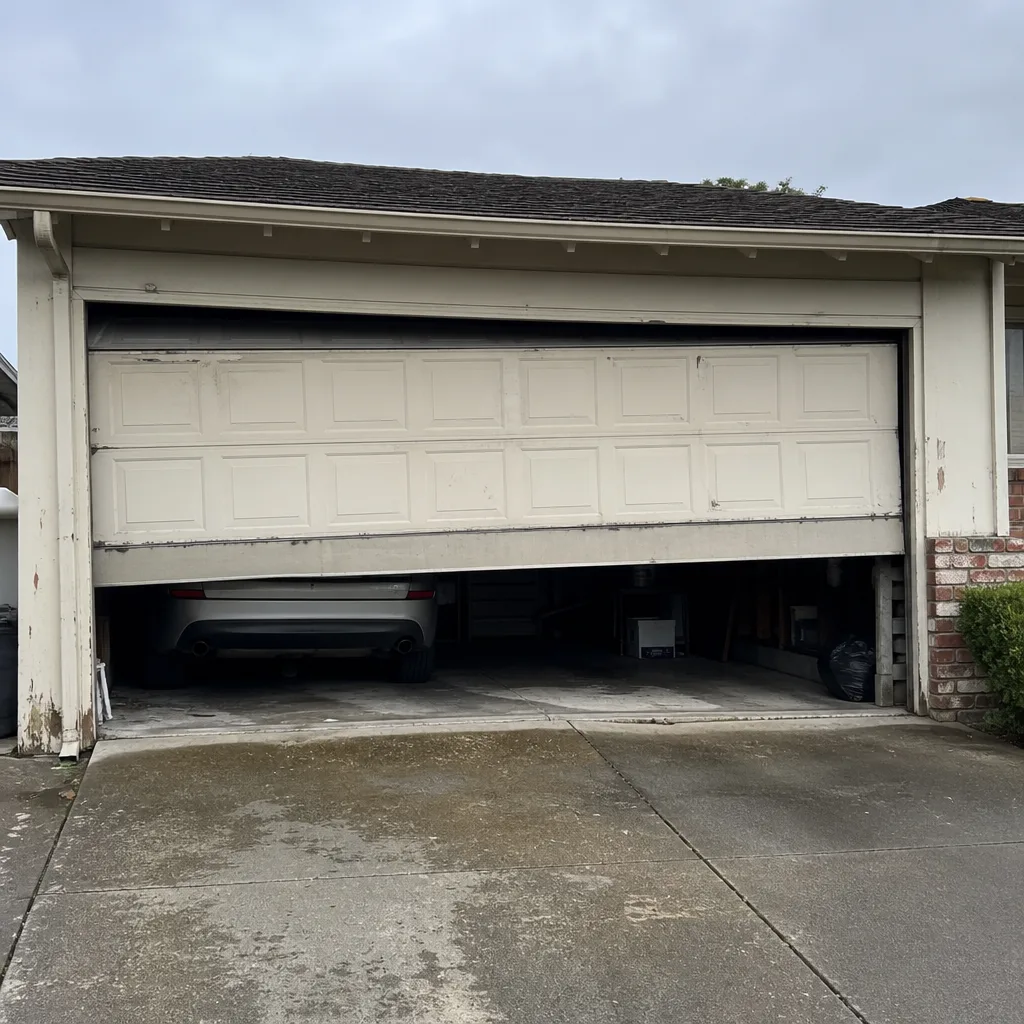 Before
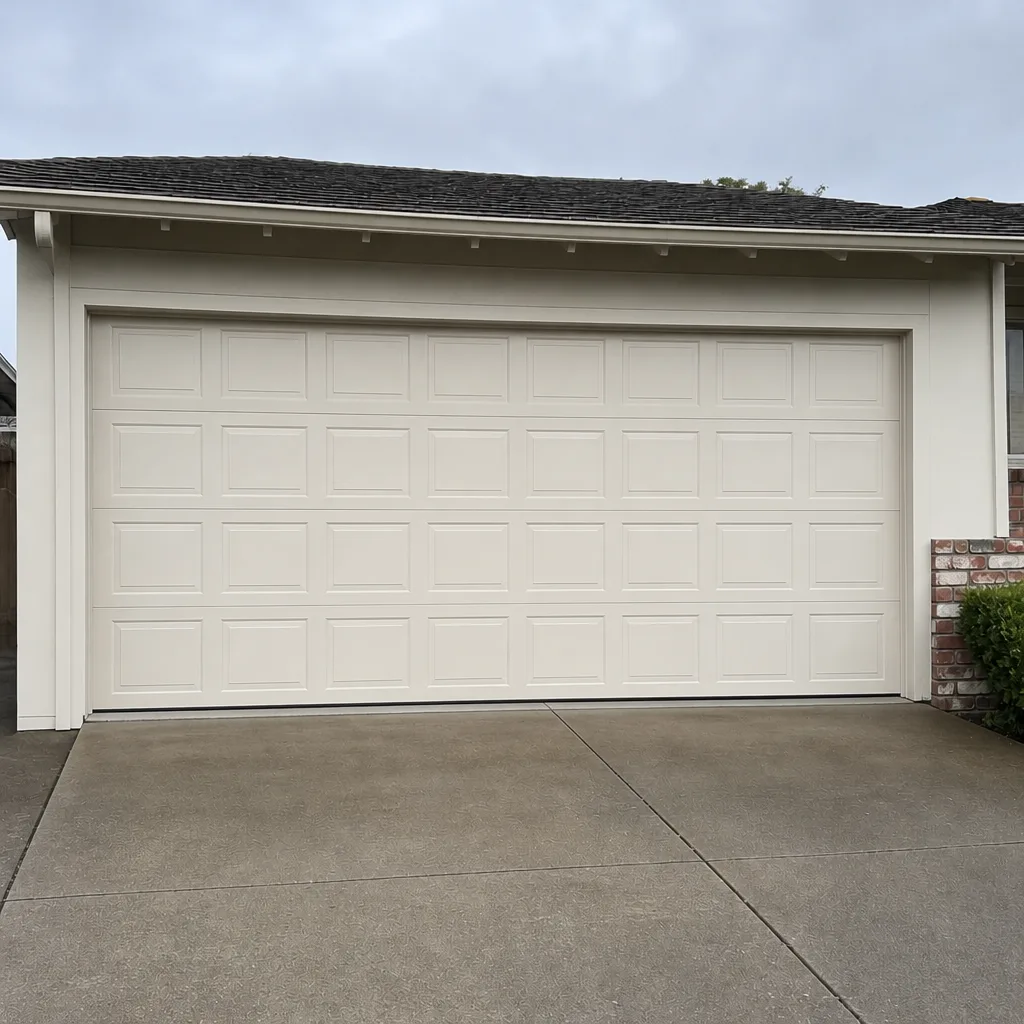 After
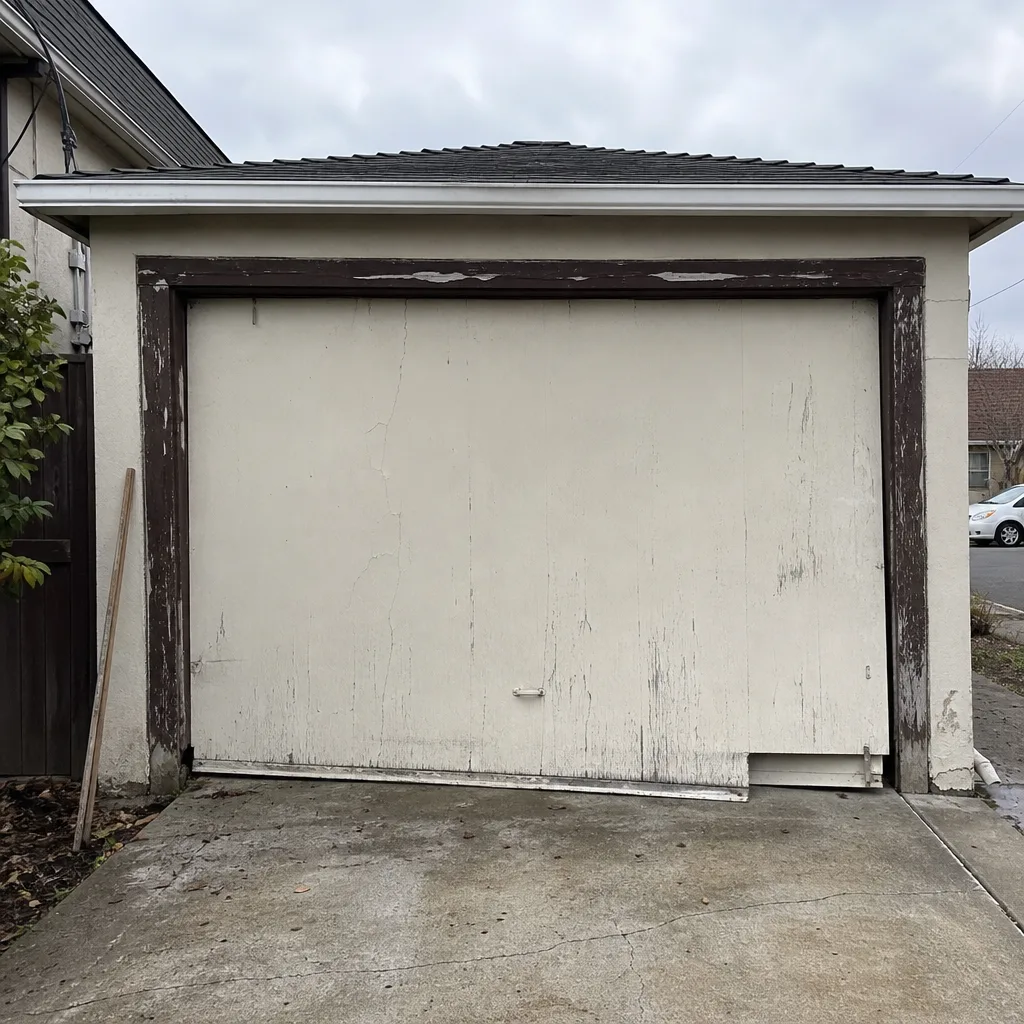 Before
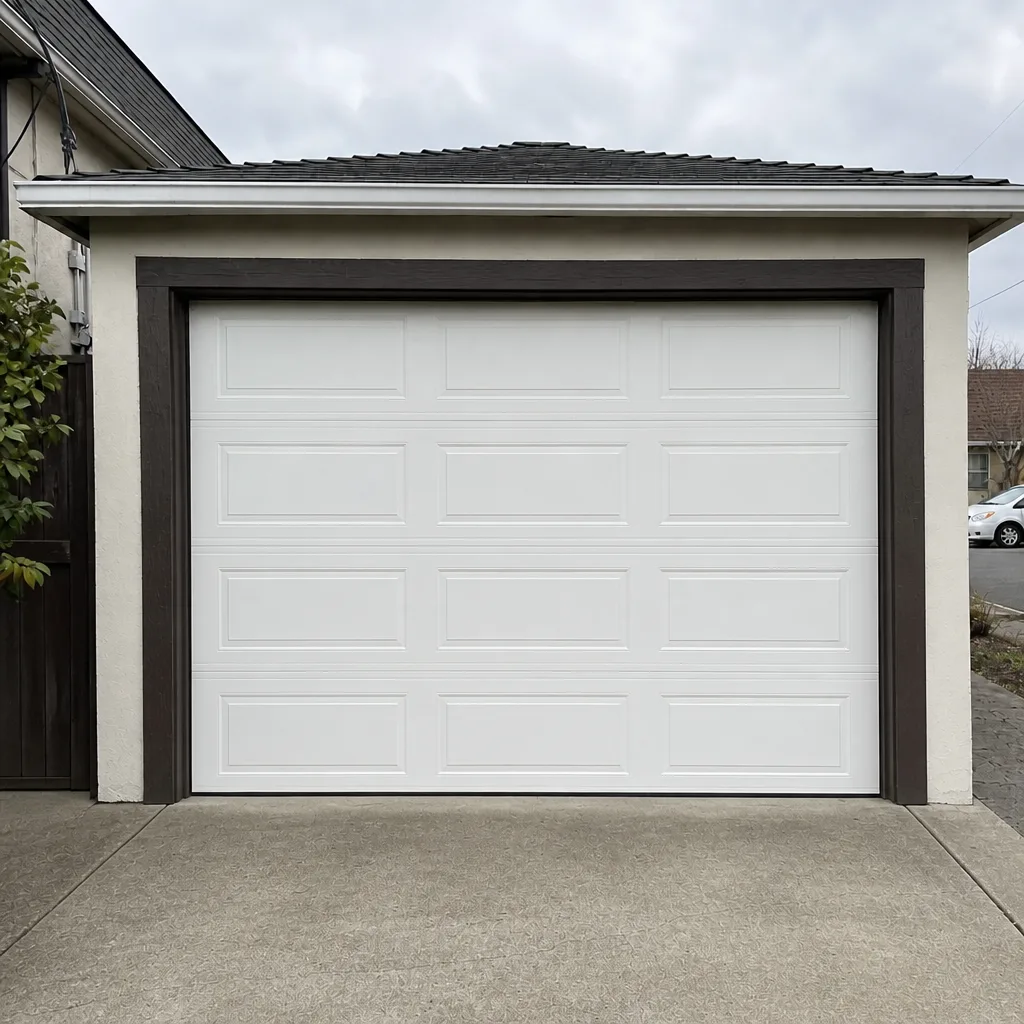 After