
Last updated November 4, 2026
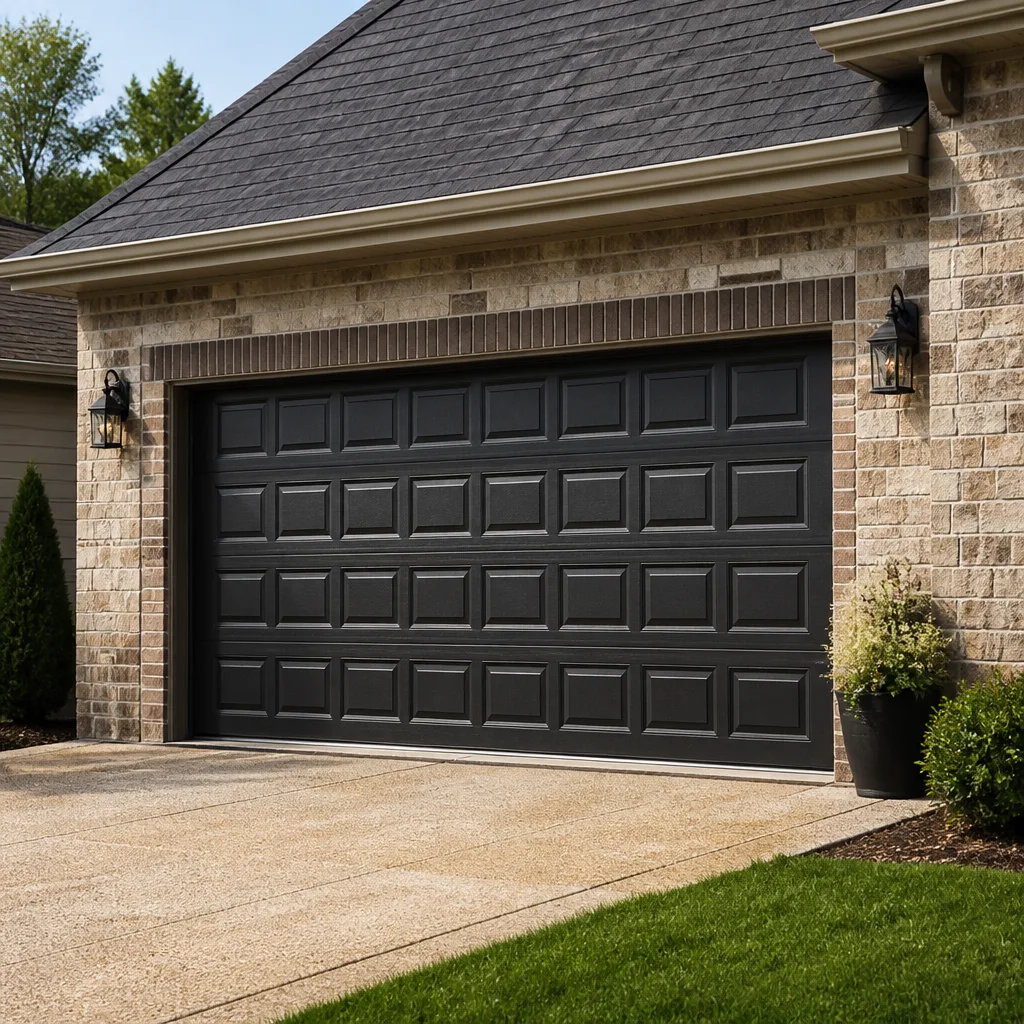 Raised-panel steel
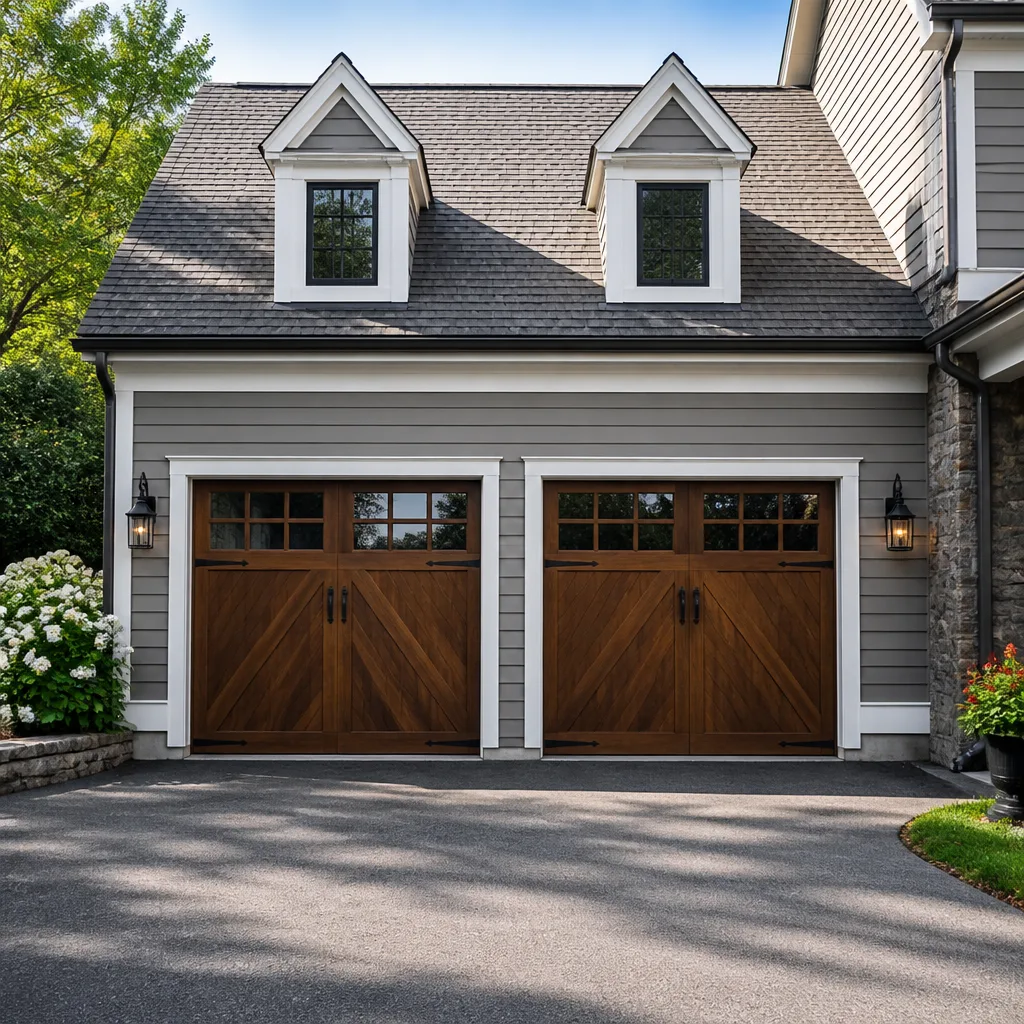 Carriage house
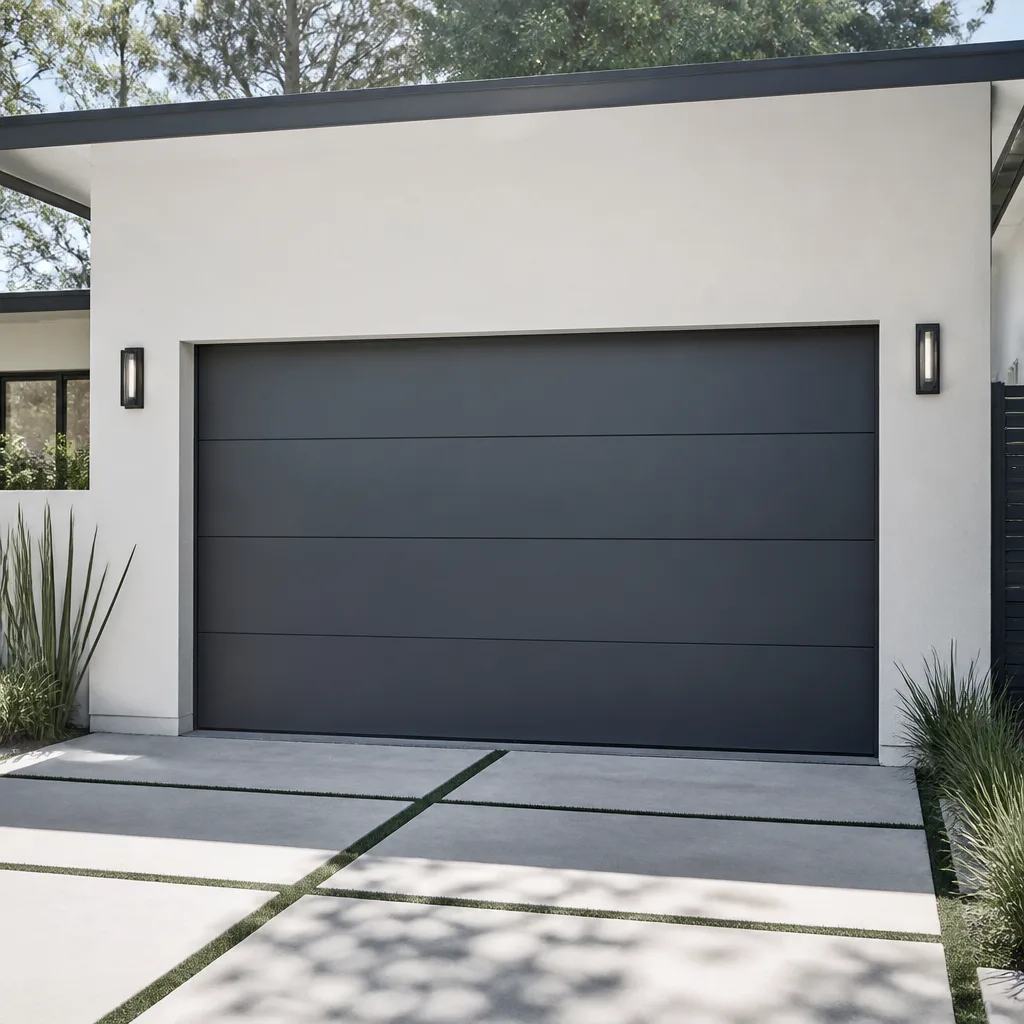 Modern flush
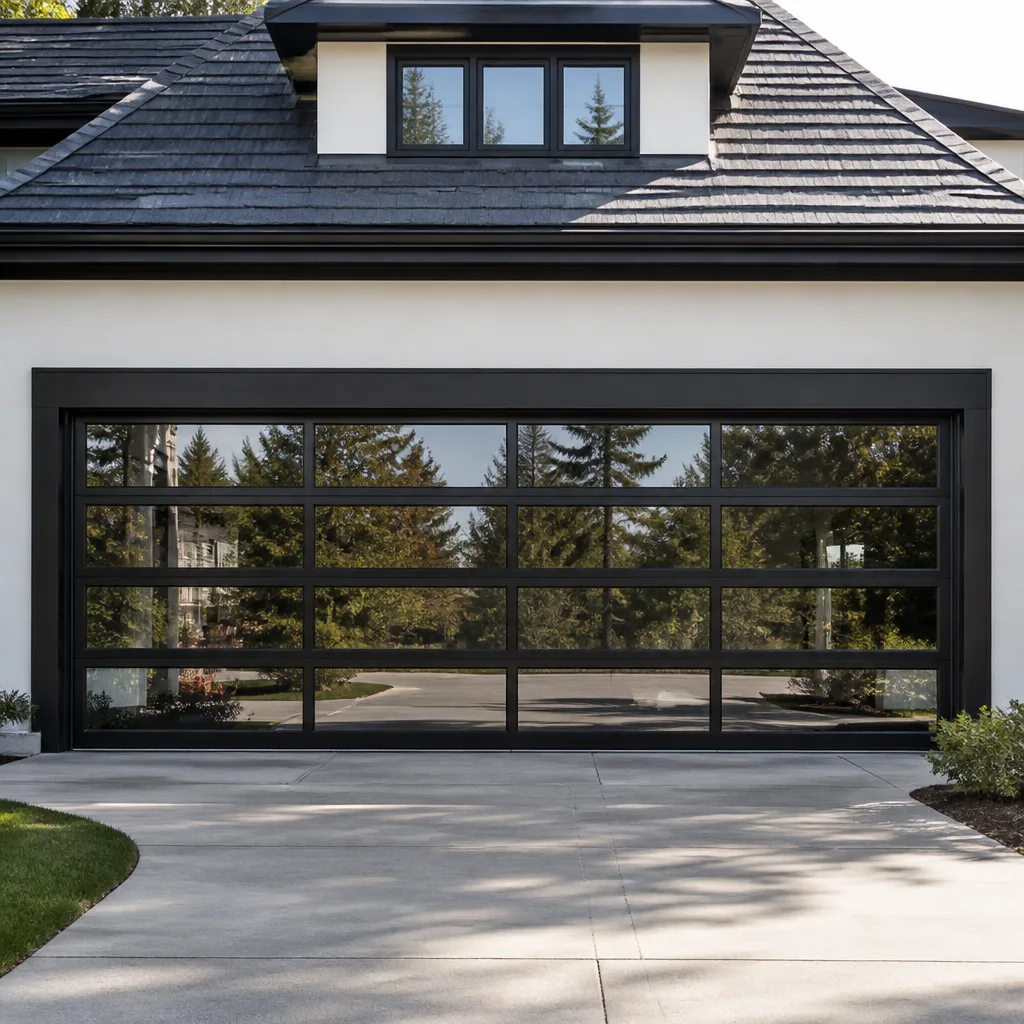 Full-view glass
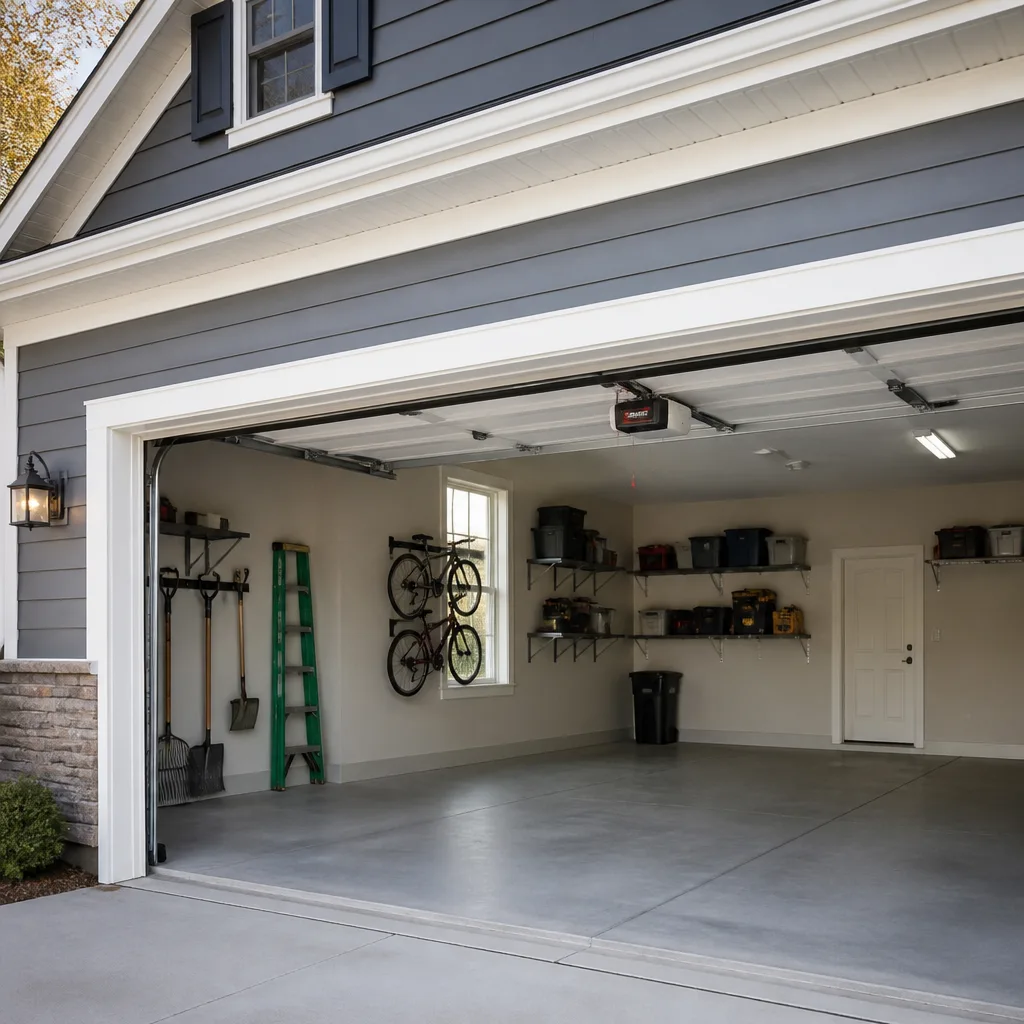 LiftMaster openers
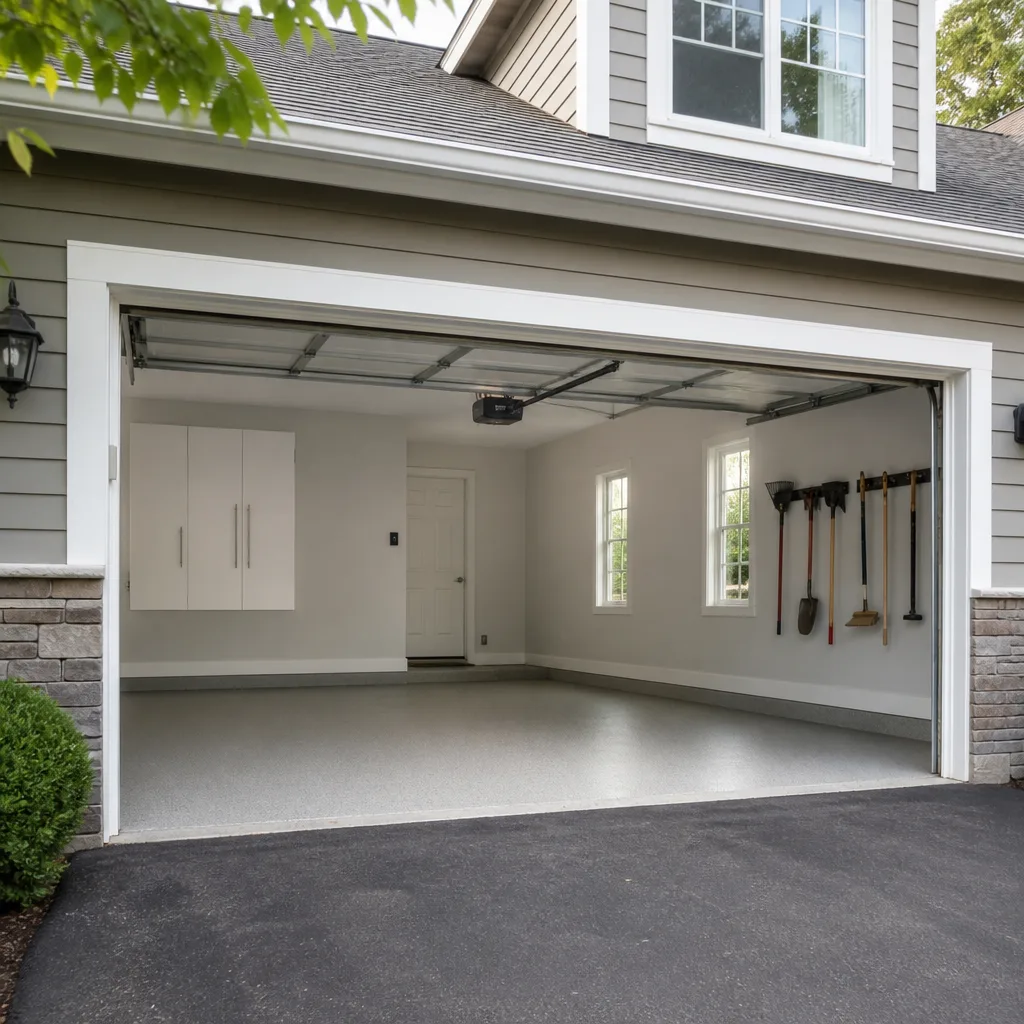 Chamberlain openers
Full 25-point door and opener safety check with every visit - springs, cables, rollers, tracks, and your LiftMaster or Chamberlain opener included
You get a price before we start. It does not change when the truck arrives.
Get your free estimateSeasonal Garage Door Care for San Leandro: Year-Round Homeowner’s Guide
Most homeowners in San Leandro think garage door maintenance is a once-a-year task. They’re wrong. The city’s climate creates two distinct stress periods that wear on different components: a wet, oxidizing winter that works on your cables, bottom seals, and exposed steel, and a dry, hot late-summer wind season that shifts the temper of your springs and pulls your tracks out of alignment. If your maintenance schedule treats every month the same, you’re leaving measurable component life on the table. This guide lays out exactly what to check, when to check it, and what passes versus what fails, month by month, for the specific conditions we see across San Leandro.
Styles & brands we work with
- Raised-panel steel
- Carriage house
- Modern flush
- Full-view glass
- LiftMaster openers
- Chamberlain openers
Quick Answer
Seasonal garage door care in San Leandro comes down to two focused service windows: a spring prep after the wet season to address oxidation and seal wear from winter rain, and a September re-balance after the late-summer Diablo wind heat causes thermal expansion in springs, tracks, and cables. In between, monthly visual checks on cables, rollers, and the auto-reverse function catch small problems before they become spring or opener failures. The full task calendar below gives you specific pass/fail criteria for every month of the year.
Table of Contents
- Why San Leandro’s Maintenance Schedule Differs From Everywhere Else
- What You Can Safely Check Yourself vs. What Needs a Pro
- Spring and Early-Summer Prep: The Post-Wet-Season Inspection
- Late Summer and Diablo Wind Season: Thermal Expansion and Track Alignment
- Wet Season Entry (November): Weather Seals and Sandy Soil
- Year-Round Fog Cycling: How Panels React Differently by Material
- Monthly Task Calendar With Pass/Fail Criteria
- Common Mistakes to Avoid
- When to Call a Professional
- Frequently Asked Questions
- The Bottom Line
Why San Leandro’s Maintenance Schedule Differs From Everywhere Else
San Leandro sits in a climate pocket that doesn’t behave like the rest of the Bay Area. Winters are mild by any national standard, but the city gets enough rain between November and March to keep exposed garage door hardware wet for weeks at a time. That wetness isn’t the problem in itself. The problem is what happens when it stops: the moisture evaporates, but the oxidation it started keeps working on steel cables, bottom brackets, and uncoated spring coils.
Then comes the flip side. Late August and September bring Diablo wind events that push inland temperatures well above what the city’s baseline climate would suggest. When temperatures climb past 90°F, the steel in torsion springs expands. Spring tension changes measurably. A door that was perfectly balanced in May can be noticeably heavy by mid-September, not because the spring is failing, but because the metal itself has responded to the heat. That’s not a theoretical concern. We’ve seen it in doors across San Leandro neighborhoods from Bay-O-Vista to Washington Manor, and it’s why we recommend a fall balance check even if nothing appears wrong.
Your garage door is a 300-pound moving part. It operates on springs, cables, tracks, and rollers that each respond to moisture and temperature in different ways. A maintenance schedule that ignores those two distinct stress periods is doing half the job.
For any garage door repair that goes beyond what you can safely inspect yourself, it’s worth having a technician who understands the local climate, not just a generic checklist.
What You Can Safely Check Yourself vs. What Needs a Pro
Before we get into the calendar, let’s be clear about where the line is. Torsion springs on a garage door are under enough tension to cause serious injury if they let go while you’re working near them. The same applies to the cables that run alongside them. When we say “check” a spring or cable, we mean look at it. Do not touch it, adjust it, or attempt to lubricate a torsion spring while it’s under load. If a visual check turns up something wrong, a trained professional should handle the fix.
What you can safely check yourself:
- Visual condition of cables, springs, rollers, and tracks from a standing position
- Door balance using the manual release handle (pull the red cord, lift the door halfway, and let go; it should stay put)
- Weather seal condition along the bottom edge and side jambs
- Auto-reverse function using a solid object like a 2×4 laid flat under the door’s path
- Track alignment by eye, looking for gaps between rollers and track walls
- Opener force settings and safety sensor alignment
What should always go to a trained technician:
- Any adjustment, replacement, or lubrication of torsion springs under tension
- Cable replacement or re-seating on a drum that has slipped
- Track re-alignment that requires loosening mounting bolts
- Opener motor or logic board diagnosis when the unit won’t respond
- Panel damage from impact or material fatigue
Crestview Garage Door Repair is a dedicated single-trade specialist, and we work on the brand you already have, whether it’s a Genie opener or a Clopay door.
Spring and Early-Summer Prep: The Post-Wet-Season Inspection
By April, the rain has stopped in San Leandro, and the ground has started to dry out. That’s the moment to look closely at what the wet season left behind. The first place to check is the lower cable sections. Winter moisture wicks into cable sheathing where the cable meets the bottom bracket, and the repeated wet-dry cycling weakens the outer strands. Look for any dark discoloration, rust powder, or individual wire strands beginning to separate. If the cable is shiny and the strands lie flat, it passes. If you see powder or fraying, replace it before summer heat adds thermal stress on top of material fatigue.
One simple step we see skipped often: a balance check on a door that’s been cycling through damp conditions. Cold, wet weather doesn’t change spring tension much in San Leandro, but spring coils that sat in humid conditions without movement will benefit from a quarterly cycle test. Pull the manual release and open and close the door by hand once or twice. It should move smoothly, not bind, not feel unusually heavy.
Spring prep checklist:
- Open the door fully and photograph the cables at the bottom bracket. Compare the current condition against your last inspection.
- Run your hand along the bottom weather seal (with the door fully open). Look for pinches, tears, or areas where the seal has twisted out of its channel.
- Pull the manual release. Lift the door by hand to the half-open position and release. A passing door holds position. A failing door sinks or slams.
- Check all roller wheels for side-to-side play. A roller that moves more than a 1/4 inch in its track slot is wearing out.
- Inspect the opener rail for dry grease accumulation. Farside buildup on older LiftMaster chain-drives gets noisy and slows response time.
If any step of this check fails, garage door opener repair or a door-side fix may be needed. The goal is to catch wear in the temperate spring window, not let it compound into a harder problem during the late-summer heat.
Late Summer and Diablo Wind Season: Thermal Expansion and Track Alignment
Here’s the part most San Leandro homeowners don’t know: the steel in your garage door springs has a temper. When the late-summer Diablo winds push temperatures past 90°F, that temper responds. The spring’s coils expand slightly, which reduces its effective tension at a microscopic level, but enough to register. A door that was balanced at 70°F in May can be heavy by September. You won’t hear it. You’ll feel it: the door moves slower, the opener’s motor strains more, and the auto-reverse may trigger more often because the door’s weight exceeds what the opener’s force setting expects.
September is the right month for a re-balance. Even if the door has been fine all summer, the thermal expansion from the Diablo events is enough reason to re-test it. Use the same balance test from spring: pull the manual release, lift the door halfway, and let go. If it sinks this time when it held position in May, the spring is not failing. It’s responding to heat. A technician can re-check the spring setting and adjust the opener’s force limits.
What to check in September:
- Door balance with the manual release, using the same pass/fail standard as spring
- Track alignment around the curved section; heat expands the metal enough that the gap between the roller and track can close asymmetrically
- Cable tension on both sides, looking for one side slightly looser than the other at the top of the travel arc
- The bottom seal on a hot day: if it’s pinched underneath the door due to thermal expansion, the seal may be twisted and needs to be reset
- Opener force settings: a door that periodically reverses without an obstruction is often just heavier in the heat
We service doors from Clopay, Amarr, Wayne Dalton, and Raynor, and the same seasonal physics applies across all of them.
Wet Season Entry (November): Weather Seals and Sandy Soil
The first real rain in San Leandro marks the start of a four-to-five-month wet cycle. Your bottom seal is the first line of defense against water intrusion, and the specific challenge here is the soil. San Leandro has Bay-adjacent soil that’s dustier and sandier than the clay-heavy ground found inland. When it rains, that sandy soil splashes up against the bottom seal and grinds into the rubber and vinyl surfaces as the door cycles. The result is accelerated seal wear, not just along the big obvious tears, but along the working edge where the seal meets the concrete.
Inspection protocol for the wet-season entry:
- Open the door fully and wipe the bottom seal clean with a dry cloth. Look for sand embedded in the seal material.
- Close the door and check the contact line from inside the garage. With the light off in the garage and the door closed, daylight should not show through the bottom contact line. If it does, the seal isn’t seating.
- Check the side jambs. San Leandro’s wet-season wind drives rain against the door, not straight down. Side seals that looked fine in September may now be compressed or pulled away.
- Look at the top of the door panel where it meets the header. Warped panels that summer heat has expanded may now be riding differently in the tracks.
- If you have a Genie or Chamberlain opener with a wall control panel, check that the moisture hasn’t affected the safety sensor mounting brackets, which can loosen with humidity changes.
A bottom seal that passes in November will often fail by February if the sand has already started to degrade it. The mid-winter failure is worse, because the replacement means working in the wet, and the door sits open while the seal is swapped. If you’re not sure, have a technician inspect it now.
Year-Round Fog Cycling: How Panels React Differently by Material
San Leandro’s marine layer is a regular part of the microclimate: the morning fog rolls in, and the afternoon sun burns it off. That daily cycling between a damp morning and a warm afternoon affects garage door panels differently depending on what they’re made of. If you have painted steel panels, the paint system is doing most of the protective work, and any scratch or chip that goes down to bare metal will begin to oxidize in the fog cycle. A chip in April can show visible rust by October. Inspect painted steel panels twice a year for chips, and touch them up with a matching paint-specific primer. If you leave a chip exposed through the wet season, the rust will spread under the paint film, and a small touch-up becomes a panel replacement.
Aluminum panels don’t rust the way steel does, but they do pit. The oxidation forms as tiny white or gray pits rather than red rust. It’s a slower process, but it’s also harder to see. Amarr and some Clopay lines use aluminum in premium doors; if the panel feels rough to the touch in a way that doesn’t wipe off, that’s pitting starting.
Fiberglass panels are mostly unaffected by the moisture cycling itself, but they react to the temperature swing. Fiberglass expands and contracts at a slightly different rate than the metal frame around it, and over years, the adhesive between the fiberglass skin and the frame can release. If you have a fiberglass door and you hear a clicking or popping sound when the door moves on a hot afternoon, that’s the panel flexing in its frame. It may not be a failure today, but it’s worth keeping an eye on.
The practical maintenance rule for San Leandro: inspect panel hardware, especially hinges and struts, at least twice a year regardless of panel material. The fog cycling affects the attachment points more than it does the panels themselves, and hinge bolts that have worked loose let the panel flex and chip.
As a Crestview Garage Door Repair technician would tell you: every brand has its weak point, and in this climate, it’s usually around the hinges and the bottom seal, not the panel face.
Monthly Task Calendar With Pass/Fail Criteria
Here’s the same schedule, organized by month, with specific pass/fail criteria for each check. If a check fails, the right move is usually to call a professional. The exception is a manual release that needs re-engagement, which most homeowners can do by pulling the cord toward the opener and letting the door reconnect on its next cycle.
January
- Bottom seal inspection: Pass if the seal sits flat against the ground with no daylight showing. Fail if you can slip a piece of paper under the seal without resistance.
- Safety sensor alignment: Pass if both sensor LEDs are solid when the door is open. Fail if either LED is blinking or off.
February
- Cable inspection: Pass if the cable sheathing is intact with no rust powder and no separated strands. Fail if you see any fraying, even a single strand.
- Door balance (manual release test): Pass if the door holds position at half-open. Fail if it sinks more than 6 inches.
March
- Track alignment: Pass if rollers ride centered in the track with a consistent 1/4-inch gap on both sides. Fail if a roller touches the track wall through any part of the arc.
- Roller condition: Pass if rollers spin without wobble. Fail if any roller shows visible side-to-side play when you push on it with a flat object.
April
- Spring visual check: Pass if torsion spring coils are evenly spaced with no visible gap opening between adjacent coils. Fail if you see a spring with a space between coils.
- Opener force setting test: Pass if the door reverses on contact with a 2×4 laid flat. Fail if the door closes onto and crushes the wood without reversing.
May
- Full balance re-check: Pass if the door holds at half-open and moves smoothly through the top and bottom travel. Fail if it binds anywhere in the arc.
- Lubrication check: Pass if rollers and hinges move without squeaking. Fail if you hear metal-on-metal grinding. Note: do not lubricate springs yourself.
June
- Panel inspection: Pass if all panel surfaces are intact with no chips exposing bare metal. Fail if you find any chip that shows metal underneath.
- Photo eye cleaning: Pass if both sensor lenses are clean and aligned. Fail if one lens is fogged over with road grime or spider webbing.
July
- Opener rail inspection: Pass if the chain or belt moves smoothly without excessive slack (less than 1/2 inch of deflection at the mid-point). Fail if it sags more than that.
- Remote and keypad battery check: Pass if open and close cycles work from both the wall console and a remote. Fail if you have to stand within 5 feet for the remote to register.
August
- Thermal expansion balance check: Pass if the door still holds at half-open during the hottest part of the day. Fail if it sinks, even if it passed in May.
- Track gap test: Pass if roller gaps are consistent at high noon on a hot day. Fail if the gap tightens on one side as the track expands.
September
- Post-Diablo wind inspection: Pass if all track and spring hardware is still tight after high wind events. Fail if you see loose brackets or a spring coil that has shifted.
- Opener force re-check: Pass if the auto-reverse works correctly after the hot season. Fail if the door now reverses without contact.
October
- Weather seal condition (pre-rain): Pass if the bottom seal is pliable and seats fully. Fail if the seal is cracked, flattened, or shows sand abrasion.
- Side seal check: Pass if side seals touch the door face along the full height. Fail if any daylight shows through.
November
- First-rain bottom seal check: Pass if the door closes flush with no water seepage visible on the garage floor after rain. Fail if you see a wet line inside the garage near the door.
- Sensor bracket check: Pass if both safety sensors are solidly mounted. Fail if humidity has loosened a bracket and the sensor wobbles.
December
- Hinge and strut inspection: Pass if all hinges are tight and no panel shows distortion. Fail if a hinge bolt is loose or a panel corner has pulled away from the frame.
- Opener wall console test: Pass if the wall console opens and closes the door on the first press. Fail if it requires multiple presses or the light flickers.
If anything on this calendar fails twice in a row, that’s the door telling you something specific. Don’t ignore it. A cable that fails a visual check in February is a spring that will fail in August. The pattern is predictable once you know what the climate is doing.
Common Mistakes to Avoid
- Skipping the September balance check because “it worked fine in the spring.” Thermal expansion from the Diablo wind season changes spring tension enough to matter. A door that held in May and sinks in September isn’t broken. It’s out of balance, and running it that way shortens the opener’s motor life.
- Lubricating springs on your own. Torsion springs under load are dangerous to work near. When you spray lubricant onto a spring, you’re reaching into the same danger zone as a spring under full tension. A technician can do that safely during a service call.
- Thinking a rusted cable will last one more season. Cable failure is a sudden event. By the time the rust powder is visible, the cable’s tensile strength is already compromised. If it fails while the door is up, the panel drops.
- Ignoring a bottom seal that lets daylight through. A worn bottom seal doesn’t just let in water. It changes how the door sits on the ground, which shifts the load path on the hinges and rollers. A door that’s closing unevenly because of a bad seal is a door that’s wearing out faster.
- Assuming a Genie, Chamberlain, or LiftMaster opener never needs seasonal attention. Opener motors are affected by the same heat and humidity as the door itself. The force setting that works in March may be wrong in September, and the solution isn’t a new opener; it’s a re-set.
- Waiting for a visible problem before calling anyone. The best seasonal maintenance is the maintenance that catches a problem before it creates one. Most of the failures we see in San Leandro come from a chain of small ignored signals, not a single dramatic event.
When to Call a Professional
Call a professional when the problem is in a tension-bearing component. If you find a frayed cable, a spring with an opening between coils, or a track that has pulled away from the wall, do not attempt to fix it yourself. These are systems under high tension, and a mistake can cause serious injury. Also call for an opener that won’t respond to any control input, because opener logic boards and motor capacitors aren’t homeowner-serviceable.
If you have a Wayne Dalton or Raynor door that’s showing strange behavior, the fix is often brand-specific. Our technicians are trained across eight major brands, including Wayne Dalton and Raynor doors as well as Clopay and Amarr, so the diagnostic isn’t limited by what’s on the truck. We can tell you repair or replace, and we’ll tell you which one actually makes sense.
Crestview Garage Door Repair offers free estimates in San Leandro. Call (855) 356-4591. We answer 24/7. Fast dispatch from 7am to 7pm, Sunday through Friday.
Frequently Asked Questions
Twice a year, at the two critical climate transitions: once in April or May after the wet season dries out, and once in September after the Diablo wind heat has passed. A twice-yearly service catches oxidation from the winter and thermal expansion from the summer before either becomes a component failure. Between those visits, the monthly task calendar above covers the basics. Call (855) 356-4591 for a free estimate on a seasonal service visit.
Not a different schedule, but you do need to pay more attention to painted steel panels and hinge hardware. The daily fog-to-sun cycle in San Leandro creates a wet-dry cycling effect that accelerates oxidation on bare steel. If you find a chip in a painted steel door, touch it up the same month, not next season. Aluminum and fiberglass doors are less affected by the fog itself, but their hinges need the same semi-annual check because the panel materials expand and contract at different rates.
Seasonal maintenance for a garage door in San Leandro typically runs somewhere between $100 and $250 for a full inspection and adjustment, depending on what needs to be lubricated, re-set, or replaced. That’s the range for the labor and basic tune-up. If the inspection turns up a worn part, like a bottom seal or a roller set, the part cost gets added on top, and the written estimate will show that before any work is done. Call (855) 356-4591 for an exact quote; the estimate is free.
Yes, same-day service is available. We answer 24/7, and fast dispatch runs from 7am to 7pm, Sunday through Friday. If you find a problem during your monthly check, call the same day and we can often get a technician to you before the day is out.
Yes. We work on the brand you already have, including Genie, Chamberlain, LiftMaster, and Craftsman openers. Our technicians are trained across the major opener platforms, so an older Genie chain-drive or a newer Chamberlain smart-opener are both within our normal service range. The age of the unit matters less than the diagnosis.
The price is quoted and agreed before any work starts. When we arrive, we inspect the door, then give you a written estimate based on what we find. Nothing is done without your approval, and the written estimate sets the final price for that job. Call (855) 356-4591 for a free estimate.
The Bottom Line
San Leandro’s climate doesn’t punish garage doors in dramatic ways. It wears them down in two quiet, predictable cycles: a wet winter that oxidizes steel and a hot late summer that shifts spring tension. A maintenance schedule that respects those two cycles, with a monthly pass/fail check and a professional tune-up in the spring and fall, will keep a garage door running longer and failing less often than one that just gets fixed when it breaks. If a check turns up something you’re not sure about, call Crestview Garage Door Repair at (855) 356-4591 for a free estimate. The expertise is in knowing what to look for, and when to look for it.
Written by the team at Crestview Garage Door Repair, serving San Leandro since 2014.
See the difference
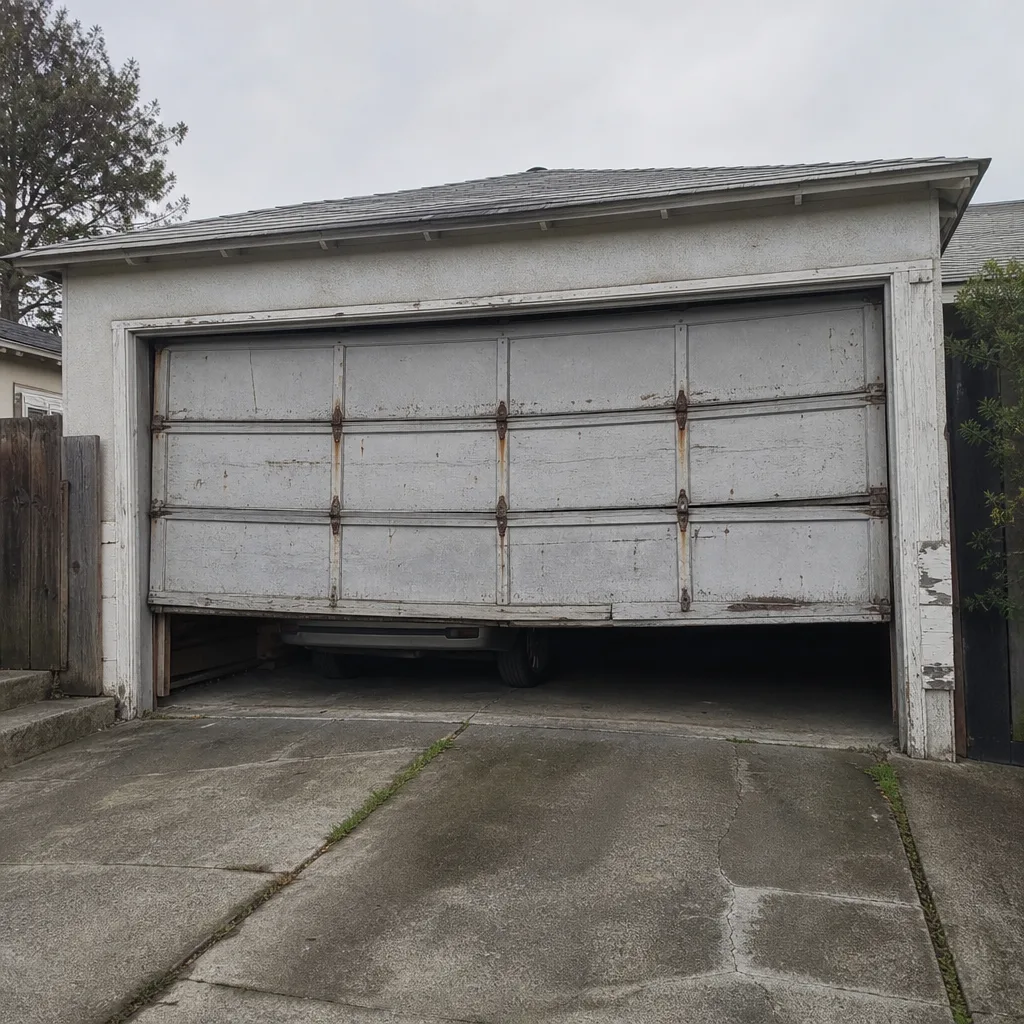 Before
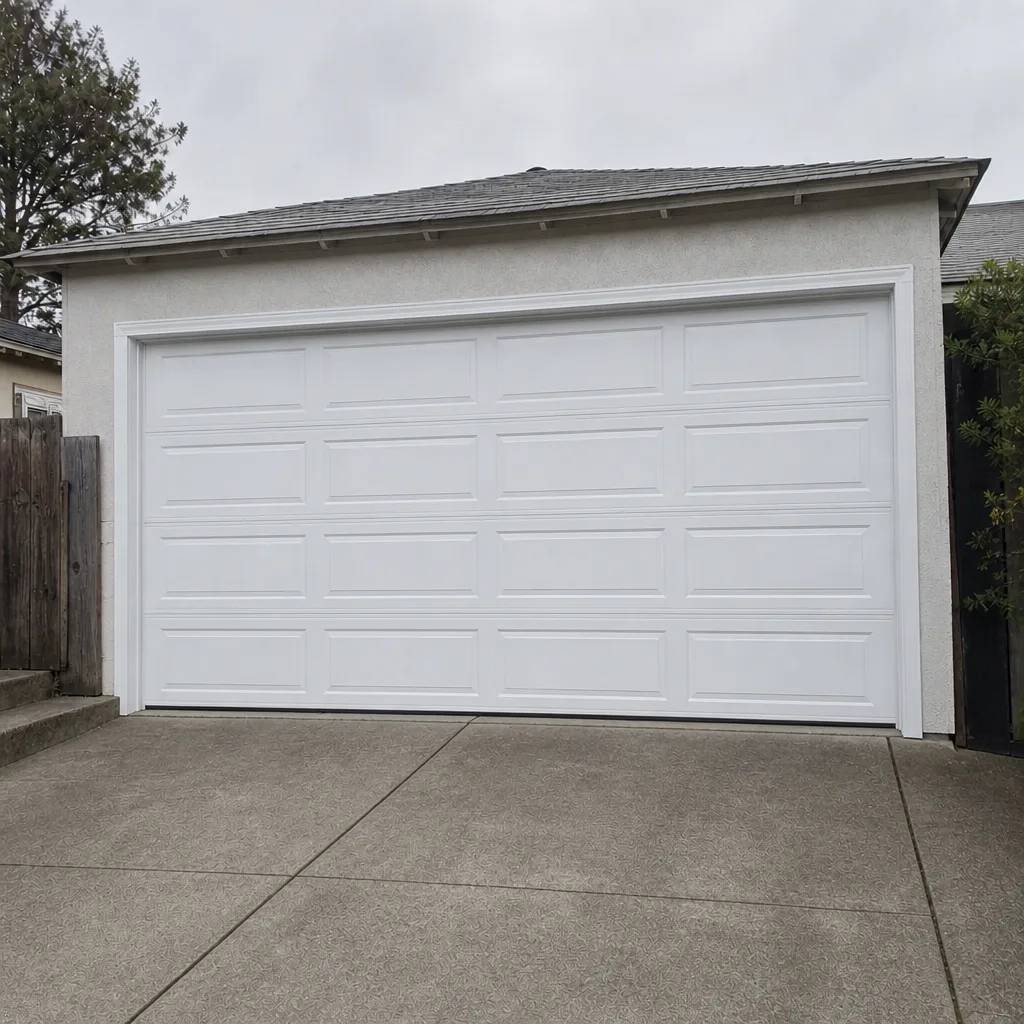 After
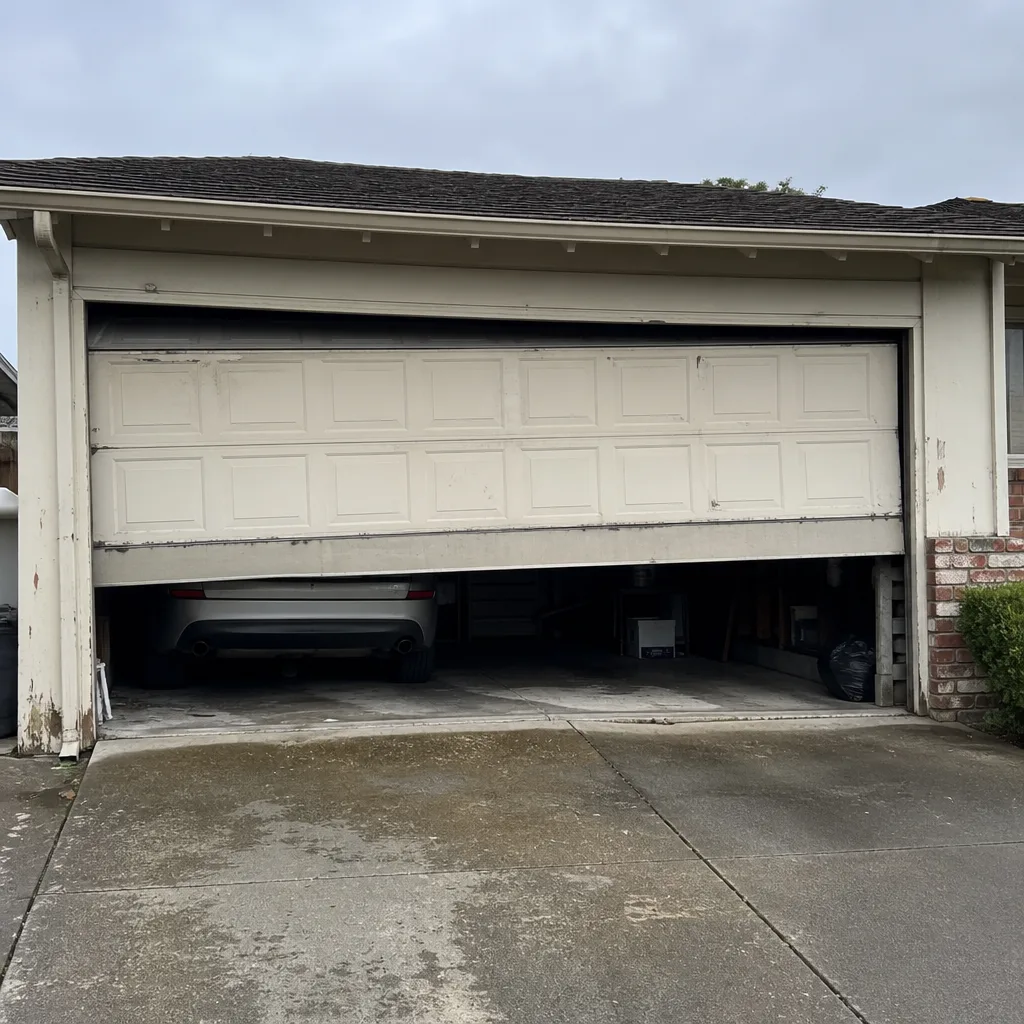 Before
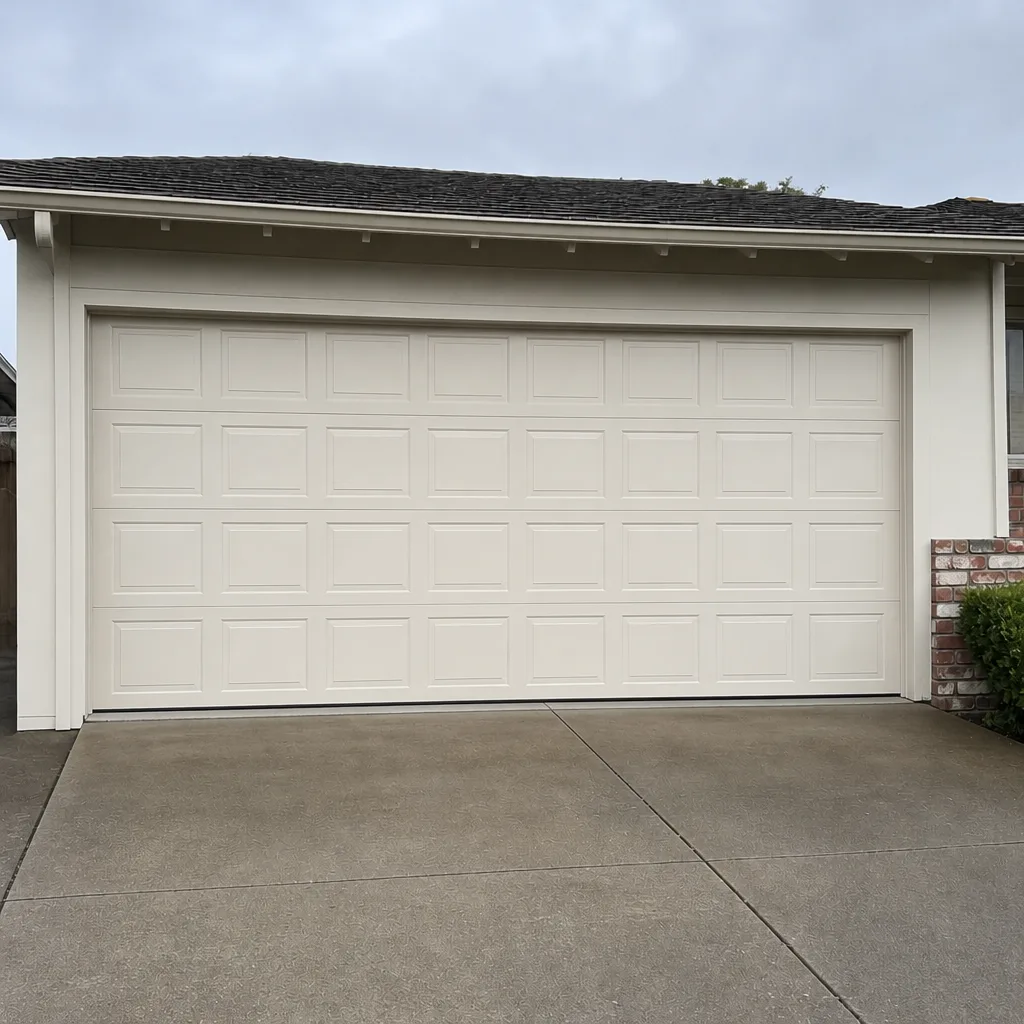 After
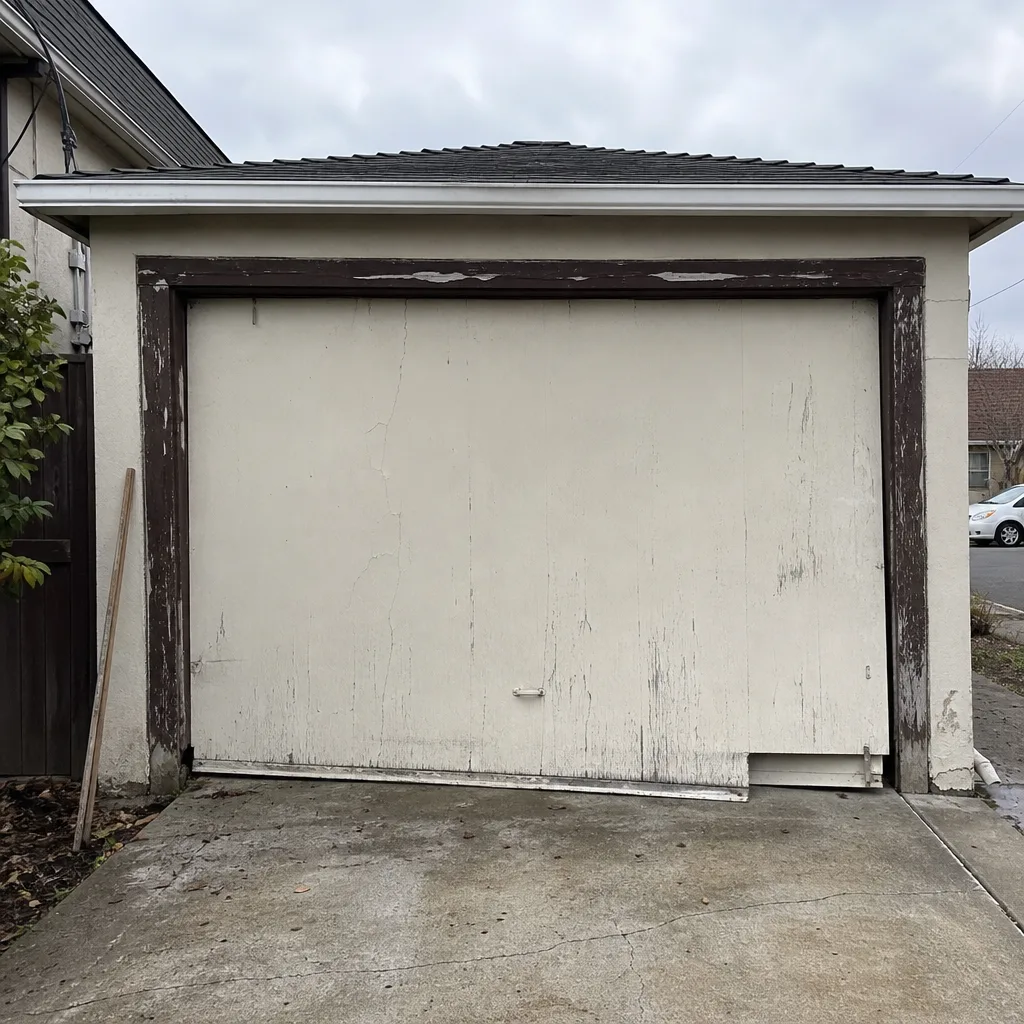 Before
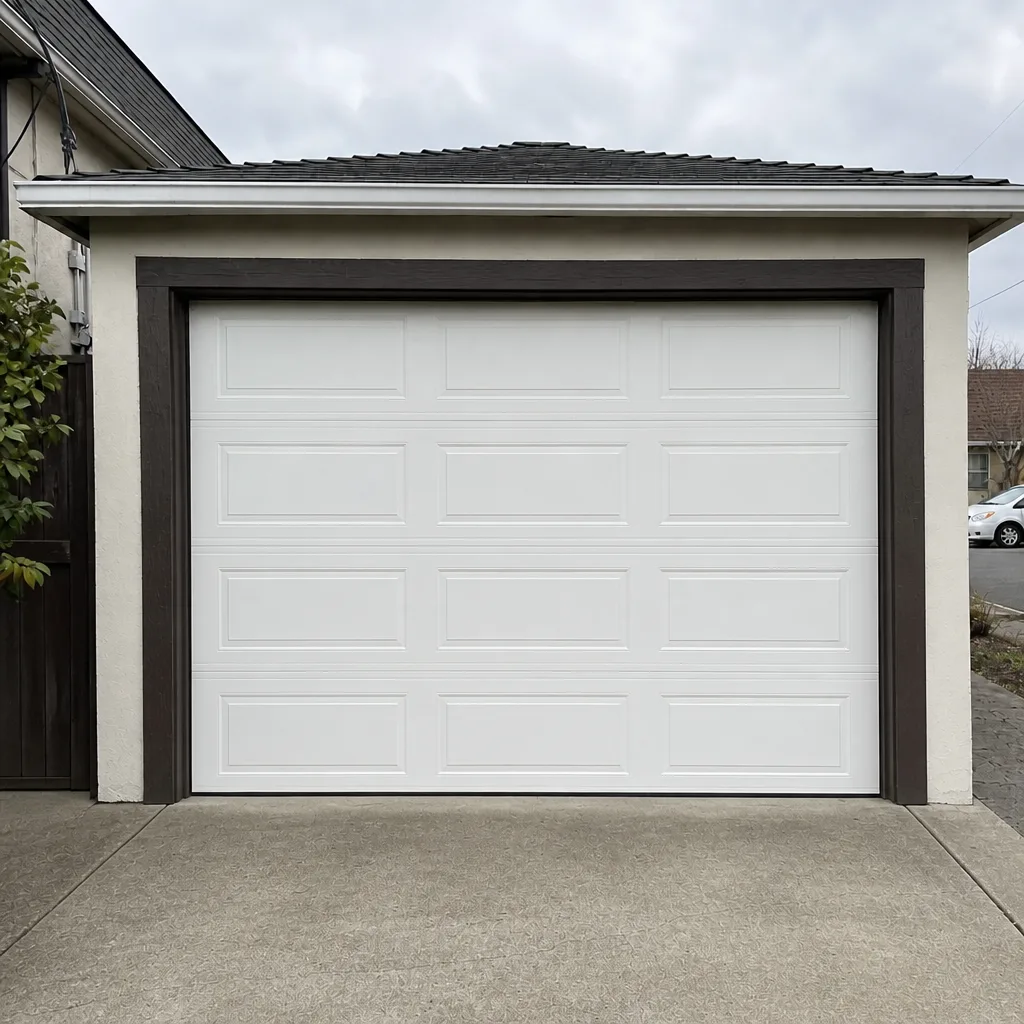 After