
Last updated November 4, 2026
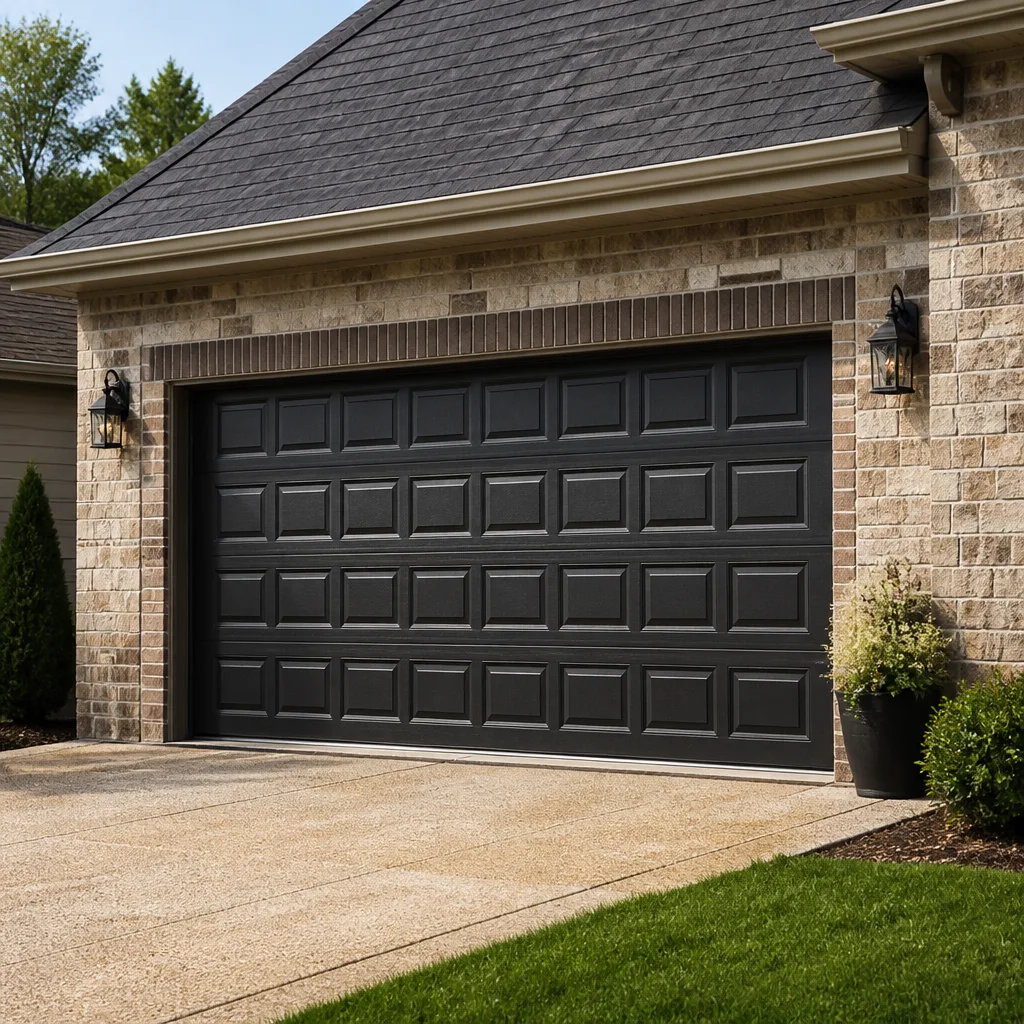 Raised-panel steel
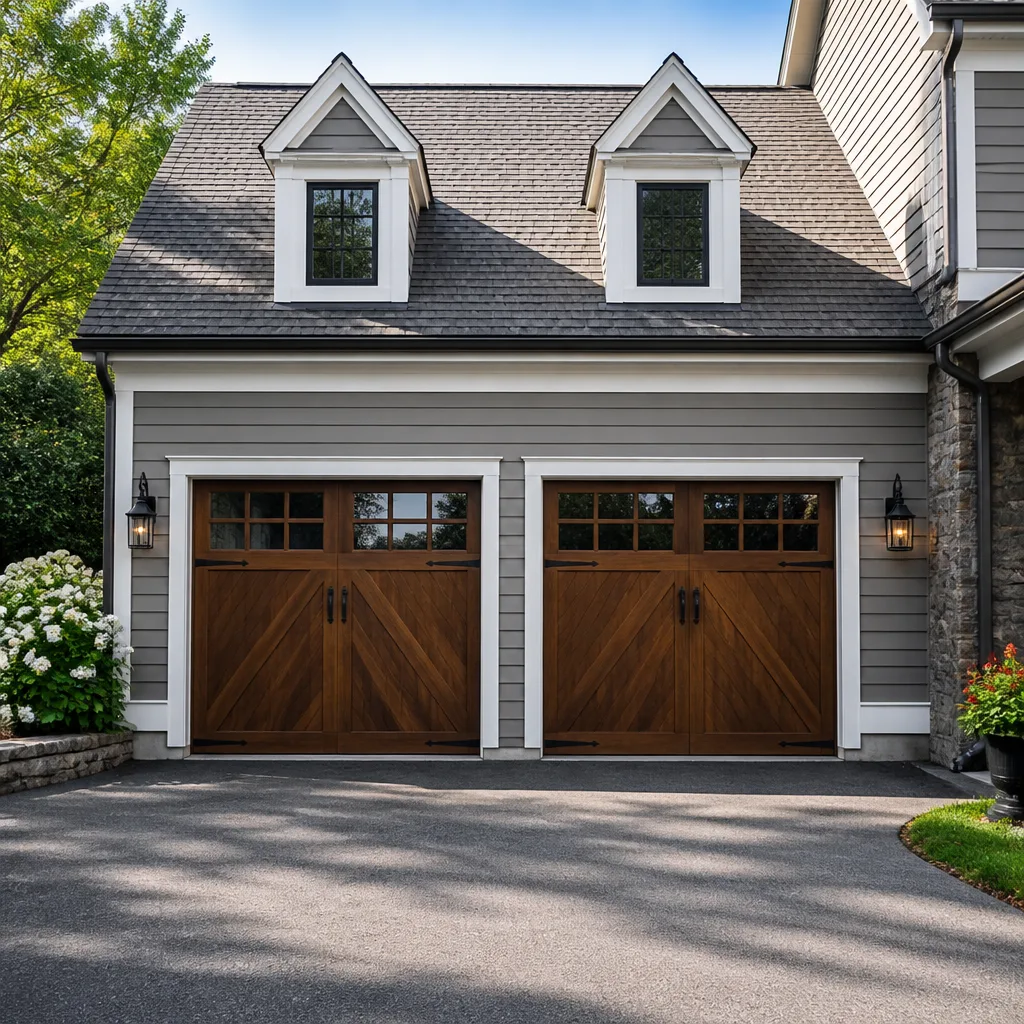 Carriage house
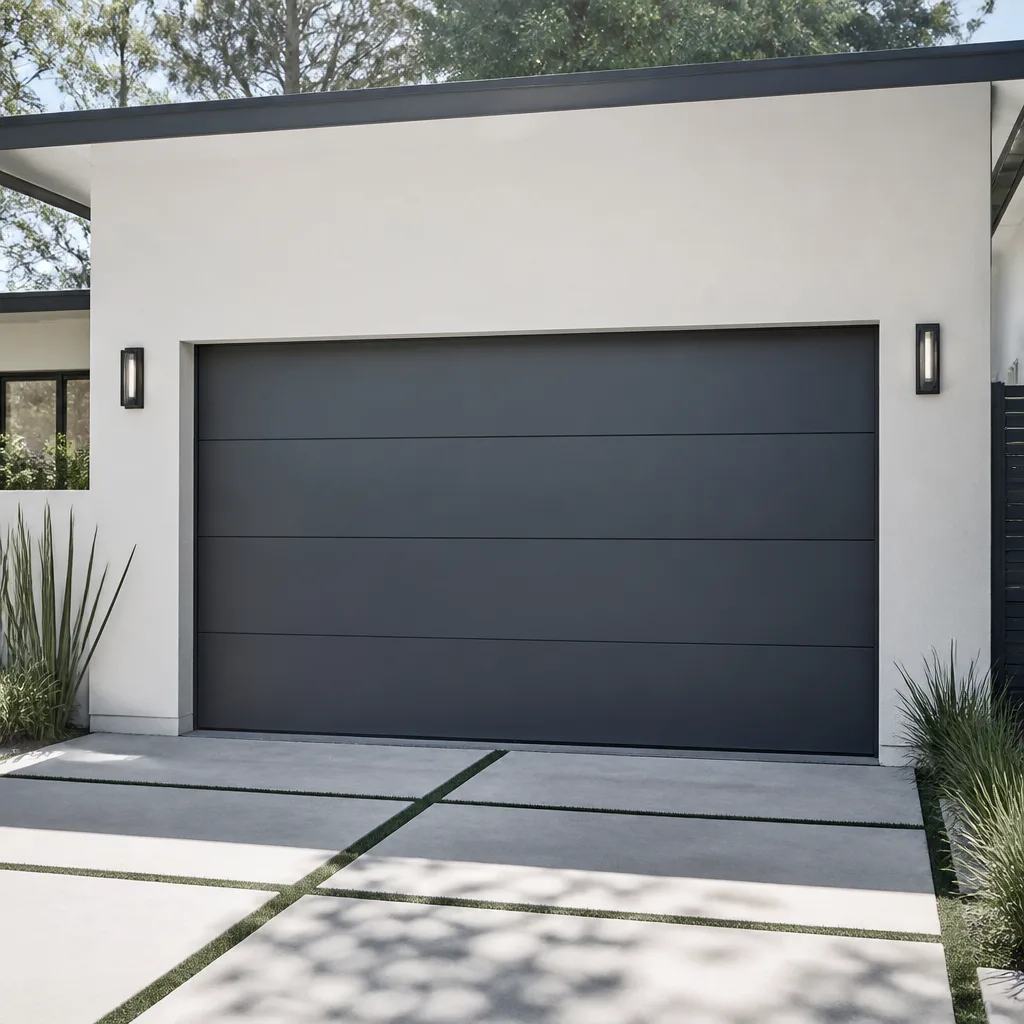 Modern flush
 Full-view glass
 LiftMaster openers
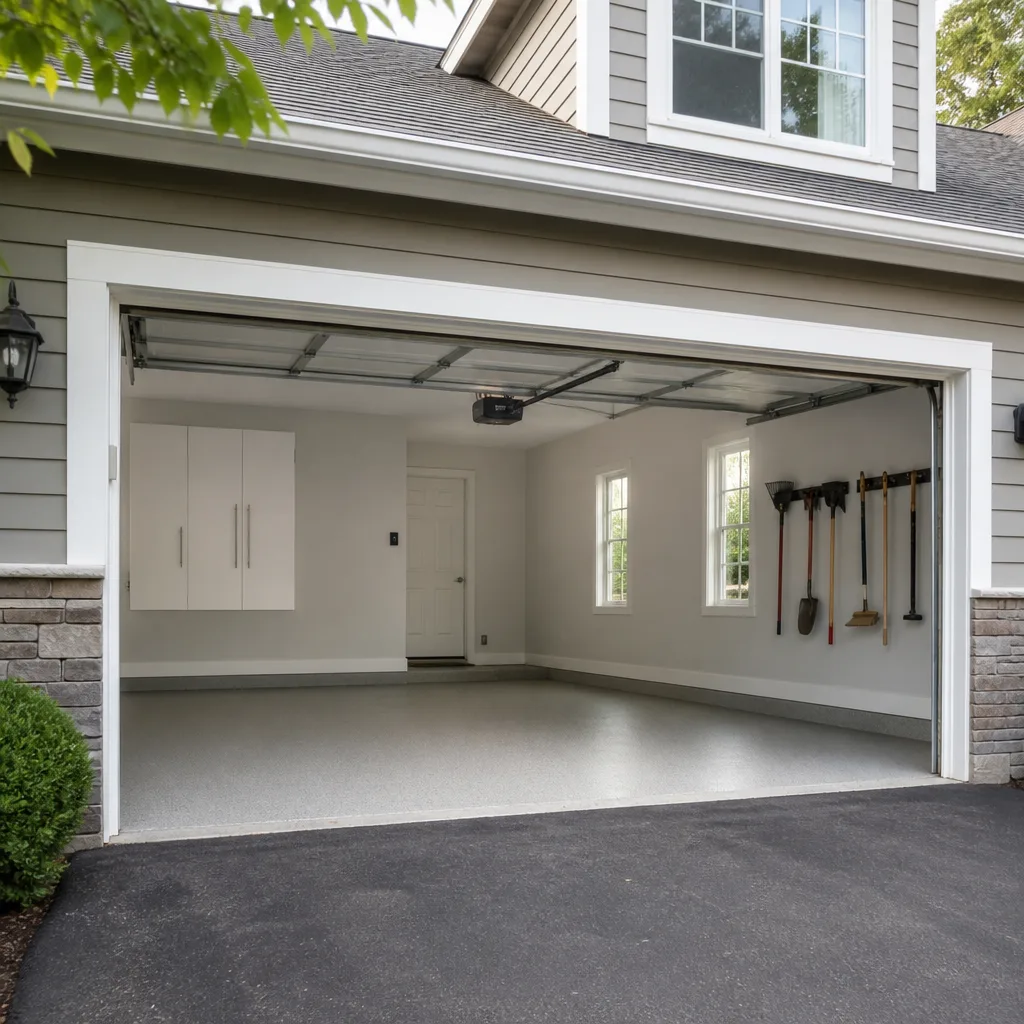 Chamberlain openers
Full 25-point door and opener safety check with every visit - springs, cables, rollers, tracks, and your LiftMaster or Chamberlain opener included
You get a price before we start. It does not change when the truck arrives.
Get your free estimateGarage Door Permits, Codes & Inspections in San Leandro, CA: What You Need to Know
Most San Leandro homeowners assume a like-for-like garage door replacement is permit-free, and in many cases they’re right. But the exceptions have a way of surfacing at the worst possible time: during a home sale inspection, years after the work was done. A door that looks identical to the old one can still trigger a code violation if the fire rating, structural conditions, or opener voltage don’t match what the law requires. Understanding where those lines are drawn saves you from an expensive correction later.
Styles & brands we work with
- Raised-panel steel
- Carriage house
- Modern flush
- Full-view glass
- LiftMaster openers
- Chamberlain openers
Quick Answer
A straightforward replacement of a garage door with a unit of the same size, weight, fire rating, and operating method typically does not require a building permit in San Leandro. You will need a permit when the opening size changes, the header or structural framing is modified, the door’s fire rating changes between attached and detached garage standards, or a new opener requires a new electrical circuit. Inspections focus on Title 19 fire separation, UL 325 entrapment protection, and structural adequacy of the surrounding framing.
Table of Contents
- When a Garage Door Replacement Is Exempt from Permit Requirements
- When San Leandro Requires a Building Permit for Garage Door Work
- California Title 19 and Fire-Rated Doors on Attached Garages
- UL 325 Entrapment Protection: What Inspectors Check
- How Unpermitted Garage Work Appears on CLUE Reports and Title Searches
- What It Costs to Remediate Before a Sale
- Common Mistakes to Avoid
- When to Call a Professional
- Frequently Asked Questions
- The Bottom Line
When a Garage Door Replacement Is Exempt from Permit Requirements
The building code treats a garage door as part of the building envelope, but it also recognizes that doors wear out. Springs break, panels dent, openers fail. When replacing a worn door with one that matches the original in every code-relevant aspect, the work is classified as maintenance or repair, not new construction. That means no permit application, no plan review, and no inspection.
In San Leandro, which follows Alameda County building code enforcement, the exemption applies when these conditions all hold true:
- The door is the same width and height as the original opening.
- The door’s fire rating matches the previous door. An attached garage requires a fire-rated door. A detached garage may not.
- The door weight and spring system are comparable to the original.
- The mounting points and track attachment locations remain unchanged.
- The opener, if replaced, plugs into an existing electrical outlet with no wiring changes.
We see this regularly in neighborhoods across San Leandro, from Washington Manor to Estudillo Estates, where 1950s and 1960s ranch homes still have their original garage openings. A Clopay steel door swapped for an old wood door of the same size is a repair. The city sees no reason to review it.
What “like-for-like replacement” does not mean is “looks the same from the curb.” The legal definition is narrower. It means the size, fire separation rating, structural load on the header, and method of operation all remain unchanged. A door that looks similar but is heavier, or wider, or lacks the fire rating of the original, is not like-for-like. It’s an alteration, and alterations trigger permits.
For homeowners planning a new Amarr or Wayne Dalton door on an existing opening, the question is not whether the brand matters. It doesn’t. The question is whether the door’s specifications match what the original builder installed. When they do, the job is exempt. When they don’t, you need to talk to the building department before the work starts.
When San Leandro Requires a Building Permit for Garage Door Work
The permit triggers in San Leandro are not mysterious, but they are specific. Alameda County building officials look at structural changes, fire separation, and electrical work. Any one of the following conditions means a permit is required before the project begins:
- The opening size changes. Widening a single garage door to a double, or raising the header height for a taller vehicle, alters the load-bearing wall. This is structural work. The header must be recalculated and typically upgraded. No exemption applies.
- The header or king studs are modified. Even if the door size stays the same, replacing a rotted or undersized header means the framing no longer matches the original approved condition. A permit is required to document that the new header meets current span and load requirements.
- The door’s fire rating changes. If you have an attached garage and replace a fire-rated door with a non-rated one, even of the same size, you have created a code violation. The permit process would catch this. The inspection process exists to prevent it.
- A new opener requires a new circuit. Modern smart openers, including Genie and LiftMaster models, often require a dedicated 120-volt outlet with proper grounding. If the garage has no existing outlet near the opener, running a new circuit is electrical work, and it requires an electrical permit.
- Track relocation or ceiling mount modifications. Changing from a standard lift to a high-lift track system, common when owners install car lifts in San Leandro garages, moves mounting points and changes load paths. This is not a simple repair.
The permit process in San Leandro starts with the city’s Building Division. You’ll submit a project description, and depending on the scope, they may request structural calculations for any header change. Fees are based on project valuation, and the final price is quoted before any work begins. We always recommend asking the city directly, because each project’s specifics determine whether a permit is needed.
We’ve walk through this with homeowners often enough to know the pattern: the permit question only comes up when someone is selling, refinancing, or had neighbors ask. We tell our customers the same thing every time. If the door is the same size, same rating, same operating method, and the wiring isn’t touched, the job is nearly always exempt. If any of those change, assume a permit is required until the city says otherwise.
California Title 19 and Fire-Rated Doors on Attached Garages
Here is the most overlooked part of garage door compliance in San Leandro, and it’s worth understanding before you pick a door. California Title 19, the state’s fire code, requires that any door separating a garage from living space provide a fire separation. The doorway from the garage into the house gets a solid-core door with a closer. But the large vehicular door itself also carries a rating requirement when the garage is attached to the house.
The fire door on an attached garage exists for a reason: a garage fire typically starts from a car, a fuel container, or a charging battery. The rated door slows the fire long enough for occupants to wake up, detect smoke, and leave. It also slows the spread into the rest of the house. A non-rated door on an attached garage removes that protection. It is a code violation, and it will appear as a finding on a pre-sale inspection.
The problem is that these violations are common in San Leandro because a rated door and a non-rated door can look nearly identical. Homeowners choose a door based on color, panel style, and price. The listing says “steel garage door” and the buyer assumes the rating is automatic. It is not. The rating is a specific manufacturing specification, tested and labeled. You cannot tell from a photo.
Replacing a fire-rated door with a non-rated door of the same size is exactly the type of unpermitted alteration that surfaces years later. The seller believes the work was a simple swap. The buyer’s inspector notes the missing rating. The closing pauses. The seller either pays for a correct door or negotiates a credit. It is an avoidable cost.
Our guidance: if your garage is attached to your home in San Leandro, you need a door with the appropriate fire rating. Ask the manufacturer to confirm it in writing. A Clopay or Amarr dealer can supply the specification. If you’re uncertain whether your current door is rated, a qualified garage door technician can inspect the door and its labeling. This is not a place to guess.
UL 325 Entrapment Protection: What Inspectors Check
Every new garage door opener installed in San Leandro must comply with UL 325, the safety standard for residential garage door operators. This standard has been in place since 1993, and it has been updated several times since. The core requirement is entrapment protection: the opener must reverse the door when it encounters resistance, and it must include a secondary entrapment device, typically photo-eye sensors mounted near the floor.
When a permit inspection occurs, the inspector will check these items:
- Photo-eye sensors mounted no higher than 6 inches above the floor, on both sides of the door opening.
- Reversal mechanism that stops and reverses the door within 2 seconds of contacting a 1.25-inch-high object placed on the floor.
- Manual release handle that is accessible and clearly marked.
- Force settings appropriate for the door’s weight and size, confirming the opener is not exerting excessive closing force.
- Proper grounding of the opener unit and its electrical connection.
For a like-for-like opener swap that uses the existing outlet and wiring, no inspection occurs because no permit is required. The UL 325 compliance is still mandatory, and any responsible installer will test the reversal function before leaving. We test every opener we install, permitted or not, because entrapment protection is not a paperwork issue. It’s a safety issue.
The challenge we see with older San Leandro homes is that the garage often has a single outlet on the ceiling, with no ground wire in the original electrical. A new opener that requires a grounded outlet will not function correctly on a two-wire circuit. This is when the electrical permit enters the picture. A new circuit requires an electrician, and the city will want to inspect it. We can install the opener, but the electrical work stands on its own.
For openers on the three dominant smart-home platforms, LiftMaster, Chamberlain, and Genie, the UL 325 requirements are identical. The brand does not change the safety standard. It changes the app interface and the features. The entrapment protections are uniform across all three.
How Unpermitted Garage Work Appears on CLUE Reports and Title Searches
CLUE stands for Comprehensive Loss Underwriting Exchange. It’s a database that insurance companies use to track claims history on a property. A CLUE report shows insurance claims, not building permits. So how does unpermitted garage work show up there? It shows up after a loss that would not have happened, or would have been less severe, with proper code compliance.
A fire-rated door slows a garage fire. A non-rated door doesn’t. If a garage fire occurs and the investigation finds a non-rated door on an attached garage, the insurance company may deny or reduce the claim for non-compliance. The denial goes into the CLUE report, and future buyers see a property with a prior claim denial. That’s a red flag.
Title searches are different. A title search looks for liens, ownership questions, and recorded documents. Unpermitted work is not recorded, so it does not appear directly on a title search. But when a buyer obtains a home inspection, the inspector notes unpermitted alterations. The buyer then asks the seller for permits. The seller can’t produce them. The sale stalls, or the price drops.
San Leandro real estate is competitive, and buyers are educated. A garage door that doesn’t match its fire rating, or a new opener wired without a permit, becomes a negotiating point. We’ve seen sellers scramble to get retroactive permits, which is more complex and more expensive than pulling one before the work starts. The city does not have a simple “pay a fine and we’ll sign off” path for structural or fire rating issues.
The lesson: if the work is exempt, no one will ever ask for a permit because none was required. If the work required a permit and you skipped it, that decision stays with the property. When you sell, the buyer’s inspector will find it.
What It Costs to Remediate Before a Sale
Let’s get specific about San Leandro pricing, without inventing a number that doesn’t exist. Correcting a non-fire-rated door on an attached garage means buying and installing a new rated door. In San Leandro, a typical 16-foot by 7-foot steel garage door with the appropriate fire rating runs between $1,400 and $2,800 installed, depending on insulation, panel gauge, and brand. An Amarr or Clopay rated steel door will sit in that range. A Wayne Dalton model with polyurethane insulation may run higher.
The labor to remove the old door and install the new one adds to that. Our estimates are written and given before any work starts, so the number you see is the number you approve. No hidden discovery charges.
For electrical corrections, running a new dedicated circuit for an opener costs differently depending on the distance from the panel. A short run within an attached garage might be a few hundred dollars. A long run through finished walls to a detached garage could be more than double that. The electrician’s permit fees are separate.
Structural corrections are the most variable. If a previous owner widened a door opening without a permit, or changed the header improperly, you may need an engineer’s review before any contractor can touch it. That review alone is several hundred dollars in this market. The repair could be a new header, new framing, and new door installation, pushing the total well past $5,000 in many San Leandro homes.
Comparing that to the cost of doing it right the first time, with a permit when required, is not complicated. The permit fee for a garage door alteration is a fraction of the remediation cost. More importantly, the work gets inspected and documented, which means the next buyer never questions it. For our customers, we always recommend the honest path. If a permit is required, we’ll tell you before any material is ordered.
Common Mistakes to Avoid
- Assuming every steel door is fire-rated. Not all steel doors carry a fire rating. The rating is a design specification, not a property of steel. Check the label before ordering a replacement on an attached garage in San Leandro.
- Widening a door opening without structural review. The header above a garage door carries the weight of the wall and roof above. Cutting the studs to make room for a wider door without engineering is dangerous and is the most common unpermitted structural violation we encounter.
- Replacing a non-rated door with a rated one and assuming the exemption applies. The fire rating changed. That’s an alteration. A permit is required, even though you’re upgrading, because the building’s fire separation changed.
- Installing a new opener on an ungrounded outlet. Old San Leandro garages often lack ground wires. Plugging a modern LiftMaster or Genie opener into that outlet doesn’t meet UL 325 grounding requirements. An electrician must address it.
- Ignoring photo-eye sensor mounting height. Sensors mounted above 6 inches fail inspection and, more importantly, can miss a small child or pet lying under the door. Mount them low, both sides, aligned.
- Hiding the permit question from the buyer. California sellers must disclose known unpermitted work. Failure to disclose is a legal issue. It’s cheaper to resolve the permit before listing than to negotiate it after inspection.
When to Call a Professional
Some garage door decisions in San Leandro are DIY-friendly. Replacing a broken handle or a weather seal does not require a permit or a specialist. But the line changes as the work gets structural or electrical.
Call a professional if you are replacing a door on an attached garage and cannot confirm the fire rating of the existing unit. Call if the door opening will change size, if the header shows signs of sagging, or if the new opener requires a circuit that doesn’t exist. High-tension springs and cables are dangerous. They are under constant load and can cause serious injury if released incorrectly. Do not attempt to adjust or remove torsion springs without training.
Crestview Garage Door Repair offers free estimates in San Leandro. We work on the brand you already have, from Clopay and Amarr doors to Genie and LiftMaster openers. We’ll tell you whether the job is exempt or permitted, and whether repair or replacement actually makes sense. Call (855) 356-4591. We answer 24/7. Fast dispatch from 7am to 7pm, Sunday through Friday.
Frequently Asked Questions
Not if the new door is the same size, same fire rating, and same operating method as the old one, with no structural or electrical changes. If any of those change, a permit is required. Ask the city’s Building Division if you’re not sure.
Permit costs in San Leandro vary based on the project valuation and the scope of work. The city’s Building Division can provide a fee schedule for your specific project. It’s a fraction of the remediation cost if work is done without one and caught later.
Title 19 is the California fire code standard requiring a fire-rated barrier between an attached garage and living space. In San Leandro, homes with attached garages must have a door that meets this rating on the vehicular opening. Replacing it with a non-rated door is a code violation.
No. We provide a written estimate after we see the door and the opening, and that estimate is the price you approve before any work starts. We don’t quote a low number and discover charges later. If the project requires a permit, that’s discussed up front.
Inspectors verify that the work matches the permit scope: door size, fire rating, structural header condition, and for openers, UL 325 entrapment protection including photo-eye sensors and the reversal function. They will red-tag anything that doesn’t match the approved plan.
Yes. During a free estimate, we can inspect the door and its labeling to determine whether it carries a fire rating. If it doesn’t and it’s on an attached garage in San Leandro, we’ll explain your options for bringing it into compliance. Call (855) 356-4591 for an in-person look.
The Bottom Line
Garage door permits in San Leandro come down to one question: is the work a repair or an alteration? A repair, same size and rating and wiring, needs no permit. An alteration, different size, or rating, or new electrical, does. The most common unpermitted violation we see is a non-fire-rated door on an attached garage, a Title 19 code issue that appears on pre-sale inspections. The fix is a correct door, correctly installed, before you list. For everything else, ask the city, and ask a garage door specialist who knows the difference between what looks compliant and what actually is.
Written by the team at Crestview Garage Door Repair, serving San Leandro since 2014.
See the difference
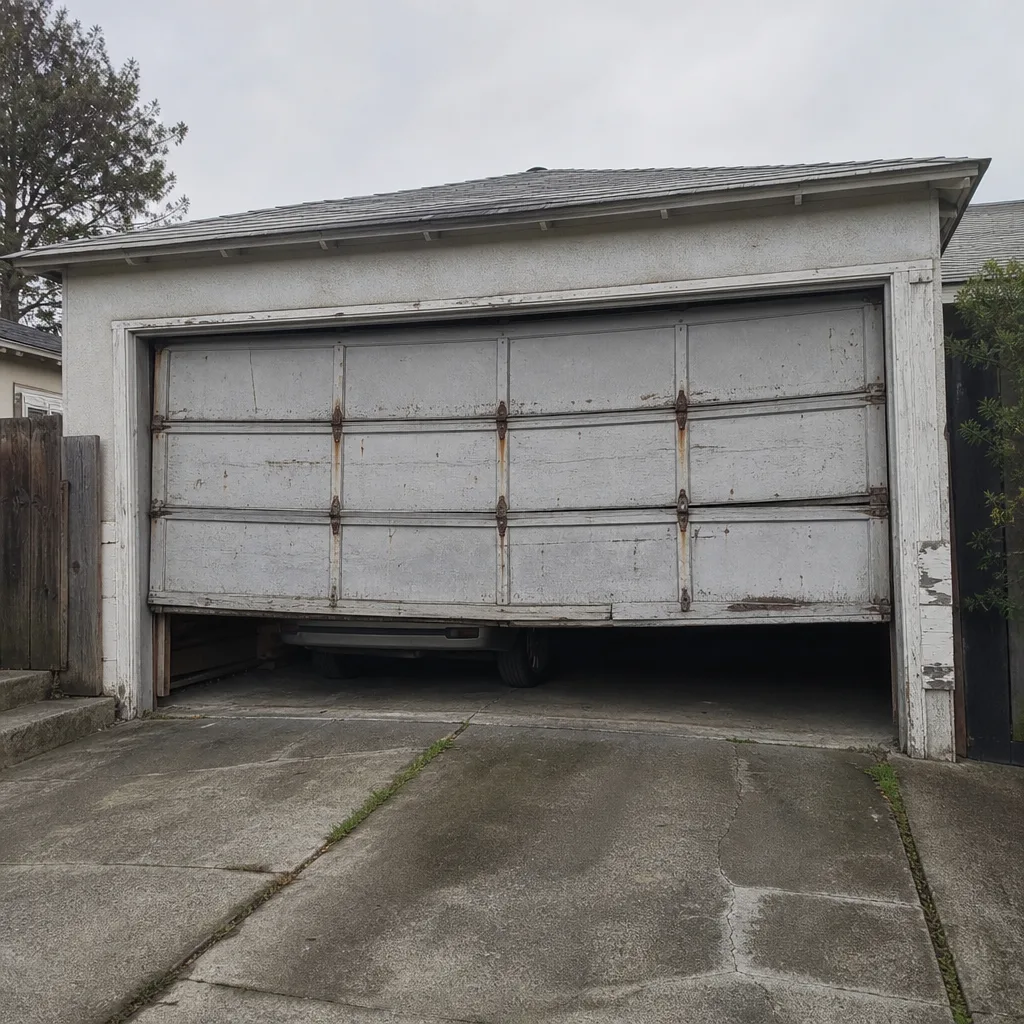 Before
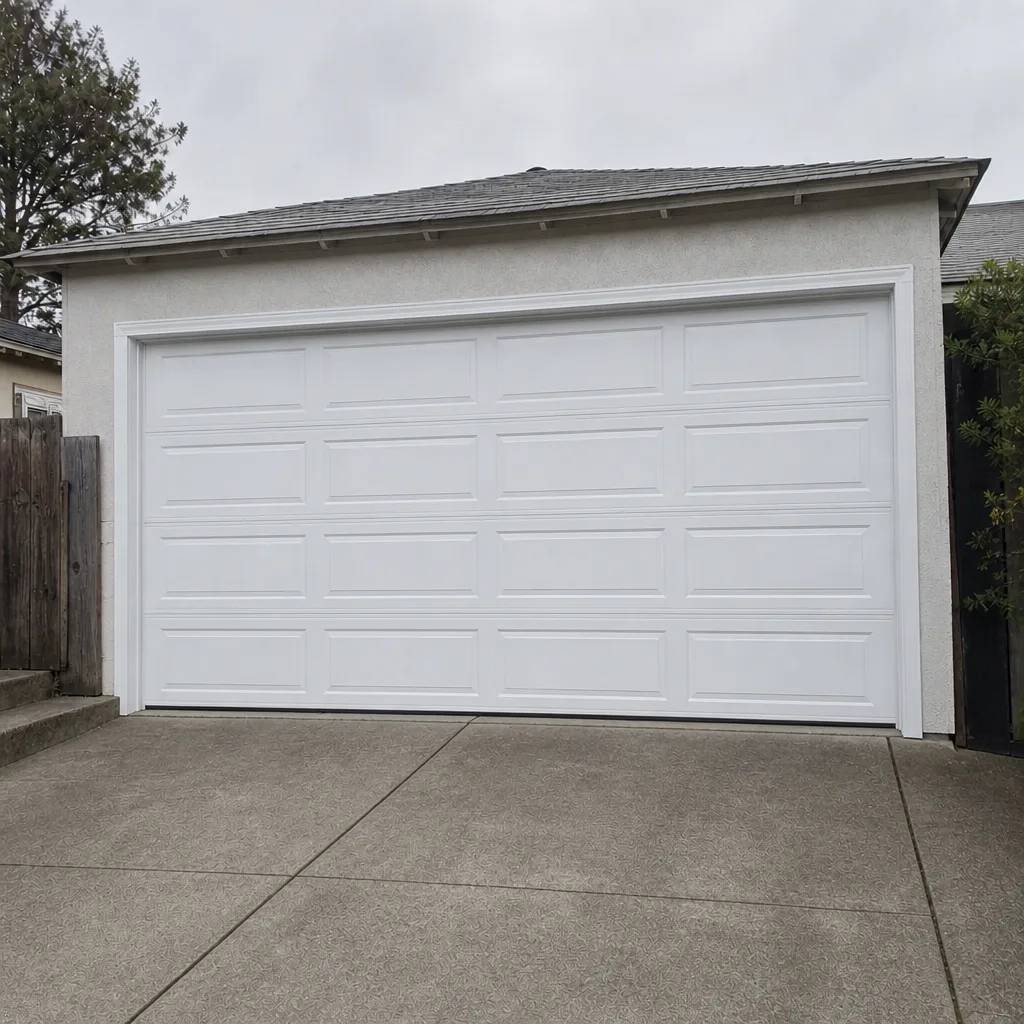 After
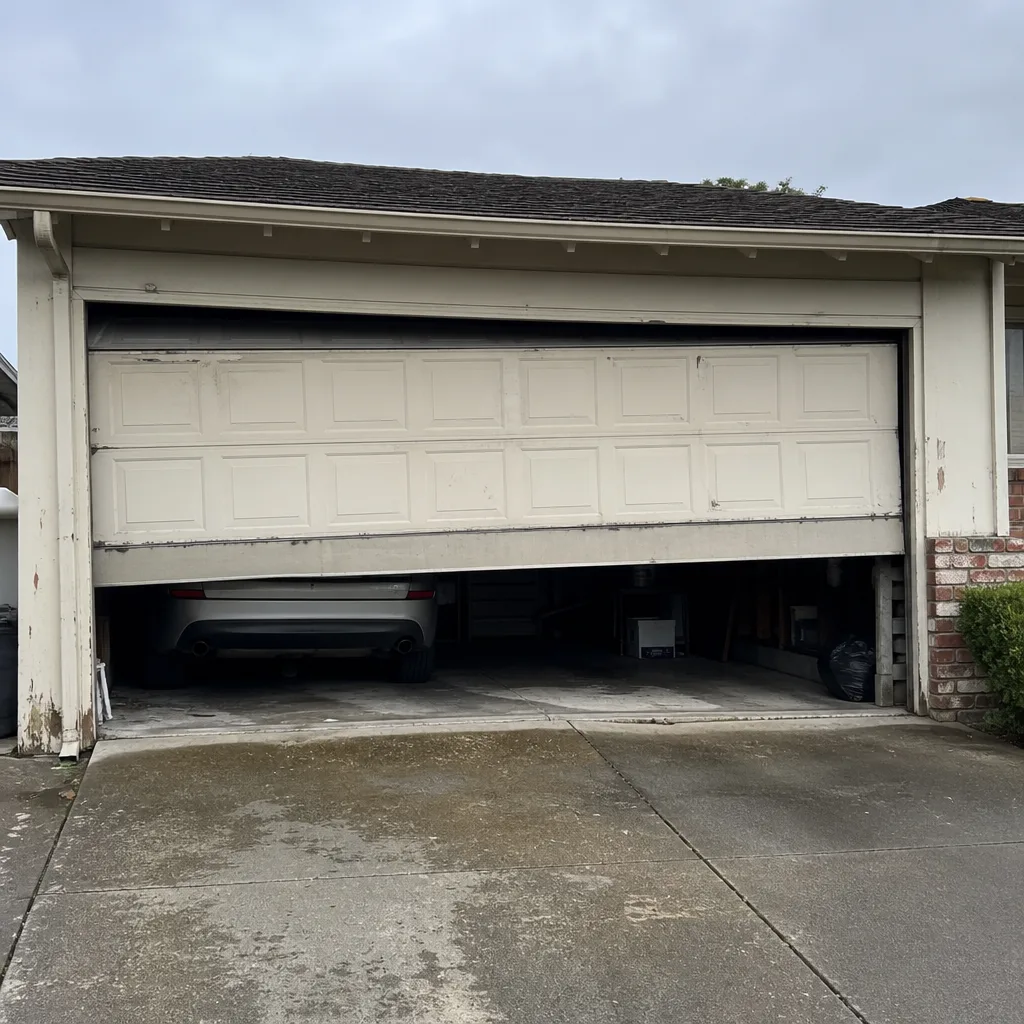 Before
 After
 Before
 After