
Last updated November 4, 2026
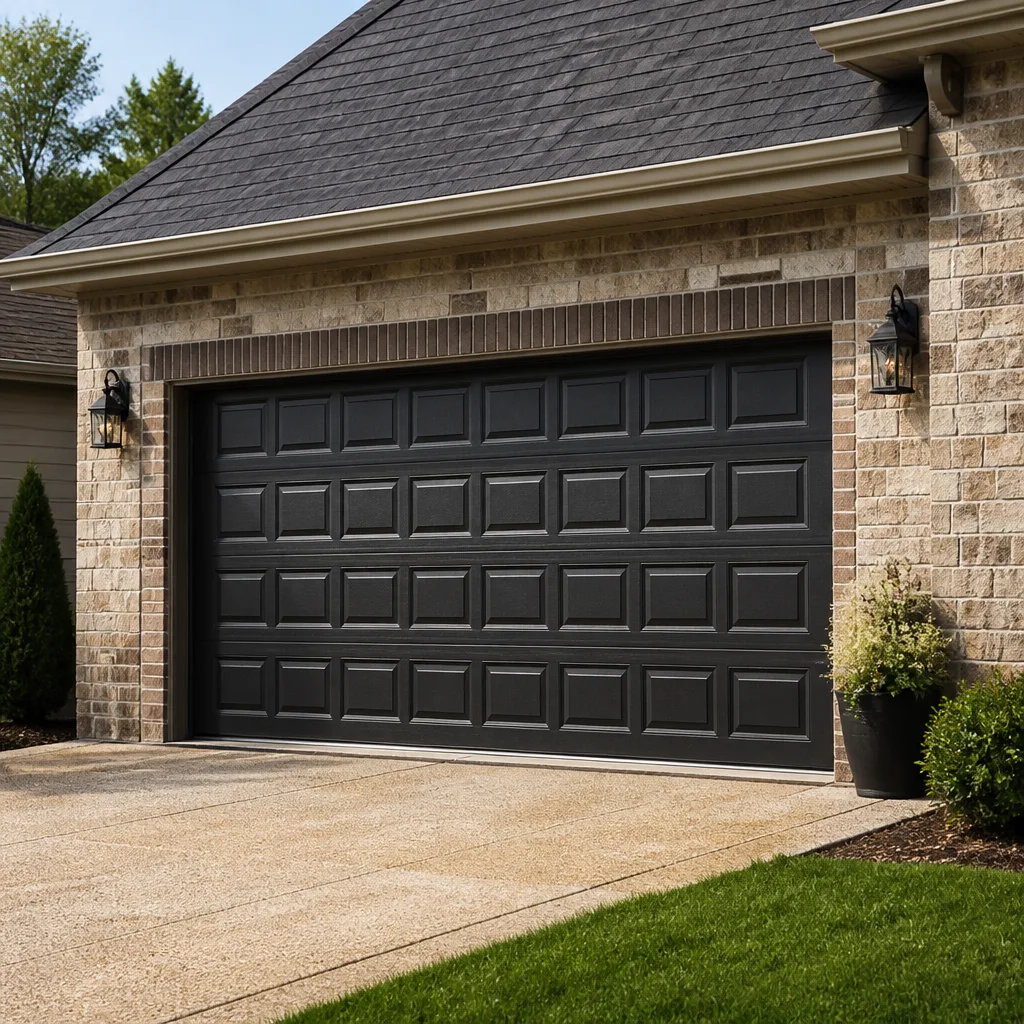 Raised-panel steel
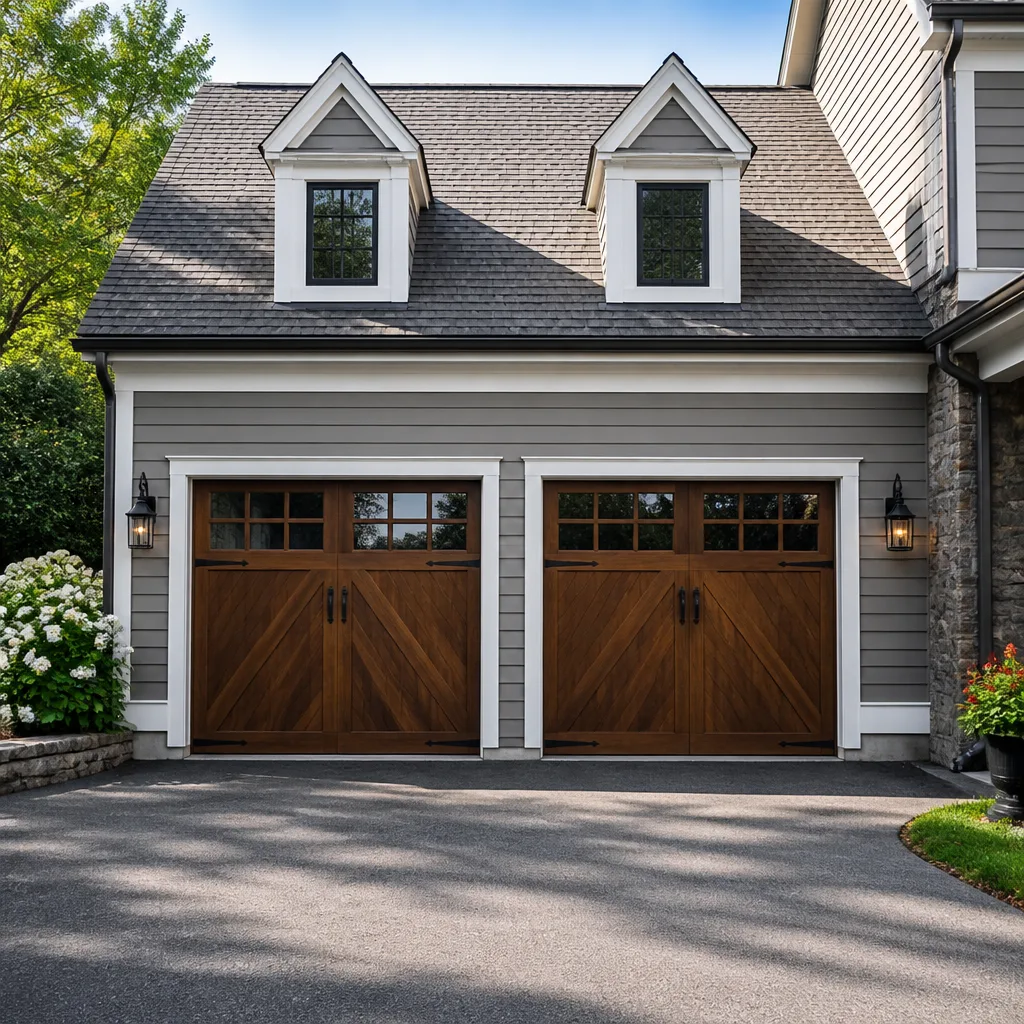 Carriage house
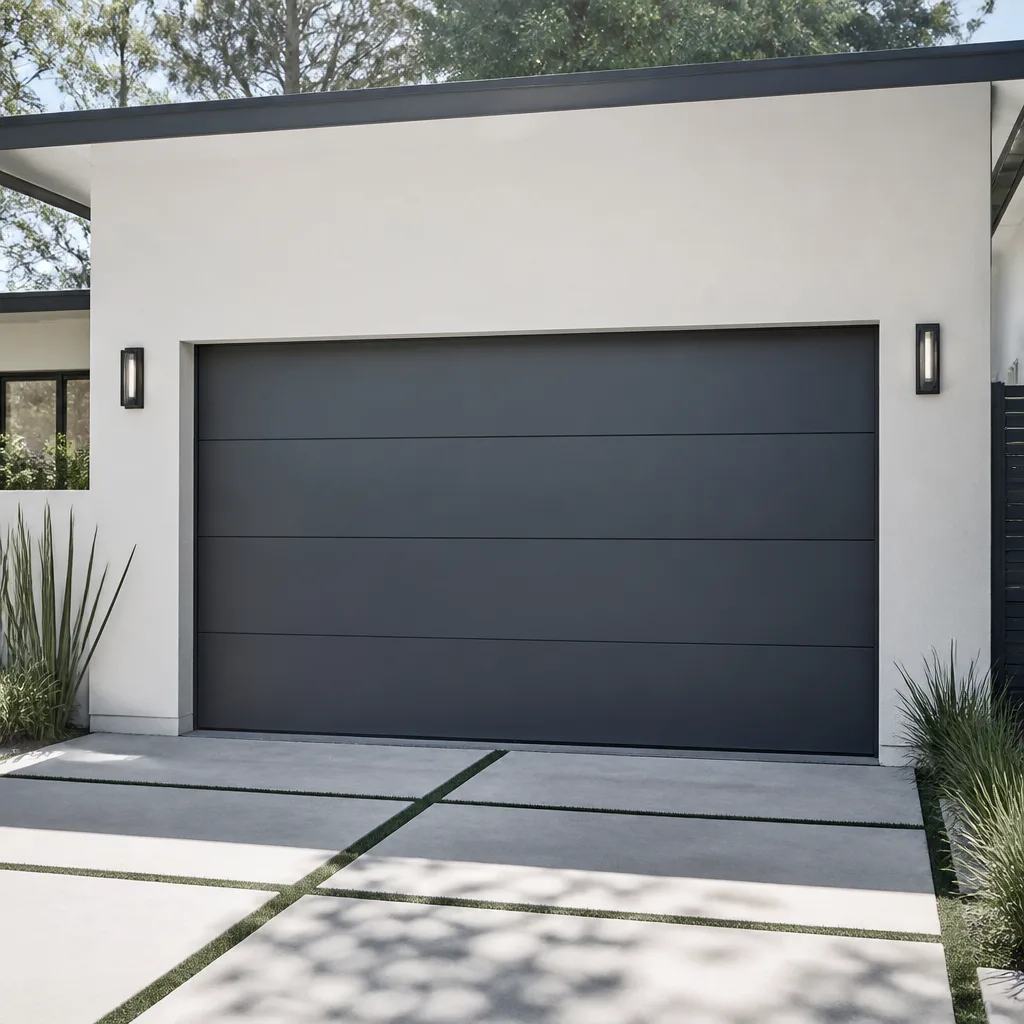 Modern flush
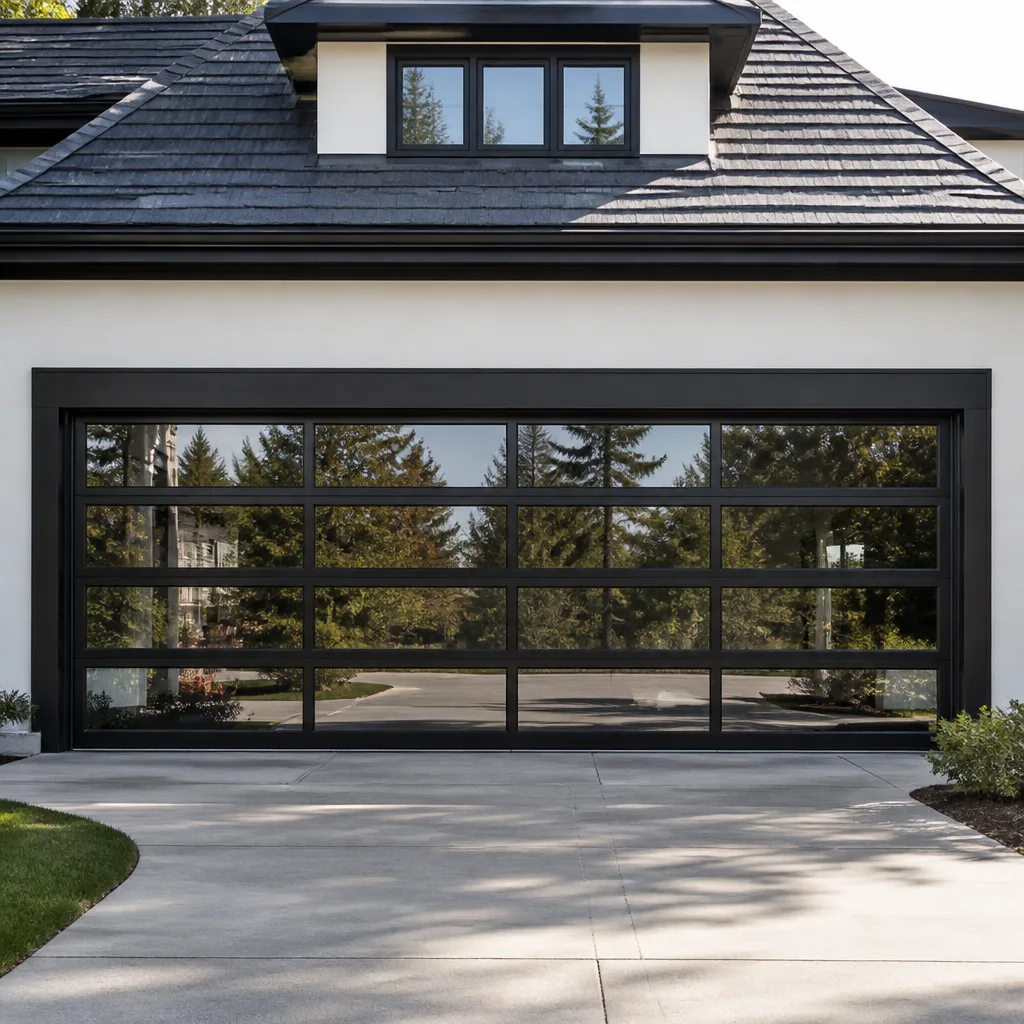 Full-view glass
 LiftMaster openers
 Chamberlain openers
Full 25-point door and opener safety check with every visit - springs, cables, rollers, tracks, and your LiftMaster or Chamberlain opener included
You get a price before we start. It does not change when the truck arrives.
Get your free estimateHow to Hire a Garage Door Contractor in San Leandro: A Step-by-Step Guide
Most homeowners assume a garage door contractor is a garage door contractor. The difference between a specialist and a general handyman who “also does doors” rarely shows up on a business card. It shows up when the technician opens the truck and has the right torsion spring for your door weight, or when they can name the permit threshold in Alameda County without making a phone call. This guide walks you through exactly how to vet a contractor in San Leandro so you hire someone who actually knows the system, not someone who learns on your door.
Quick Answer
To hire a garage door contractor in San Leandro, verify they hold a California C-61/D28 specialty license, confirm they carry general liability and workers’ compensation insurance, and ask five technical questions about your specific door weight, spring wind, and hardware specs before booking. A real specialist stocks parts for your door type, writes line-item quotes after measuring on site, and can explain whether repair or replacement makes more sense.
Styles & brands we work with
- Raised-panel steel
- Carriage house
- Modern flush
- Full-view glass
- LiftMaster openers
- Chamberlain openers
Table of Contents
- Why the License Class Actually Matters
- How to Verify Insurance in Alameda County
- Five Technical Questions That Separate Specialists from Generalists
- How to Read a Quote Like a Technician
- Why the Lowest Bid Is Usually the Wrong Bid
- Does the Contractor Know Your Specific Brand?
- What a Proper Job Should Look Like, Step by Step
Why the License Class Actually Matters
California issues a C-61/D28 specialty license for garage door work. A general B contractor license covers broad construction but does not mean the holder has passed any test specific to torsion springs, cable tension, or opener logic boards. In San Leandro, a homeowner who hires a general contractor for door work is making a bet that the person knows door systems well enough to work safely. Sometimes they do. Often they do not.
The D28 classification exists because garage doors are a distinct trade. A 16-foot by 7-foot door weighs around 300 pounds. The springs under that door carry enough stored energy to cause serious injury if they let go. A technician with a D28 has passed an exam covering the mechanical systems specific to that hazard. A general contractor has not. When you call a contractor, ask for the license number and check it against the Contractors State License Board database. That single search takes ninety seconds and tells you more than any website testimonial.
We hold the proper specialty credential for door work. We have been doing this since 2014. This is not a secondary service tacked onto HVAC or general contracting. It is the entire job.
How to Verify Insurance in Alameda County
The license is step one. Insurance is step two, and it is just as important. Any contractor working on your San Leandro property needs general liability coverage to protect your home if something goes wrong, and workers’ compensation coverage so you are not on the hook if a technician gets hurt on your driveway.
Here is the verification process, in order:
- Ask the contractor for their certificate of insurance. They should send it without hesitation.
- Confirm the policy lists the contractor’s legal business name exactly as it appears on the CSLB license.
- Call or email the insurance carrier to verify the policy is active. Certificates can be forged or outdated.
- Check that workers’ compensation coverage is listed. On a door job, a technician climbing a ladder with a 300-pound section overhead is not a theoretical risk.
- Ask for the insurance limits. General liability should cover at least $1 million. If it does not, walk away.
Local credentials matter more than national ones. A “certified technician” designation from a manufacturer is nice. It means the person took a training class. It does not replace state licensing or local insurance verification in Alameda County.
Five Technical Questions That Separate Specialists from Generalists
Before you book any contractor in San Leandro, call them and ask these five questions. You do not need to understand every term. You need to hear how the person answers. A specialist answers with specifics. A generalist pauses, hedges, or says “we will see when we get there.”
- What spring wind do you use for a 16×7 door at my door’s weight? Torsion springs are wound either left or right, and the spring’s wire size, length, and inside diameter must be calculated to the door’s exact weight. If the contractor cannot tell you how they determine wind or wire gauge, they are guessing.
- Do you stock springs for my specific door weight on the truck, or do you order them? A real door specialist in San Leandro carries a range of springs. If the answer is “we will have to order parts,” you are getting a middleman, not a technician.
- What hardware line do you use for rollers, hinges, and end bearings? There are cheap stamped hinges and sealed-bearing rollers, and there are commercial-grade parts. The answer tells you if you are getting a repair that lasts two years or ten.
- What is the Alameda County permit threshold for my job? Most cities require a permit when the job changes the structure, and most simple spring or panel replacements do not trigger one. But a contractor who cannot answer this question has never done work in San Leandro and does not know the local rules.
- Can you service the opener and the door in the same visit? If the answer is no, you are talking to a specialist in only half your garage door system. The door and the opener wear together. One call should cover both.
We ask clients their door size, weight, and opener model before we even schedule a visit. That is not a sales tactic. It is how a specialist plans the truck inventory so the repair actually happens on the first trip.
How to Read a Quote Like a Technician
Most homeowners read a quote by looking at the bottom line. That is the wrong place to look. A structurally complete quote lists the specific parts, their grade, and their quantity. Here is what a legitimate quote should include for a spring replacement on a typical San Leandro home:
- Torsion spring specification: wire size, inside diameter, length, and wind direction. If the quote just says “spring replacement,” you do not know what you are paying for.
- Hardware line items: rollers, hinges, end bearings, cable, and fasteners listed separately, with the brand or grade noted.
- Labor hours: a specific number, not “as needed.”
- Site measurement confirmation: the quote should state the door dimensions, weight, and any track adjustment included.
- Disposal fee: if the old door or spring is removed, the quote should say what happens to it and whether haul-away costs extra.
A quote with none of these itemizations is a guess wrapped in a number. It also gives the contractor room to change the scope once work starts. In our experience, a quote that cannot name the spring wire gauge is a quote that assumes you will not ask questions.
Why the Lowest Bid Is Usually the Wrong Bid
When you compare three bids in San Leandro and one comes in 40% below the others, the reason is rarely better negotiating skill. It is almost always a difference in parts. A torsion spring rated for 10,000 cycles costs more than one rated for 5,000 cycles. A sealed-bearing roller costs more than a plastic roller. A powder-coated Clopay or Amarr steel panel costs more than a bare galvanized sheet.
The low bidder is not saving you money. They are installing a spring that will need replacement again in four years instead of eight, over a frame that was never measured properly. The total cost of ownership is higher. The correct way to compare bids is line by line. Put the quotes side by side and look at the spring cycle rating, the hardware grade, and whether the installer measured on site. If one quote lacks those details, the price difference is meaningless.
Does the Contractor Know Your Specific Brand?
Garage doors are not interchangeable. A Chamberlain opener with a belt drive has different travel limits and force settings than a Genie screw drive. A Clopay insulated steel door balances differently than an Amarr aluminum one. If a contractor says “we work on all brands” but cannot ask which one you have before coming out, that is a red flag.
We train our technicians across the full range of major systems. That includes opener platforms like LiftMaster, Chamberlain, and Genie, and door lines like Clopay, Amarr, Wayne Dalton, and Raynor. The brand-agnostic approach matters because the recommendation should come from your situation, not from what parts happen to be in stock on the truck. If you have a LiftMaster chain-drive opener, we know its sensor alignment, force margin, and logic board behavior. If you are replacing a 20-year-old wooden door with a new Clopay steel model, we know the panel gauges and insulation options. That kind of factory-familiar depth is what separates a specialist from a handyman who has seen a few doors.
Most garage door companies know one or two lines. Ask a contractor to name the opener brands they carry parts for. A short answer is an honest answer, but it also tells you the limits of their truck inventory.
What a Proper Job Should Look Like, Step by Step
If you are hiring a garage door contractor in San Leandro, here is how a correct job should unfold, from the first call to the final test cycle.
- The intake call: You describe the symptom, the door size, and the brand. The contractor asks about the opener model and whether the door is balanced when disconnected. These questions indicate a diagnostic mindset.
- The on-site measurement: The technician measures the door width, height, and weight, inspects the springs, tracks, cables, and opener, and writes a line-item quote. No measurement, no quote.
- The written estimate: The price is stated before any work starts. The parts, labor, and any disposal are itemized. Nothing is installed on a verbal agreement.
- The repair or installation: The technician replaces the parts, reroutes the cables, sets the spring tension to balance the door, and tests the full cycle with the opener disconnected first.
- The final walk-through: The technician opens and closes the door manually and with the opener, adjusts the force settings, and shows you what was done. You should be able to ask “what brand is the new spring?” and get an answer in five seconds.
The price is agreed before any work starts. If a contractor will not put it in writing, end the conversation. That is true for a $200 spring and a $4,000 door installation.
Common Mistakes to Avoid
- Hiring on price alone. The cheapest quote in San Leandro usually means lower-cycle springs and stamped hardware. You will pay again sooner than you should.
- Not checking the CSLB license. It takes one search to see if the D28 credential is active. Skipping it is like hiring a car mechanic without checking if they can drive.
- Accepting a verbal quote. If the number is not on paper with line items, it is not a quote. It is a guess. The written estimate is what sets the final price.
- Ignoring the opener when the door is replaced. A new 300-pound door on an old opener forces the motor to work harder than it was designed for. A proper job considers the full system.
- Assuming every “garage door repair” listing is a specialist. In San Leandro, many general home services companies list door repair as a secondary line. Ask the five technical questions and see what happens.
- Skipping insurance verification. A license proves someone can pass a test. Insurance protects your property and the person on the ladder. Both matter.
See the difference
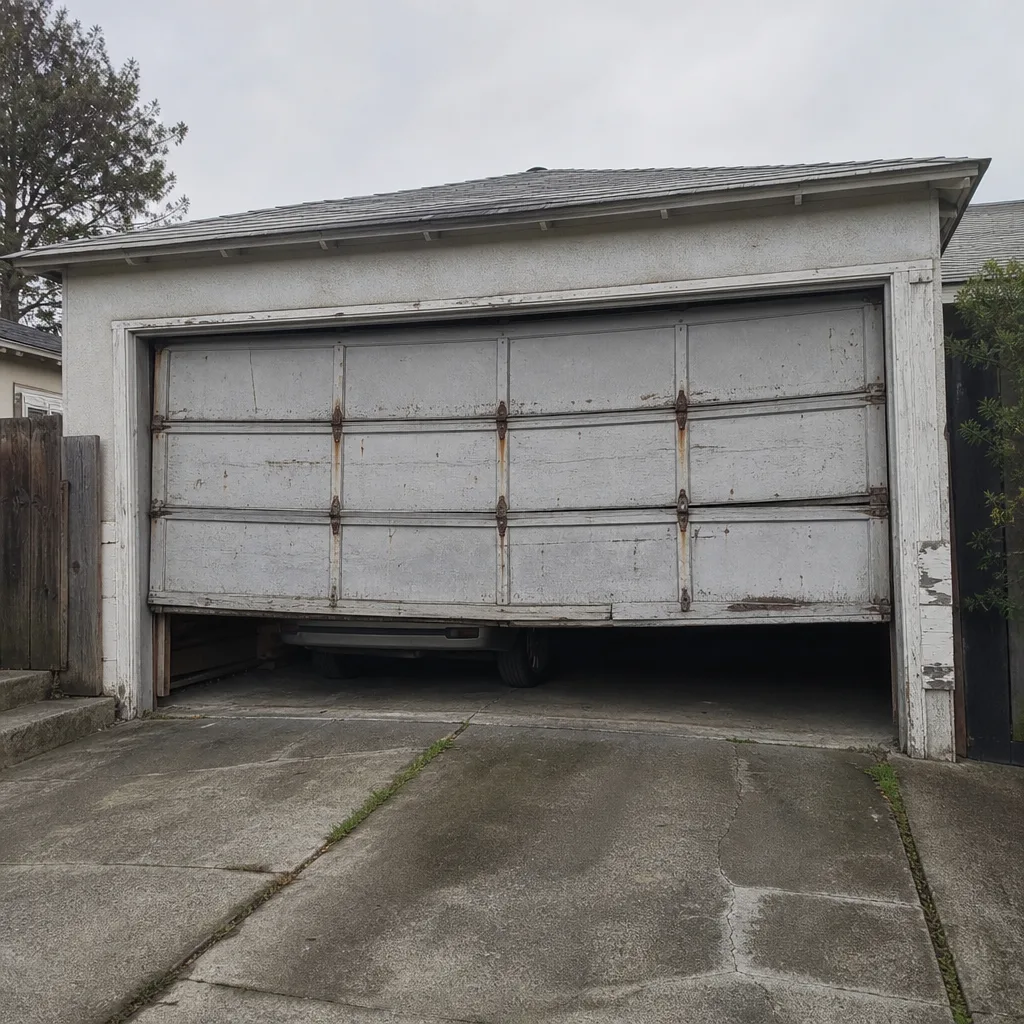 Before
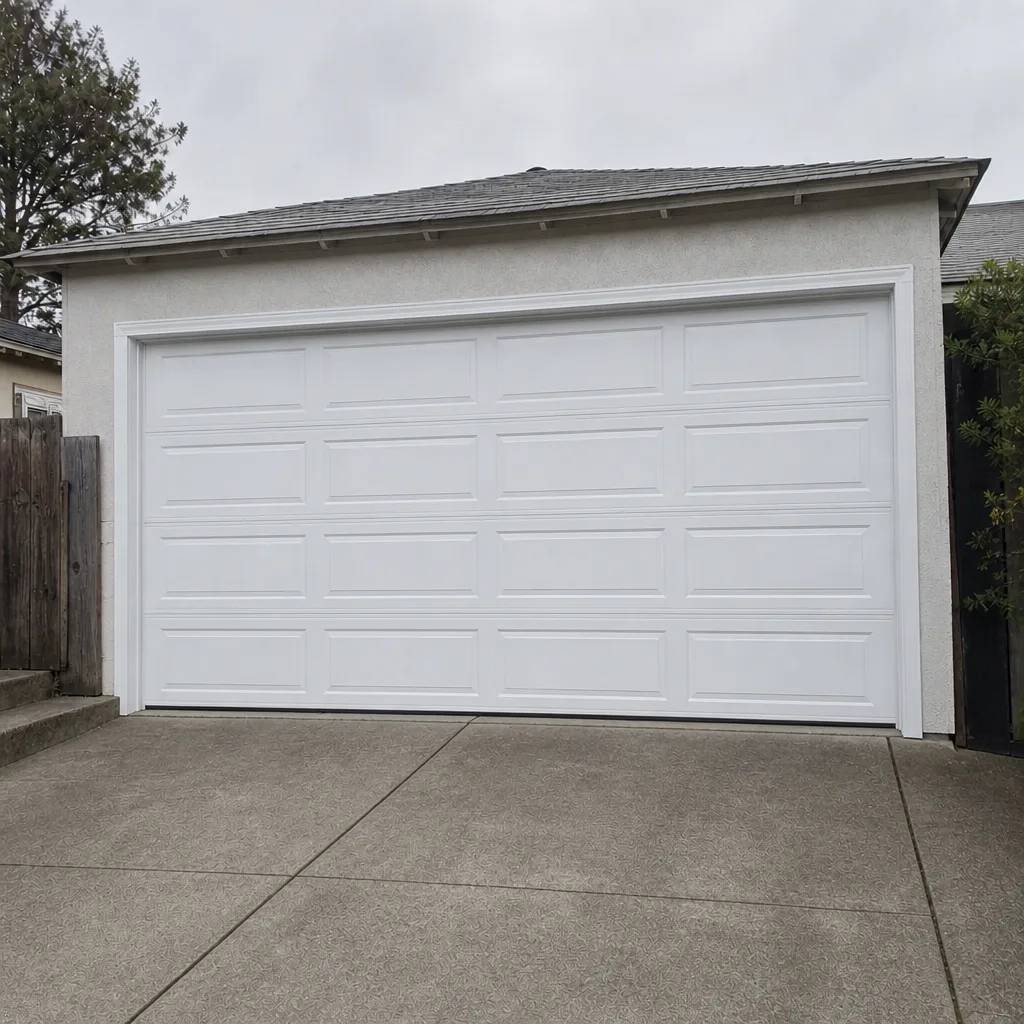 After
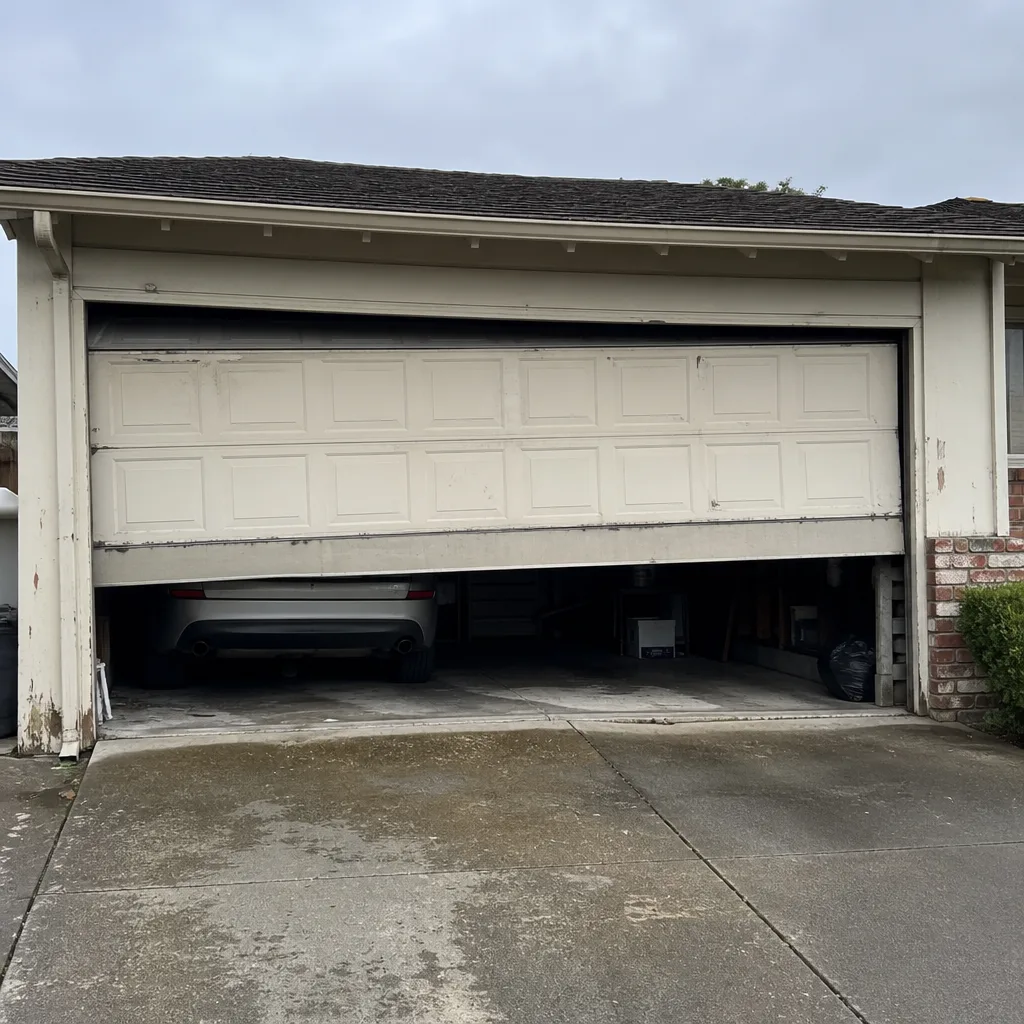 Before
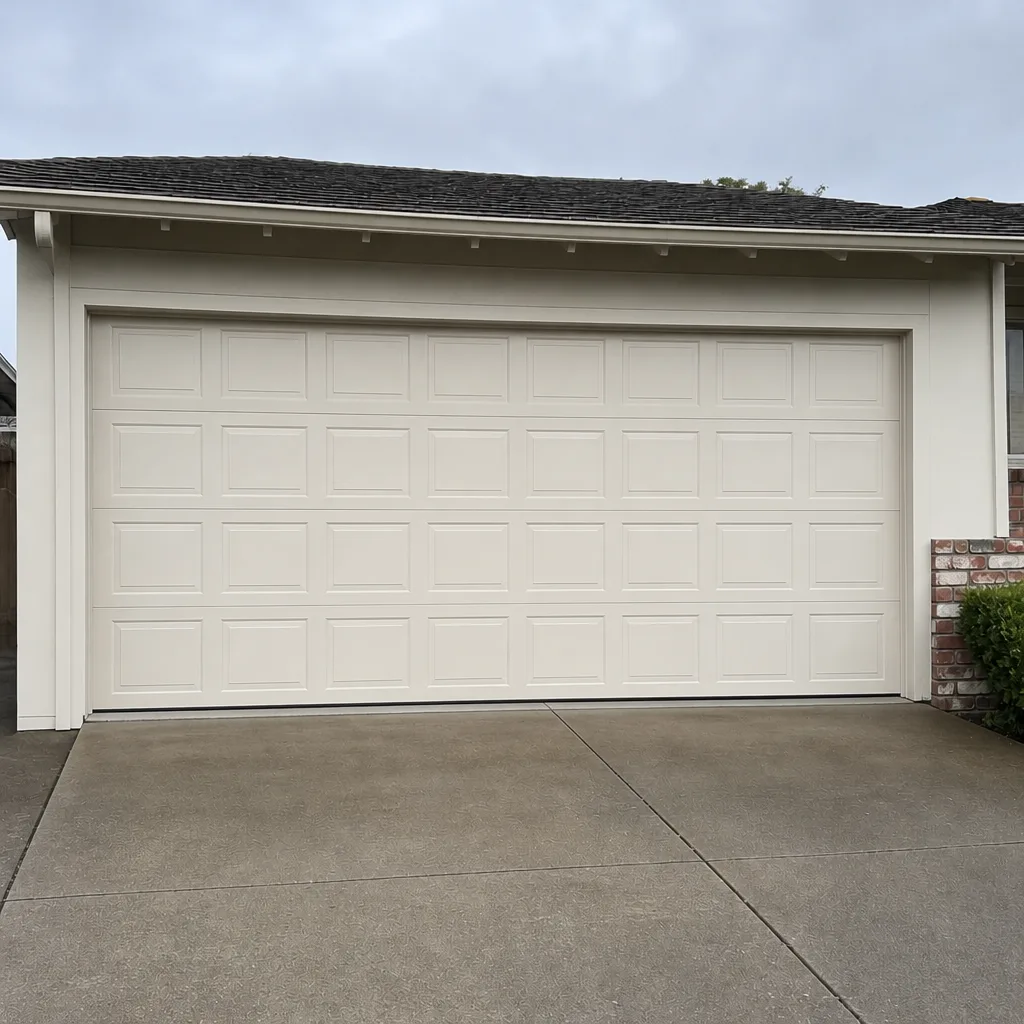 After
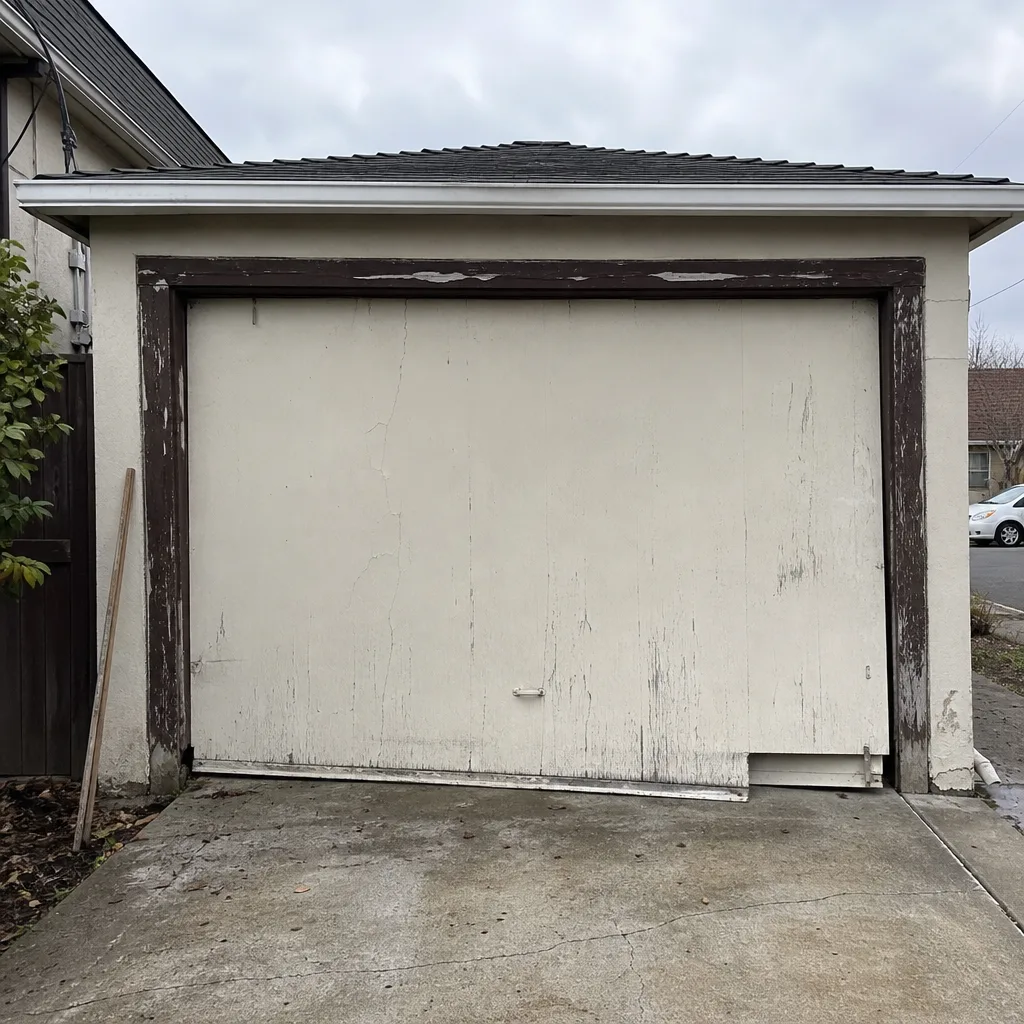 Before
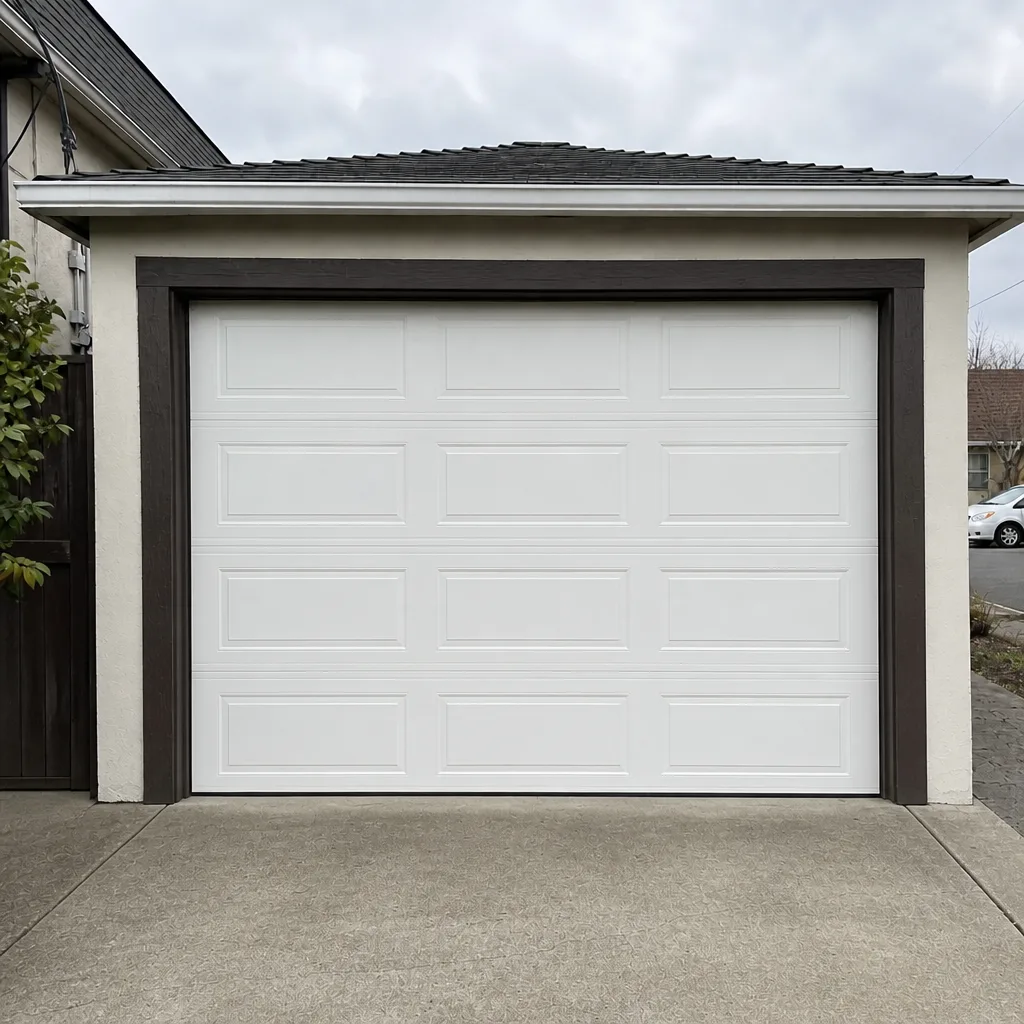 After
When to Call a Professional
You should call a professional the moment you notice a spring that looks stretched, a door that opens unevenly, a cable that has come off the drum, or an opener that reverses halfway through a cycle. These are not symptoms that fix themselves. A door that stops working mid-cycle is usually holding stored energy. The wrong adjustment can turn a $250 spring repair into a broken window, a dented car, or worse. If you are not certain what you are looking at, do not touch it. Torsion springs and cables under tension are the two parts of this system that genuinely hurt people who improvise. Crestview Garage Door Repair offers free estimates in San Leandro. Call (855) 356-4591.
Frequently Asked Questions
A typical spring replacement in San Leandro runs between $250 and $450 per spring depending on the door weight and spring cycle rating, and a pair is usually replaced together, so expect the spring portion of a repair to land in the $500 to $900 range when both are done. Opener repairs run lower, and a full door replacement runs higher. The written estimate is the only number that matters. Call (855) 356-4591 for an exact quote, and we will measure on site free.
Yes, same-day garage door repair is available when parts are in stock for your door type. garage door repair with fast dispatch from 7am to 7pm, Sunday through Friday. We answer 24/7.
No. The price is quoted and agreed in writing before any work starts. If the written estimate says a specific spring gauge, hardware grade, and labor total, that is the price. If a contractor in San Leandro will not commit to that before touching the door, do not let them touch the door.
Do you carry the parts on the truck for my LiftMaster opener?
We stock opener parts for LiftMaster, Chamberlain, and Genie systems on our trucks, including sensors, logic boards, gears, and remotes. If you tell us the model during the intake call, we bring what your specific opener needs. No second trip for parts.
Most simple spring, roller, or opener repairs do not need a permit. A full door replacement can trigger one depending on the door size, structural changes, and local code. The correct answer is to ask the city’s building department for your specific job, and never hire a contractor who brushes the question off. A local specialist should know the threshold well enough to tell you what to expect before you even ask.
Garage door repair covers the physical door, springs, rollers, cables, and tracks. garage door repair is the mechanical side. garage door opener repair covers the motor unit, sensors, remotes, and logic board. Both wear together, and a good contractor handles both in one visit rather than handing you off to another company.
The Bottom Line
Hiring a garage door contractor in San Leandro comes down to three things: verify the license, verify the insurance, and ask the technical questions that only a specialist can answer. Read the quote line by line, not by the bottom number. Compare spring grades and hardware specs, not just prices. And hire someone who stocks parts for your brand, measures on site, and puts the price in writing before any work starts. A garage door is a 300-pound moving part. The person working on it should know exactly what it weighs, what spring it needs, and why. If they cannot answer those questions, they should not be on your property.
Written by the team at Crestview Garage Door Repair, serving San Leandro since 2014.