
Last updated November 4, 2026
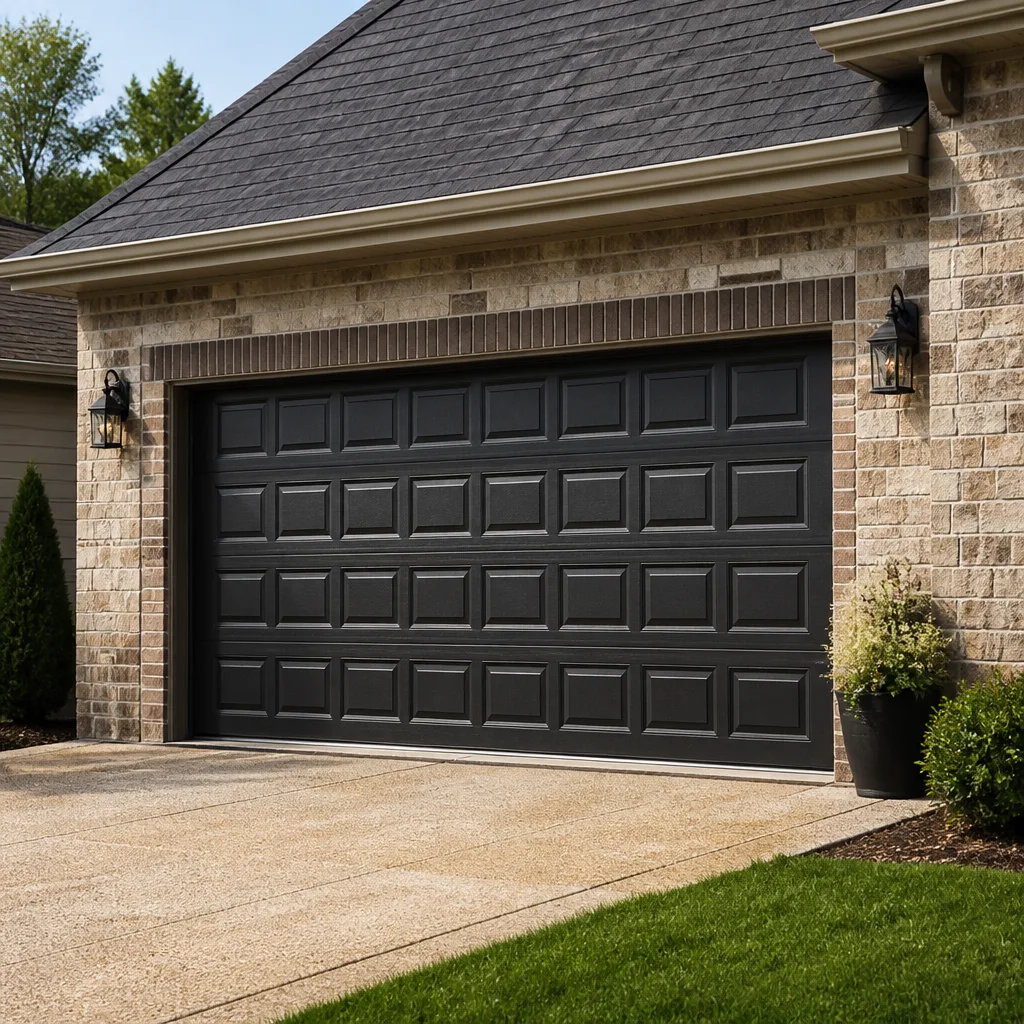 Raised-panel steel
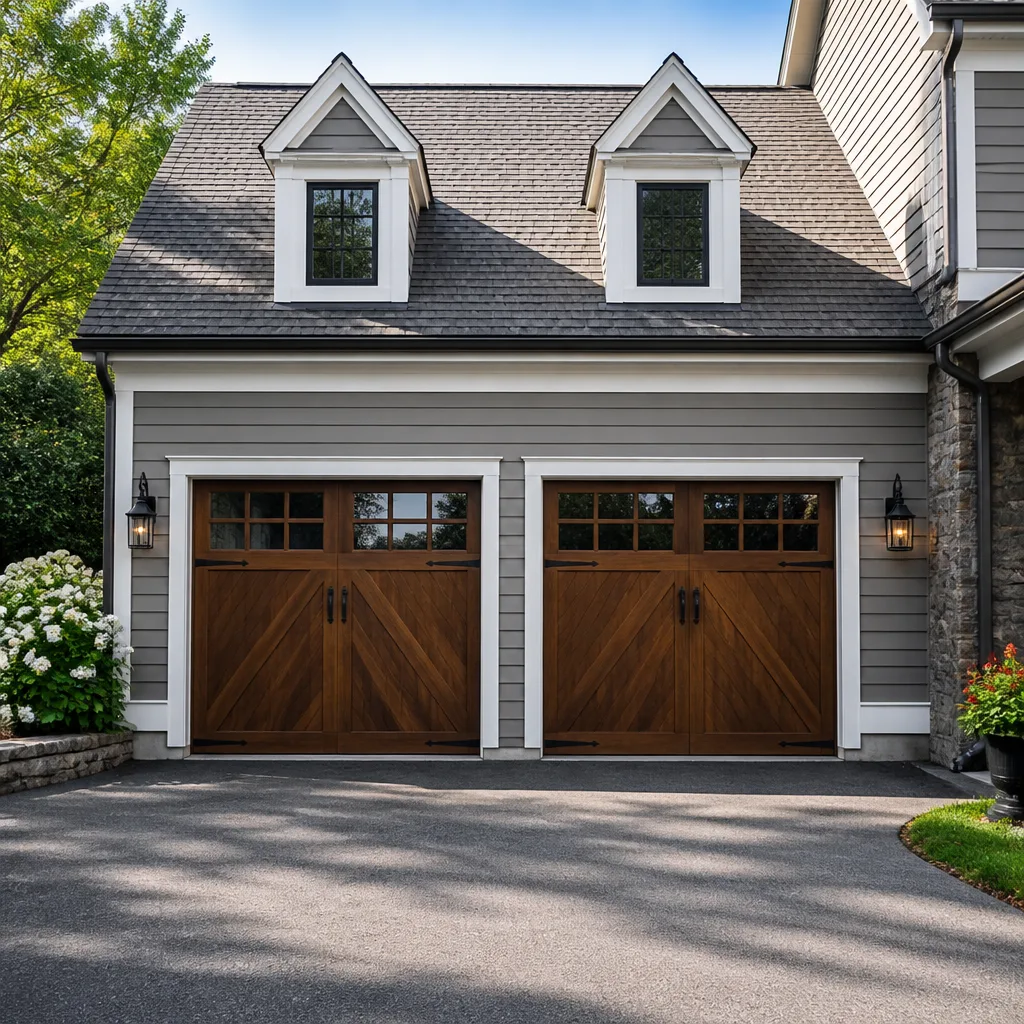 Carriage house
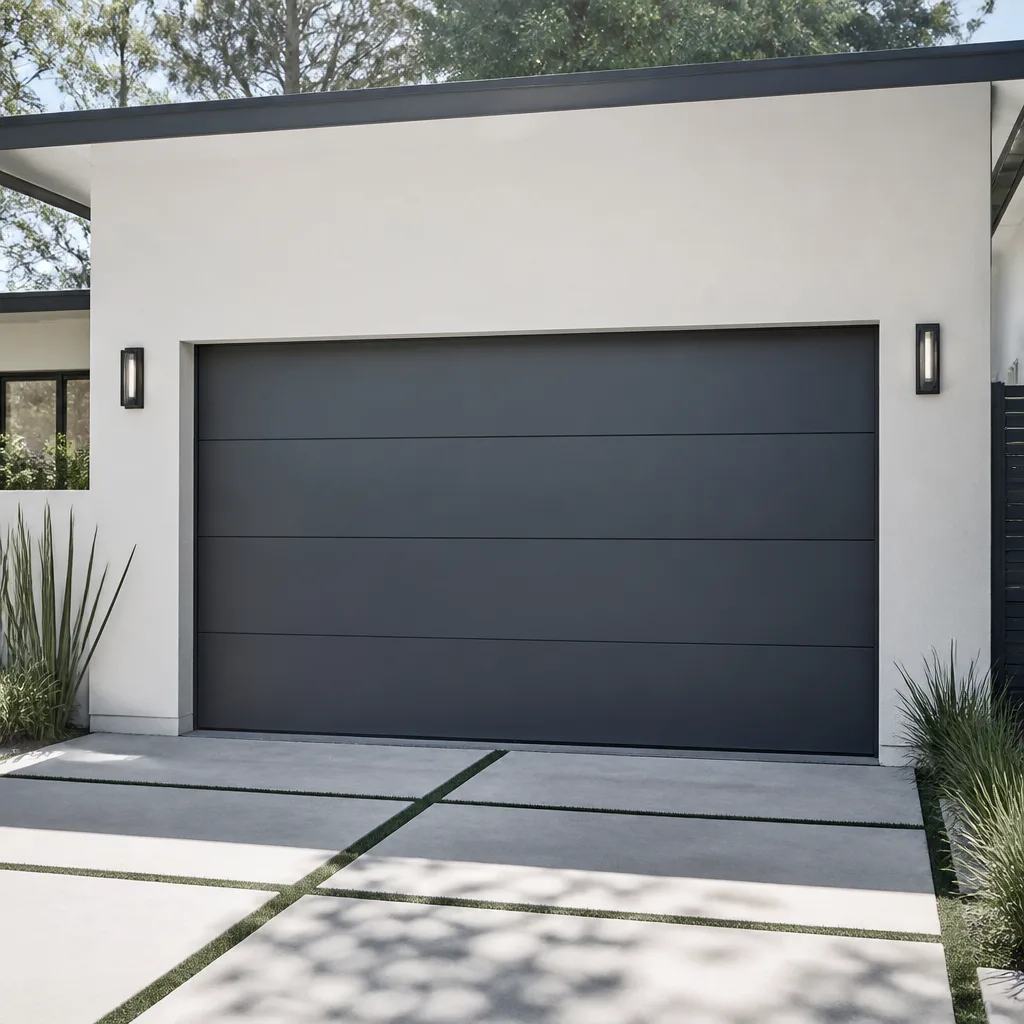 Modern flush
 Full-view glass
 LiftMaster openers
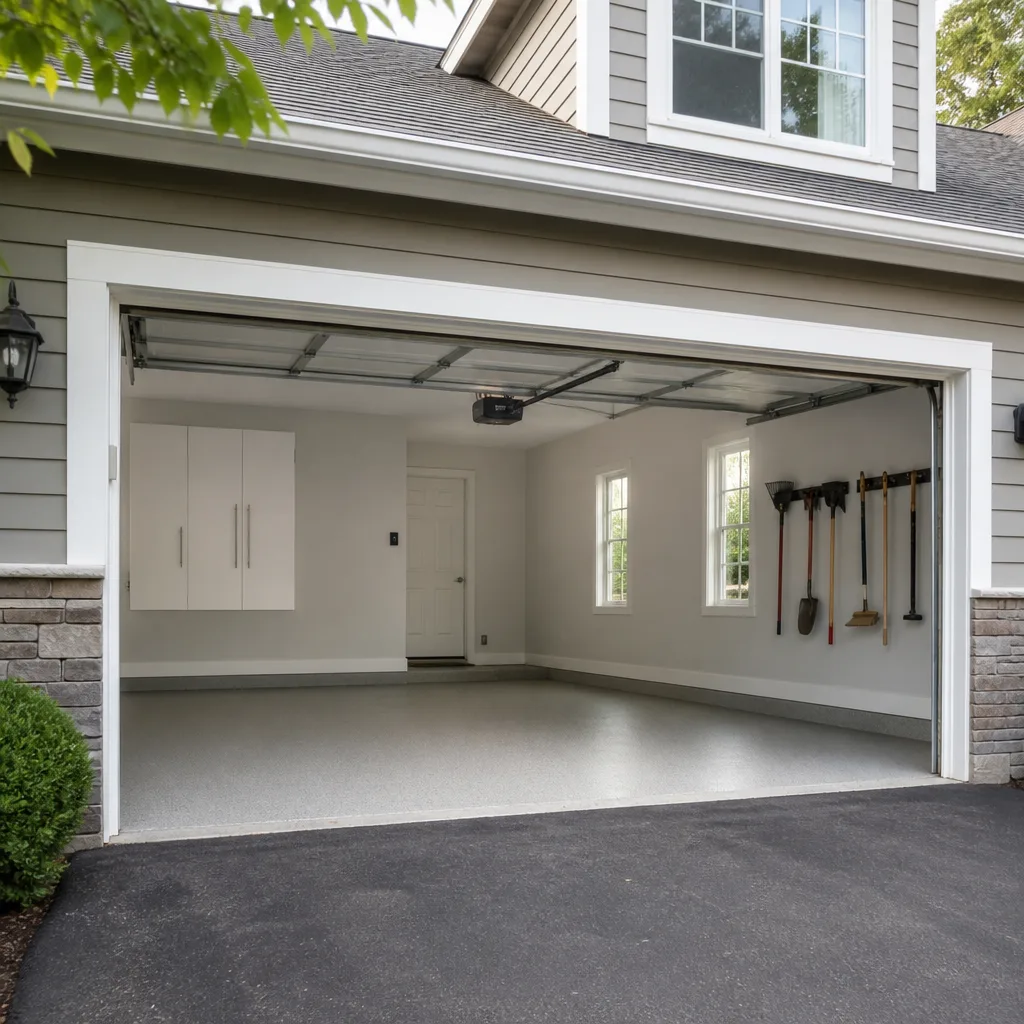 Chamberlain openers
Full 25-point door and opener safety check with every visit - springs, cables, rollers, tracks, and your LiftMaster or Chamberlain opener included
You get a price before we start. It does not change when the truck arrives.
Get your free estimateDIY vs Professional Garage Door: The San Leandro Homeowner’s Decision Guide
Most homeowners assume the DIY-versus-pro question comes down to skill. It doesn’t. The real dividing line is physics. A torsion spring wound to standard residential tension stores roughly 100 foot-pounds of torque per turn, and a typical spring carries seven or eight turns. That stored energy is what sends a 300-pound door upward. It’s also the specific reason spring work is the one garage door task where “I watched a video” is a genuinely dangerous rationale. This guide walks through which San Leandro garage door tasks are safe for a careful homeowner, which ones aren’t, and how to know the difference before you touch a single bolt.
Quick Answer
Most garage door maintenance in San Leandro is homeowner-safe: lubrication, weatherstripping, sensor cleaning, and visual inspections require no special training. Spring replacement, cable work, and track realignment under load are not DIY tasks because they involve stored mechanical energy that can release suddenly. The practical rule: if the task involves a wound spring, a cable under tension, or lifting the door off its track, call a technician from Crestview Garage Door Repair. Everything else is fair game with the right instructions.
Styles & brands we work with
- Raised-panel steel
- Carriage house
- Modern flush
- Full-view glass
- LiftMaster openers
- Chamberlain openers
Table of Contents
- The Physics That Separates DIY From Dangerous
- Homeowner-Safe Tasks You Can Do This Weekend
- Tasks That Require a Professional Technician
- Torsion vs. Extension Springs: Why the Difference Matters
- California Insurance and Liability: What DIY Actually Costs
- Cost-Benefit Math for Borderline Tasks
- What to Do Before the Technician Arrives
- Common Mistakes to Avoid
- When to Call a Professional
- Frequently Asked Questions
The Physics That Separates DIY From Dangerous
A garage door looks simple because it hides its complexity. The door itself can weigh anywhere from 150 to 300 pounds depending on size and material. The opener motor isn’t actually lifting that weight; the springs are. The motor simply guides the door while the springs do the heavy work. When you disconnect the opener and lift the door manually, you’re feeling what the springs are doing every single cycle.
Here’s the part most guides skip: the danger isn’t the door falling on you, though that can happen. The danger is the spring. Torsion springs sit on a metal shaft above the closed door and store rotational force. Extension springs stretch along the horizontal tracks and store linear force. Both store enough energy to break bone or worse if they release unexpectedly. A winding bar slipping out of a torsion spring cone at full tension moves fast enough to cause serious injury. This isn’t dramatic language; it’s the mechanical reality of roughly 800 foot-pounds of stored energy in a wound pair of springs.
What this means for a San Leandro homeowner is straightforward. Tasks that don’t touch stored energy are learnable in an afternoon. Tasks that require releasing, winding, or transferring spring tension are not learnable from a video, because the feedback loop of a mistake is measured in milliseconds. In our experience, the homeowners who call us after a DIY attempt aren’t the ones who lacked mechanical confidence. They’re the ones who underestimated what the part was storing.
Homeowner-Safe Tasks You Can Do This Weekend
Plenty of garage door upkeep in San Leandro doesn’t require special tools or training. The mild local climate means doors get more use year-round than in cold-weather markets, so lubrication and cleaning have a real impact on longevity. Here’s what a careful homeowner can handle confidently:
- Lubrication: Use a lithium-based or silicone spray on hinges, rollers, and the opener rail. Avoid WD-40 as a primary lubricant; it cleans but doesn’t last. Do this twice a year and the door runs noticeably quieter.
- Weatherstripping replacement: The rubber seal along the bottom of the door, called the astragal, slides out of its aluminum retainer and the new one slides back in. This is a ten-minute job that keeps leaves, dust, and the occasional San Leandro coastal-morning dampness out of the garage.
- Sensor realignment: If the opener’s safety sensors near the floor get bumped, the door refuses to close. Loosen the wing nut, adjust the sensor until its indicator light goes solid, tighten. No tension involved.
- Visual inspection: Look at the cables for fraying, the rollers for wobble, and the door balance by disconnecting the opener and lifting manually. Write down what you find. That list is useful even if you end up calling us.
- Track cleaning: Wipe debris from inside the vertical and horizontal tracks. Don’t adjust the track brackets. Cleaning is safe; adjusting a track under load is not.
- Battery replacement: Opener remotes and keypads run on standard batteries. A dead remote is not a dead opener. Swap the battery before scheduling a service call.
None of these tasks involve releasing stored energy. That’s the common thread. You’re working on passive components, not active tension. A misaligned sensor doesn’t snap. A worn weather seal doesn’t wound. The consequence of error is cosmetic or correctable, not physical.
Tasks That Require a Professional Technician
Some tasks look simple and are not. The visual simplicity of a garage door system hides how many components carry load. Here’s the honest list of what a San Leandro homeowner should hand to a technician:
Torsion Spring Replacement
Torsion springs are rated for a set number of cycles, typically 10,000 on standard models. When one breaks, the door either won’t open or opens unevenly. Replacement requires unwinding the remaining spring or winding the new one, which means working with winding bars inside a spring cone under direct tension. One slip of a bar at full wind is a trip to the ER. This is the single most common garage door repair that requires professional tools and training.
Cable Replacement
The cables that run from the bottom brackets up around the drums are load-bearing. They carry the door’s weight in partnership with the springs. Replacing a cable means taking tension off the system, which again means dealing with the spring. A frayed cable is a warning sign, not a weekend project.
Track Realignment or Replacement
If the door is off track or grinding, the track brackets hold hundreds of pounds of door weight. Loosening a bracket without supporting the door correctly lets the whole assembly shift. Doors that leave their tracks can fall. This is a mechanical-reality problem, not a skill problem.
Opener Motor Replacement
Replacing an entire opener unit, especially a garage door opener repair that involves a modern LiftMaster or Genie with smart-home integration, goes beyond swapping parts. It includes mounting, force-setting, travel-limit calibration, and safety-reversal testing. A mis-calibrated opener can crush objects or fail to reverse. Getting it right matters.
Panel Replacement on a Loaded Door
Individual panel swaps require removal while the rest of the door stays in place, which redistributes the load. An unloaded section can shift. This is worth a technician unless you’ve done it before and have a second person helping.
Torsion vs. Extension Springs: Why the Difference Matters
San Leandro homes built before roughly the 1990s often have extension springs mounted above the horizontal tracks. Newer homes and most replacements use torsion springs on a shaft above the door opening. The distinction matters because the DIY risk profile is different.
Extension springs stretch when the door closes and contract when it opens. When an extension spring breaks, it usually snaps along the track and the safety cable prevents the loose end from flying. Extension springs are more forgiving to work on because you can release tension by opening the door fully, which stretches the spring and removes load. Still, a stretched spring carries hundreds of pounds of force. Forgiving is relative.
Torsion springs are wound, not stretched. They sit on a stationary shaft and twist. The torque is always present, even when the door is open. Releasing that torque requires inserting two winding bars into the spring cone and manually unwinding one quarter-turn at a time. If a bar slips out at the wrong moment, the spring unwinds violently. There is no forgiving version of this task.
Here’s what this means in practice. If your San Leandro home has extension springs and one breaks, a very experienced DIYer with the right tools and a safety cable already installed might consider replacing it. We still recommend calling us. If you have torsion springs, there is no version of this conversation where we recommend doing it yourself. The injury statistics around torsion spring work are not worth the savings.
California Insurance and Liability: What DIY Actually Costs
Homeowners rarely think about insurance until something goes wrong. Here’s the uncomfortable truth: if you replace a torsion spring yourself and the installation fails, causing property damage or injury, your homeowner’s insurance policy may not cover the claim. Most standard California policies exclude damage resulting from unpermitted or unqualified work performed by the homeowner on load-bearing mechanical systems. A garage door is explicitly a load-bearing system.
Think through the scenarios:
- Property damage: A spring installed incorrectly lets the door fall onto a car. The damage claim goes in. The adjuster asks who performed the repair. If the answer is “I did,” coverage may be denied based on the policy’s maintenance and modification exclusions.
- Injury to a family member: A spring releases while a spouse is opening the door. The medical claim may be denied, and personal liability coverage doesn’t apply to injuries to household members in most cases.
- Injury to a future owner: You sell the home. The new owner’s door fails because of your spring work. You’re now personally exposed to a liability suit years after the “savings.”
California law also requires that certain residential mechanical work be performed by a licensed contractor when it exceeds a specified dollar threshold or involves structural connection points. Garage door spring replacement can fall under this depending on the scope. Most cities in the East Bay don’t require a permit for a straight spring swap, but that doesn’t change the liability picture. Ask your insurer directly before attempting any spring work. Most will tell you to hire it out.
The cost of professional spring replacement vs. the potential cost of an uncovered claim is the clearest math in this whole guide. We’ll get to numbers below, but the principle stands: this is not where you save money.
Cost-Benefit Math for Borderline Tasks
Some tasks genuinely sit on the line. You can do them, but hiring them out sometimes costs less in time and tools than the DIY route. Here’s the honest math for a San Leandro homeowner.
Lubrication
DIY cost: about $10 for a can of lithium spray. Professional cost: not a standalone service; it’s done as part of a maintenance visit. Verdict: DIY, every time. Zero risk, cheap materials, no reason to pay someone.
Bottom Weather Seal Replacement
DIY cost: $15 to $40 for the seal, depending on door width. You need about 30 minutes and no special tools. Professional cost: typically $80 to $150 installed. Verdict: DIY for most people. The one exception is a door that’s hard to lift or has poor clearance at the bottom, which may indicate a spring issue anyway.
Sensor Realignment
DIY cost: $0, just a screwdriver. Professional cost: often a $75 to $100 service call. Verdict: DIY. Clean the lens, check the wiring, realign the sensor. If the problem persists, the sensor itself may be failing, which is a $150 to $200 replacement best left to a tech.
Roller Replacement
DIY cost: $10 to $30 for a set of nylon rollers. The catch: replacing rollers on a sectional door requires bending the track slightly to slide old rollers out, which means the door is partially off its track during the work. Professional cost: $100 to $180. Verdict: borderline. We’ve seen confident DIYers do this safely, but we’ve also been called to fix doors that went off track mid-swap. If you’re not sure how the roller attaches to the hinge, hire it.
Opener Remote Programming
DIY cost: $0 if you have the manual, or a YouTube search. Professional cost: not commonly charged if done during another visit. Verdict: DIY. Brand-specific steps for LiftMaster, Chamberlain, and Genie are all documented by the manufacturers. Press the learn button, follow the sequence, done.
Spring Replacement
DIY cost: $50 to $120 for the spring pair, plus $30 to $60 for winding bars you’ll use once. Real cost if something goes wrong: uninsured. Professional cost: typical San Leandro rates for a pair of torsion springs including labor fall in the $300 to $450 range depending on door size and spring rating. Verdict: hire it, always. The savings of DIY here is roughly $250, and that’s not enough to justify the risk.
The pattern is clear. The tasks where DIY saves real money are the low-risk tasks. The tasks where professional cost stings are the tasks where the risk is highest. That’s not a coincidence. It’s the market pricing the danger.
What to Do Before the Technician Arrives
If you’ve decided to call a professional, you can actually reduce your bill by doing safe prep work first. Here’s a numbered list of what to have ready when the technician walks in:
- Write down the symptoms: When did the door stop working? What sound did it make? Does it open but not close? Close but not open? Open halfway? The symptom description narrows the diagnostic field and saves time.
- Note the brand: Look at the door manufacturer label (Clopay, Amarr, Wayne Dalton, Raynor) and the opener brand (LiftMaster, Chamberlain, Genie, Craftsman). Technicians work faster with this information before touching the system.
- Clear the garage floor: Move cars, boxes, and bicycles away from the door tracks. Technicians need a clear work path and a free area to move ladders and tools.
- Test the wall button: If the opener responds to the wall control but not the remote, that’s a different problem than a motor failure. Knowing this before the visit narrows the issue in seconds.
- Photograph the problem: If a spring is broken or a cable is frayed, a phone photo gives the tech advance information about parts needed. It won’t replace the on-site diagnosis, but it helps.
- Unplug the opener: Only if it’s safe to reach the cord. If the opener is clicking or attempting to run, pulling the plug prevents additional wear during the wait. Do not disconnect the door from the opener, since a door with a broken spring can be hard to control manually.
These steps take ten minutes and they shave billable diagnostic time. They also signal to the technician that you understand your system, which tends to produce a more collaborative visit.
Common Mistakes to Avoid
- Watching one torsion spring video and deciding you’re ready: The video doesn’t show the muscle memory required to seat a winding bar properly. It shows the result, not the feel. If this is your first spring, the video is not your qualification.
- Buying the cheapest spring on Amazon: Garage door springs are rated by cycle life, not just size. A cheap spring with a 5,000-cycle rating fails in about three years of normal San Leandro use. A technician brings a spring matched to your door weight and usage.
- Ignoring a frayed cable until it snaps: Cables don’t fray overnight. The fray is the warning. Replacing a cable before it snaps costs less than repairing the damage after, and it keeps the door from shifting off balance mid-cycle.
- Lubricating everything with WD-40: WD-40 is a water displacement formula, not a long-term lubricant. Using it as the primary maintenance product leaves moving parts dry within weeks. Use lithium grease on metal-to-metal contact points and silicone on rollers.
- Adjusting force settings to “fix” a slow opener: If a door hesitates or reverses, the force settings are rarely the root cause. Crank them up to compensate and you’re creating a safety hazard: the door now closes with more force than the reversal system can safely counteract. Find the real problem instead.
- Replacing the opener when the springs are the problem: We’ve seen homeowners install a brand-new opener when a broken spring was making the old opener work too hard. The new opener then fails prematurely because the spring was never addressed. Diagnose the whole system, not the symptom.
- Skipping annual maintenance until something breaks: San Leandro garage doors are used daily, year-round. A door that gets regular lubrication and inspection lasts years longer than one that waits for a failure. The maintenance is cheap. The failure is not.
When to Call a Professional
Here’s the short list of situations where you should pick up the phone rather than the toolbox:
- A torsion spring is broken or you suspect it is based on a loud bang from the garage
- The door is off its tracks or hanging at an angle
- A cable is frayed, kinked, or has come off the drum
- The opener motor runs but the door doesn’t move
- You want a new door installed correctly the first time
- The door is buckling or a panel is bent
If you’re in any of these situations, San Leandro homeowners can call Crestview Garage Door Repair for a free estimate. We work on the brand you already have, whether that’s a Clopay door, a LiftMaster opener, or something else entirely. Call (855) 356-4591. We answer 24/7. Fast dispatch from 7am to 7pm, Sunday through Friday.
Frequently Asked Questions
You should not replace a torsion spring yourself, period. The stored torque in a wound spring is enough to cause serious injury if a winding bar slips. Extension springs are slightly more forgiving but still carry hundreds of pounds of force. Call (855) 356-4591 for an exact quote. Estimates are free.
Typical San Leandro rates range from $100 to $180 for roller replacement, $150 to $200 for sensor replacement, and $300 to $450 for a torsion spring pair including labor. Opener motor replacement runs higher depending on the model. Each job is priced by written estimate before work starts, so call (855) 356-4591 for a free quote on your specific door.
Repair is almost always cheaper in the short term, but replacement makes sense when the door is rusted through, has multiple damaged panels, or the spring system has failed twice in five years. A technician who knows your door model can give you an honest comparison without pushing a sale. We repair or replace; we’ll tell you which one actually makes sense.
We dispatch technicians Sunday through Friday, 7am to 7pm. If your door is stuck open or a spring has snapped, call early and we’ll book you into the next opening. Call (855) 356-4591. We answer 24/7.
No. The price is set per job by written estimate, and you approve it before any work starts. What the technician finds during diagnosis goes into that estimate. If something additional is discovered mid-repair, the revised estimate comes back to you for approval before new work begins. Nothing gets added silently.
Yes. We’re trained and experienced on LiftMaster, Chamberlain, Genie, and Craftsman opener systems, along with Clopay, Amarr, Wayne Dalton, and Raynor door brands. We work on the brand you already have, so you’re not paying a tech to learn your system on the clock.
The Bottom Line
The DIY vs. professional question isn’t about how handy you are. It’s about whether the task involves stored energy. Lubricate, inspect, clean, and realign sensors on your own. Call a technician for springs, cables, tracks under load, and opener calibration. The money you save on DIY spring work doesn’t come close to covering the potential cost of an injury or an insurance claim denial. San Leandro homeowners have a specific resource in Crestview Garage Door Repair: a single-trade specialist that works on the door and the opener, knows the major brands, and prices by written estimate before any work begins. Call (855) 356-4591 for a free estimate. We answer 24/7. Fast dispatch from 7am to 7pm, Sunday through Friday.
Written by the team at Crestview Garage Door Repair, serving San Leandro since 2014.
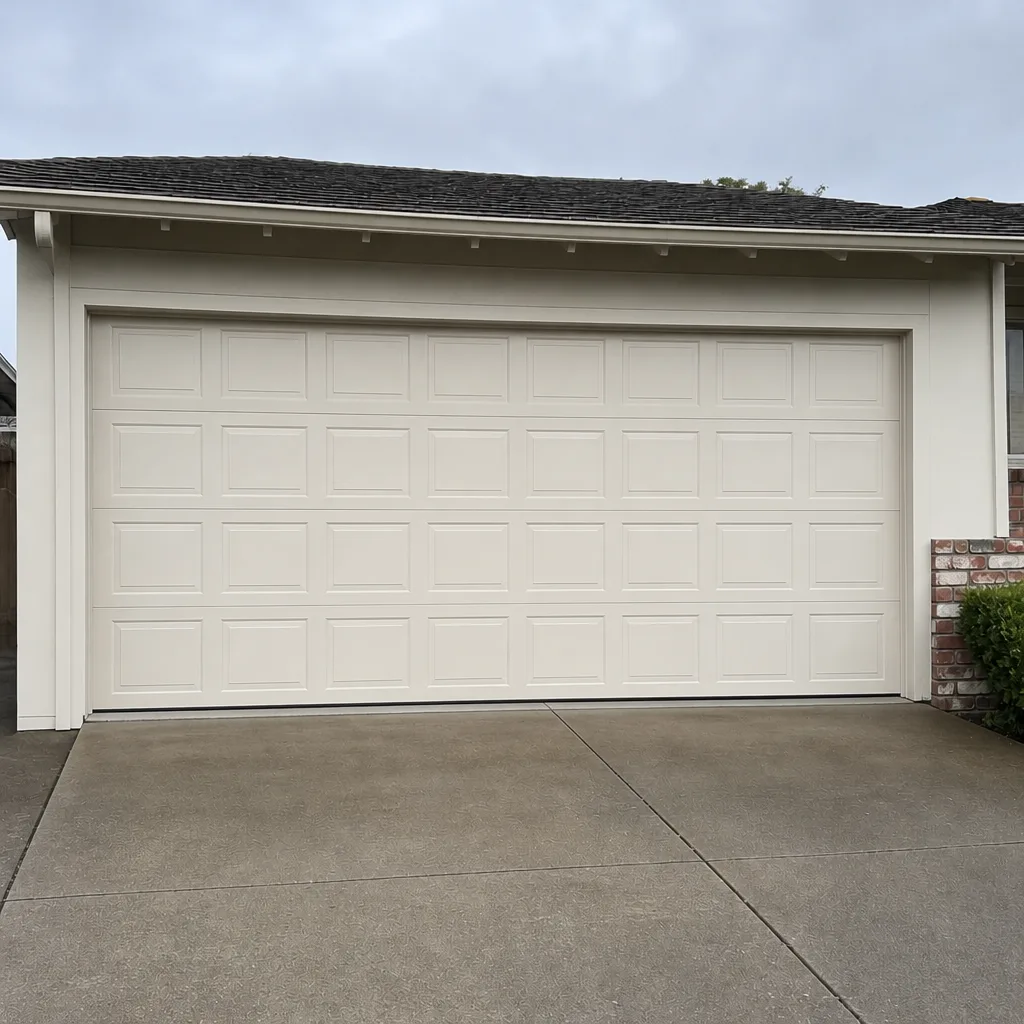
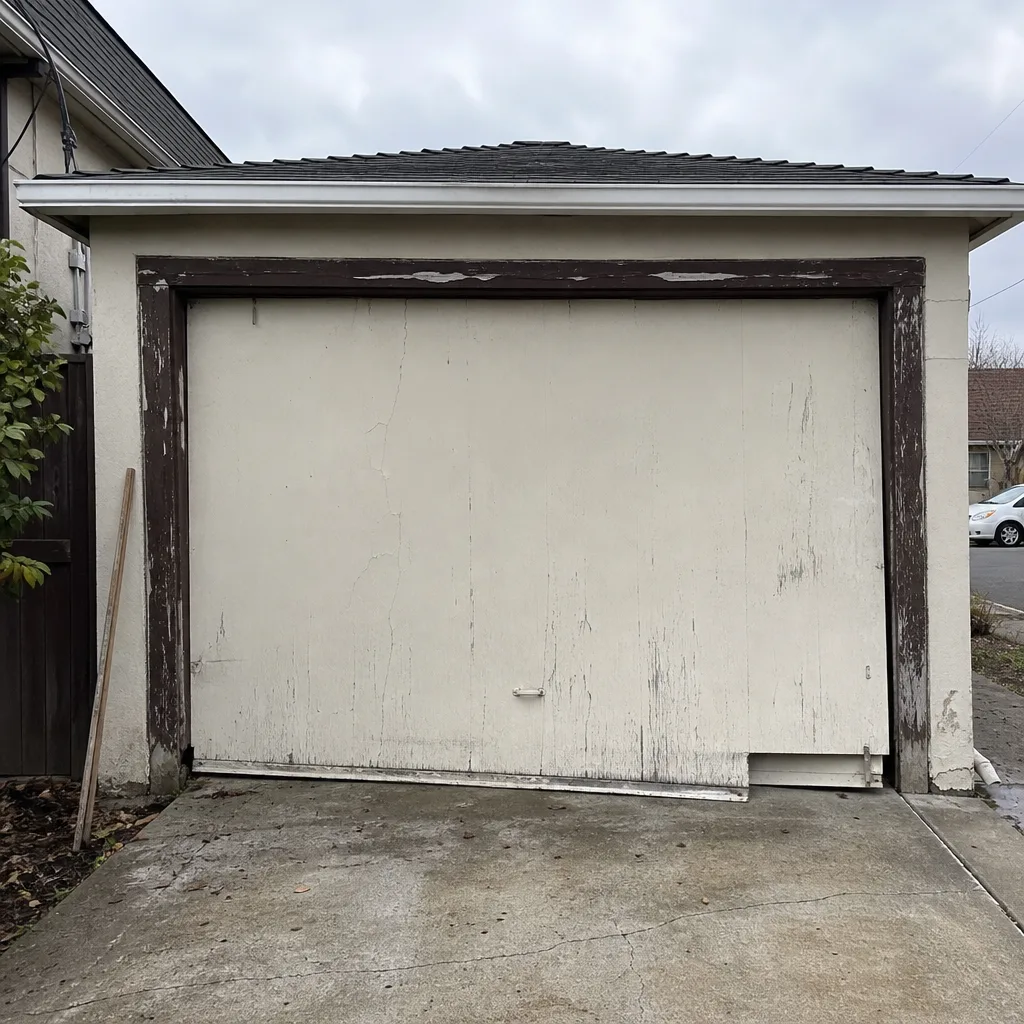
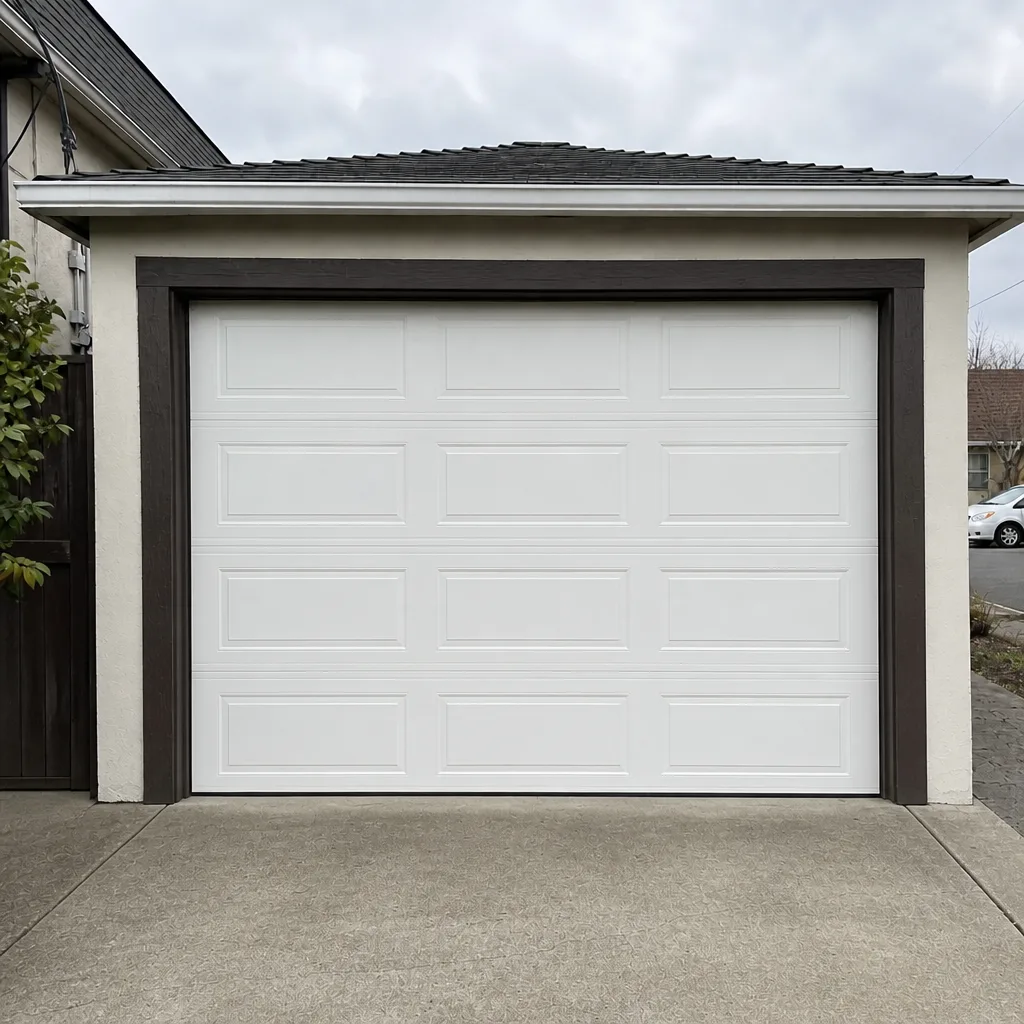
See the difference
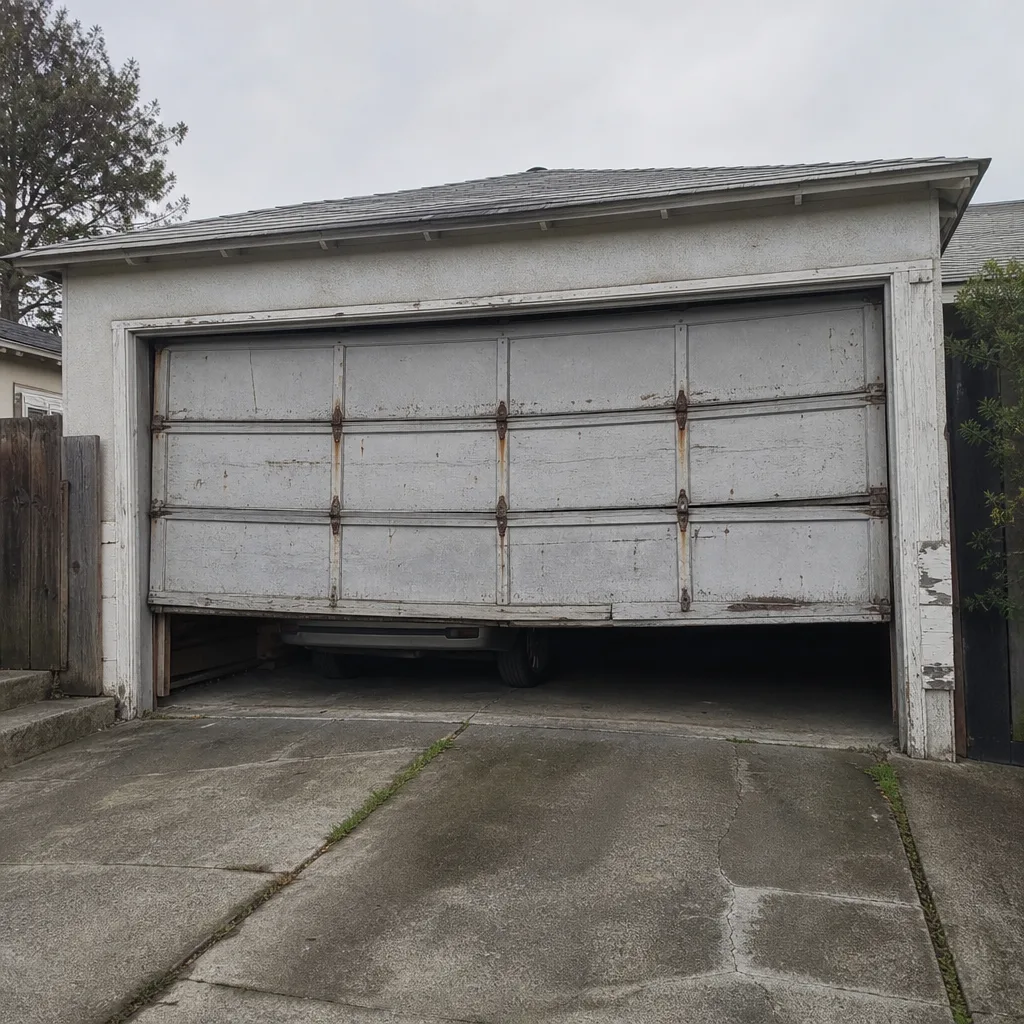 Before
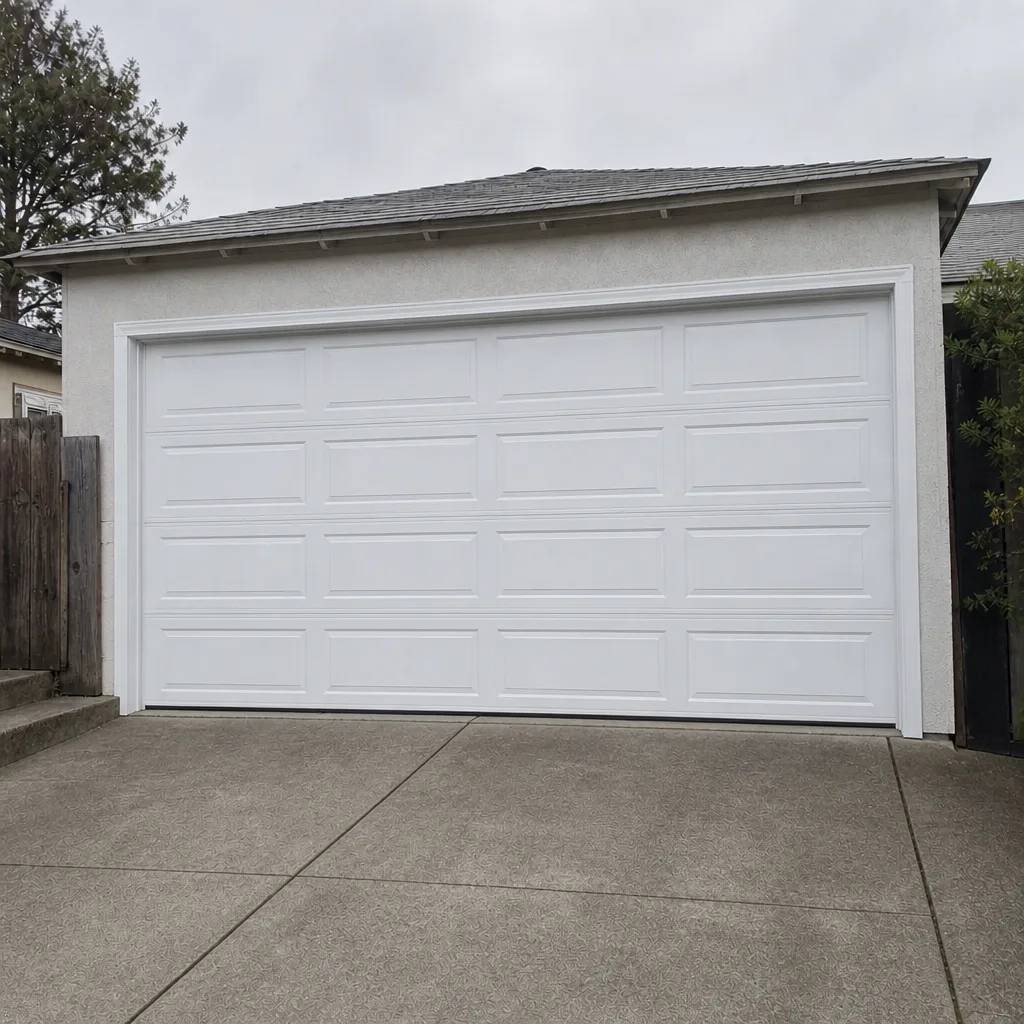 After
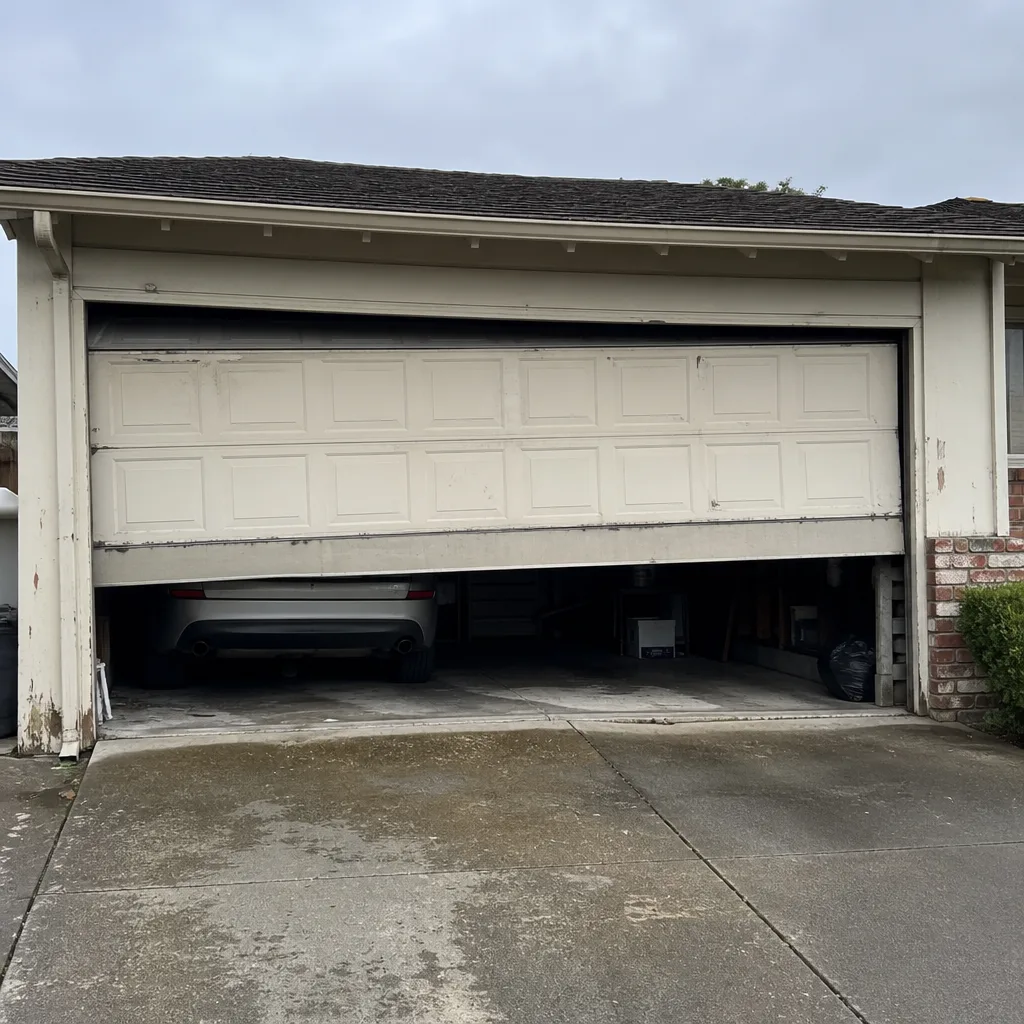 Before
 After
 Before
 After