
Last updated November 4, 2026
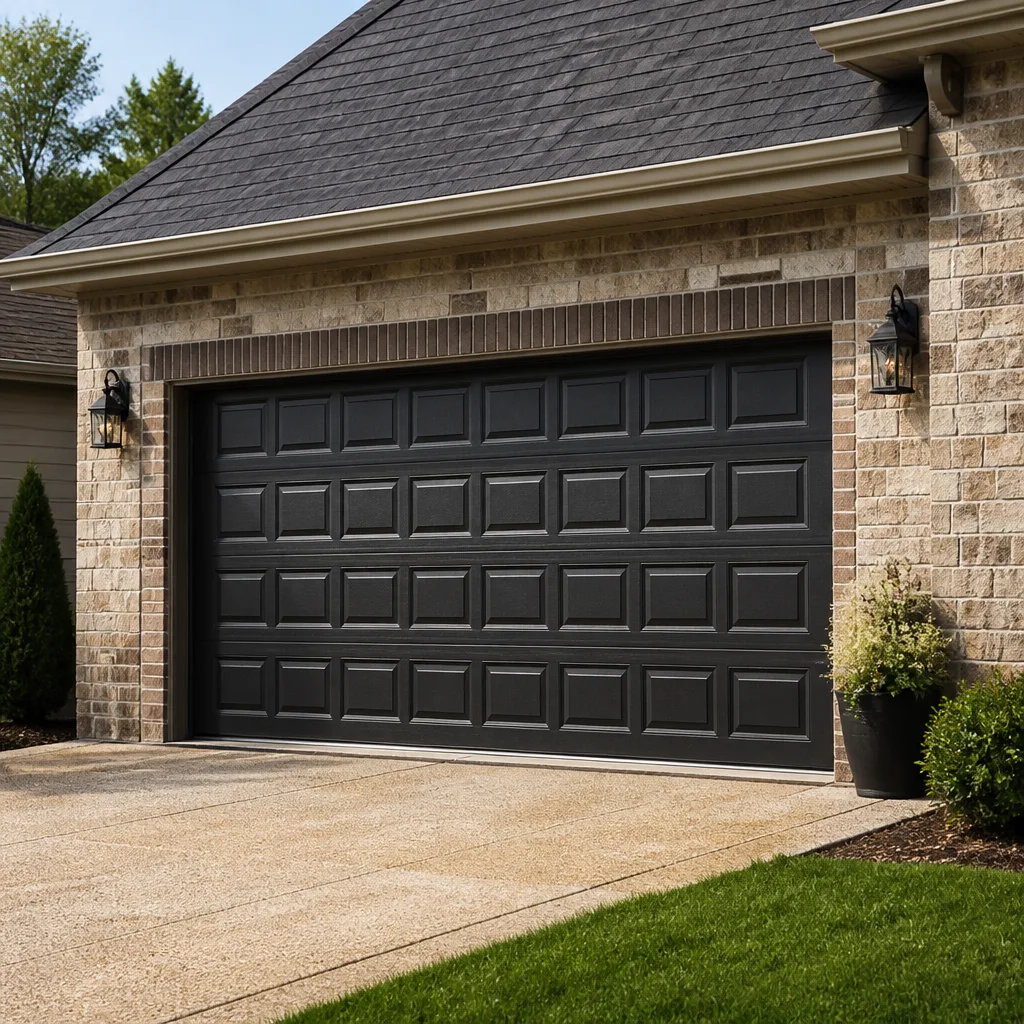 Raised-panel steel
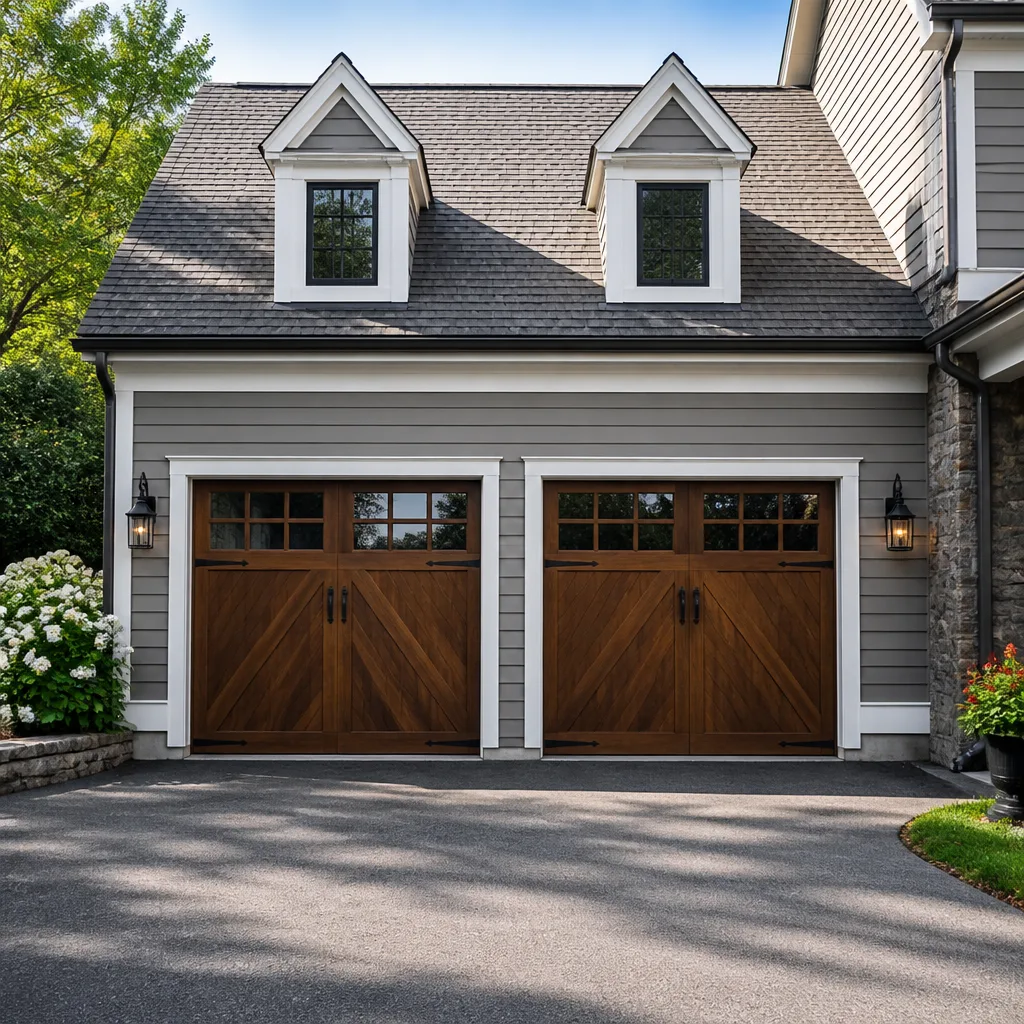 Carriage house
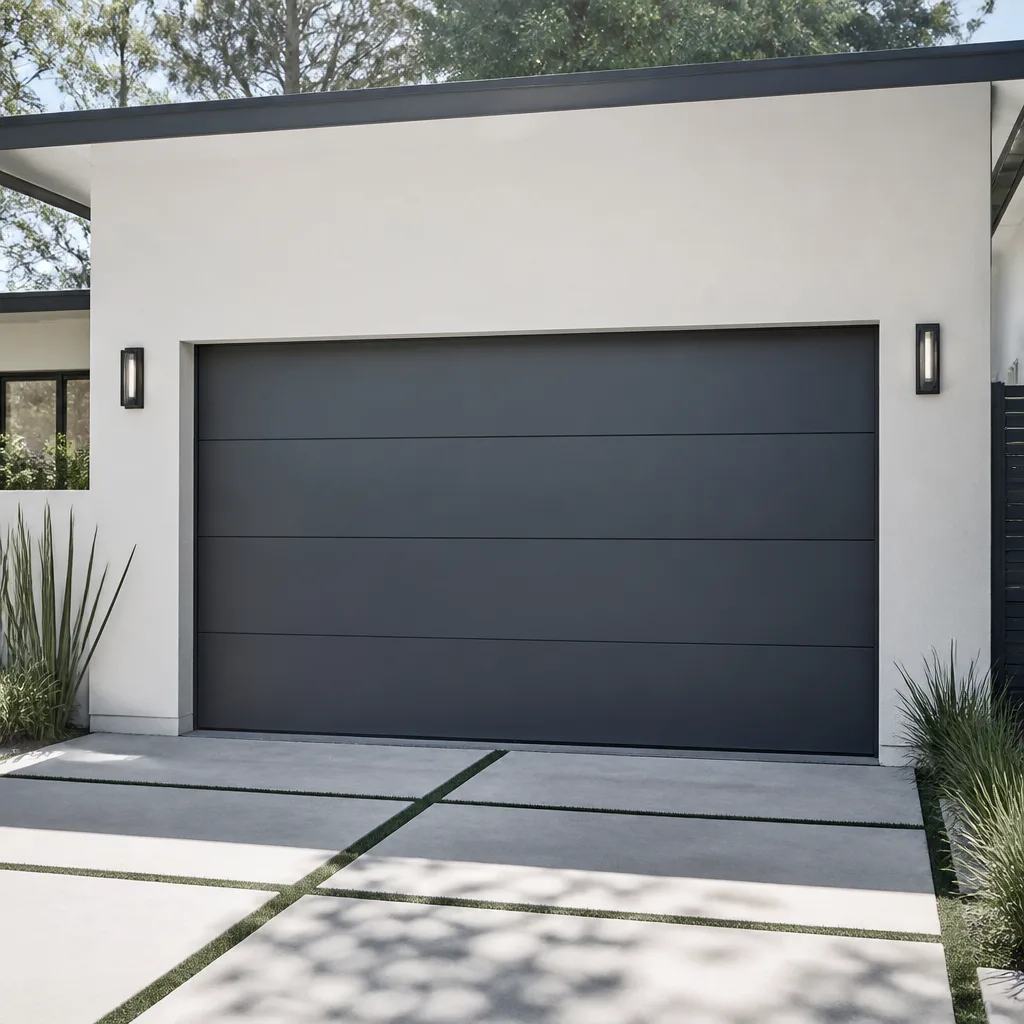 Modern flush
 Full-view glass
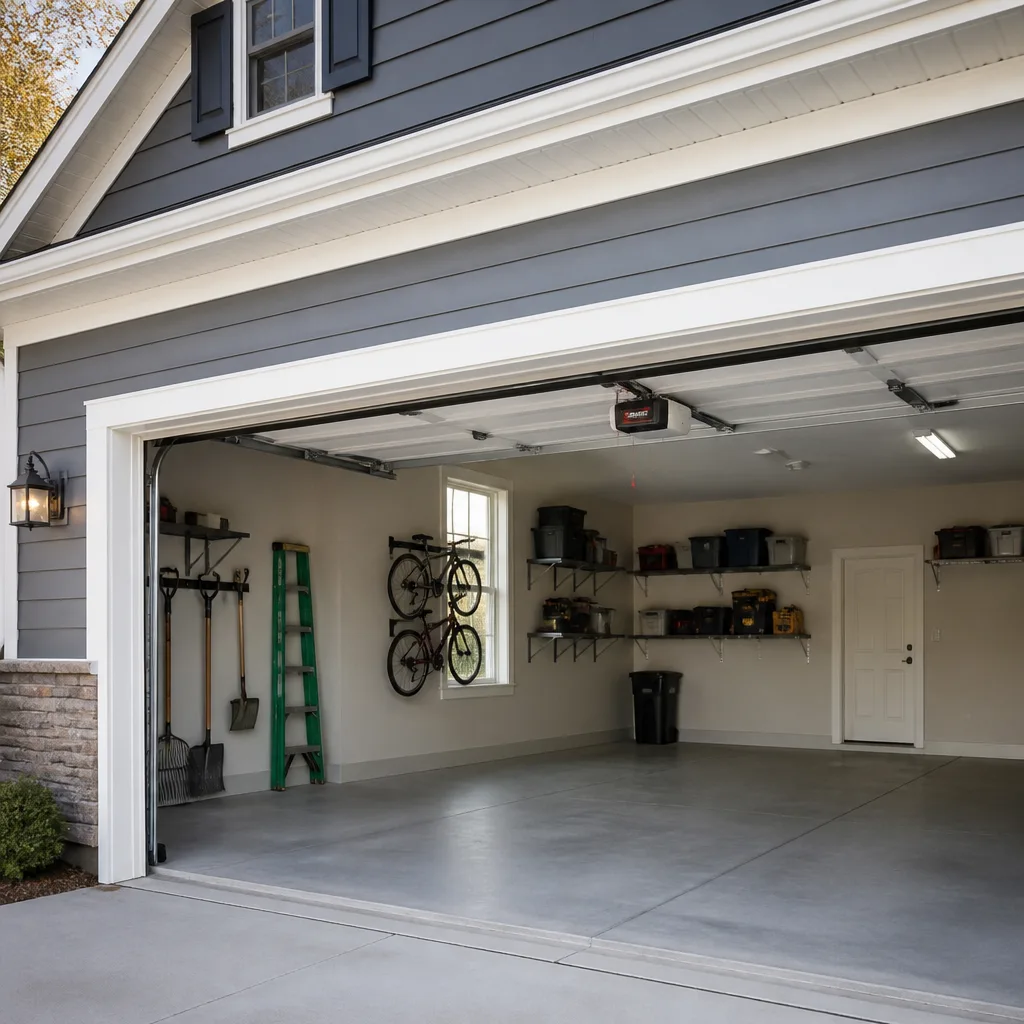 LiftMaster openers
 Chamberlain openers
Full 25-point door and opener safety check with every visit - springs, cables, rollers, tracks, and your LiftMaster or Chamberlain opener included
You get a price before we start. It does not change when the truck arrives.
Get your free estimateGarage Door Emergency Preparedness Guide for San Leandro Homes
Most San Leandro homeowners assume their garage door will work when they need it to. That assumption falls apart fast during a power outage, an earthquake, or a snapped spring. The 2019 Bay Area power shutoffs caught thousands of homeowners off guard when their automatic openers went dead and the release cord became the only way in or out. This guide teaches you how to test and operate your garage door’s emergency systems before you need them, what to check after seismic activity, and how to secure a door that fails open. We’ll cover the mechanical reality of a 300-pound moving part, not fear tactics. By the end, you’ll have a clear plan for keeping your San Leandro garage door functional and your family safe when infrastructure fails.
Quick Answer
Garage door emergency preparedness in San Leandro means knowing how to operate your opener’s manual release cord during a power outage, visually inspecting tracks and cables after any earthquake above 4.5 magnitude, and having your door model, opener brand, and spring type written down so repair diagnostics go faster. Test your manual release twice a year and confirm whether your opener has a battery backup. Most emergency calls we handle could have been avoided with a 15-minute seasonal check and a clearly labeled disconnect mechanism.
Styles & brands we work with
- Raised-panel steel
- Carriage house
- Modern flush
- Full-view glass
- LiftMaster openers
- Chamberlain openers
Table of Contents
- Manual Release Operation: What to Do When the Power Goes Out
- Earthquake Protocol: Inspecting Your Door After Seismic Events
- Battery Backup Openers: What Works and What to Expect
- Securing a Door Stuck in the Open Position
- Emergency Contact Protocol: Information That Cuts Diagnostic Time
- The Seasonal Garage Door Emergency Checklist
- Common Mistakes to Avoid
- When to Call a Professional
- Frequently Asked Questions
Manual Release Operation: What to Do When the Power Goes Out
Every automatic garage door opener has a manual release mechanism, and in San Leandro, where utility shutoffs and rolling blackouts are a known part of life in fire season, knowing how to use it is basic home safety. The release is almost always a red cord hanging from the trolley that connects your door to the opener rail. Pulling it disengages the opener motor so the door can be moved by hand. That’s the simple version. The reality is more specific, and it depends on your opener brand.
Here’s how manual release works on the openers most common in San Leandro garages:
- Pull the red cord straight down, then toward the door. You’ll hear or feel a click as the trolley releases from the opener carriage. On LiftMaster and Chamberlain units, the release is a T-handle at the end of the cord.
- Lift the door manually using the handle at the bottom edge. A properly balanced door should lift smoothly with one hand and stay open about three feet off the ground. If it feels heavier than usual or wants to drop, stop and see the spring warning below.
- To leave the door open, keep it in the fully raised position. The door will stay put if springs are healthy. If it starts drifting down, you have a spring problem.
- To re-engage the opener when power returns, pull the red cord backward toward the motor. Run the opener once with the door in the closed position to lock the trolley back in.
- On Genie openers, the release differs slightly. Some older Genie models use a pull-chain rather than a red cord handle. Either way, the motion is the same: pull to disengage, operate the door manually, then cycle the opener to re-engage.
If the door won’t stay up manually, you have a broken spring. A torsion spring that snaps under load removes the counterbalance that makes a 300-pound door feel like 30 pounds. The door may not lift at all, or it may lift a few inches and slam back down. Do not force it. A door with a broken spring can fall hard enough to injure anyone standing underneath. This is one of the few situations where the best emergency plan is to call a professional. Garage door repair in this condition requires spring replacement with the right tension for your door’s weight and size.
One thing we see repeatedly in San Leandro: homeowners discover their release cord has been painted over, tied up out of reach, or never installed properly. Test yours now, before an outage. If you can’t reach the cord without a ladder, or if pulling it doesn’t produce that distinct click, get it checked.
Earthquake Protocol: Inspecting Your Door After Seismic Events
San Leandro sits along the Hayward Fault, and any quake above about 4.5 can shift the door, the track, or the cable system enough to create a safety hazard. The protocol is simple: do not operate the door until you’ve visually inspected it. An automatic opener pulling a misaligned door through binding tracks can wrench hardware loose, strip gears, or drop a cable off its drum.
After a quake, check these five things before touching the wall button:
- Look at the vertical tracks on both sides. They should be straight and the gap between track and door edge should be even from floor to ceiling. Any visible bowing, twisting, or gap change means the track shifted.
- Check the horizontal tracks above the door. These are more likely to shift during lateral motion. A door that has jumped its rollers on the horizontal section will bind immediately when the opener runs.
- Inspect the lift cables. Both cables should be tight on their drums. A frayed or slack cable needs replacement before operation. A cable that breaks under load can whip and cause serious injury.
- Look at the spring system. Torsion springs should be intact with no visible gap at the coils. Extension springs should have safety cables running through them. Any gap or deformation means the spring has failed or is failing.
- Test the door by hand first. Pull the release cord and move the door manually through about a third of its travel. It should move smoothly with no scraping, popping, or resistance. If anything feels wrong, stop and call a specialist.
Garage doors in San Leandro homes range from lightweight single-car aluminum models to heavy double-wide wood or steel doors on older builds near Estudillo Estates and Broadmoor. The heavier the door, the more dangerous a post-earthquake failure becomes. A Clopay steel door weighs over 200 pounds without its counterbalance system working properly. Treat a post-quake inspection as non-negotiable routine, not optional caution.
Battery Backup Openers: What Works and What to Expect
Battery backup systems on garage door openers are designed exactly for the scenario San Leandro faces during utility shutoffs: the grid goes down, and you still need the door to open and close normally. These systems use a small rechargeable battery integrated into the opener housing. After a grid failure, the backup takes over automatically and powers the opener for a limited number of cycles.
On LiftMaster and Chamberlain models with battery backup, expect about 10 to 20 full open-and-close cycles depending on the door’s weight and the battery’s age. That’s typically enough to get through a one- or two-day outage if you’re not operating the door repeatedly. Genie’s battery backup systems run on a similar principle, with roughly 24 to 48 hours of standby time and enough capacity for several cycles during an outage.
The catch: battery backup does not mean unlimited operation. Every cycle draws the battery down significantly. If your San Leandro home is running on backup power during a shutoff and you need the garage door as your primary entry, plan to open and close it only when you actually need to. Every unnecessary cycle shortens your available runtime.
Here’s what to check on your current opener:
- Does your opener have a battery backup at all? Most openers installed before 2015 in San Leandro do not. If the unit has a battery symbol on the wall panel or the motor head, it likely has backup capacity.
- When was the battery last replaced? Opener backup batteries typically last 3 to 5 years. A battery that’s past its lifespan may fail within minutes during an outage, even if the door runs fine on grid power.
- Is the door weight compatible with the backup system? Battery backups work hardest on heavy double-wide doors. A Wayne Dalton insulated steel double door will drain the battery faster than a single lightweight door on the same opener.
If your opener doesn’t have a battery backup and you want one, the retrofit path depends on the opener model. Some LiftMaster and Chamberlain units accept a battery backup accessory kit. Most older Genie and Craftsman openers do not, which means the realistic option is replacement with a backup-capable unit. Garage door opener repair for that scenario involves assessing the door’s weight and balancing requirements before recommending a unit, because a backup system that can’t lift a heavy door is no backup at all.
Securing a Door Stuck in the Open Position
A garage door that fails open is a different emergency than one that won’t open. On a typical San Leandro street, an open garage is a visible invitation. Tools, bicycles, stored belongings, and interior access all sit exposed. During a power outage, when automatic openers are dead and the release cord is the only operating mechanism, the door may need to stay open while you work on the problem. Here’s how to secure it temporarily without a technician.
Vise grips on the track are the standard method. Clamp a locking plier onto the vertical track just above one of the rollers on each side. This physically blocks the roller from moving down the track, which keeps the door from closing. It does not secure the door against being lifted by an intruder, but it prevents accidental closure while you’re working inside the garage. This is the method we use when stabilizing a door mid-repair.
For overnight security with a door stuck open:
- Disconnect the opener. Pull the release cord so the door can’t be moved by the opener if someone tries to trigger it from a keypad or remote.
- Block the door from the inside. If the door is at full open position, drop a sturdy ladder or long board across the opening inside the garage, positioned so the door can’t physically come down past it.
- Lock any interior access door from the garage into the house. Most San Leandro attached garages have a fire-rated door. Make sure it’s locked from the house side.
- Remove visible valuables. If possible, move bicycles, tools, and anything portable out of the open garage area.
- Door brand and approximate age. Clopay, Amarr, Raynor, or Wayne Dalton. The brand is usually on a sticker on the interior of the bottom panel or inside the vertical track. Age matters because spring life, track design, and replacement part availability all depend on it.
- Opener brand and model. LiftMaster, Chamberlain, Genie, or Craftsman. The model number is on the motor head itself, usually on a silver or white label. This matters because opener-specific repairs like circuit board failures or travel-module problems require brand-specific parts.
- Spring type. Torsion springs are mounted across the header above the door. Extension springs are mounted on the sides along the horizontal tracks. Knowing which one you have helps the technician bring the right spring set on a repair call, because torsion and extension springs are not interchangeable.
- Door material. Steel, aluminum, or wood. Weight differences affect everything from spring sizing to opener capacity.
- Any recent changes. A new opener installed last month, a spring replaced three years ago, a door that’s been getting louder over the past week. Context like this points the diagnostic in the right direction.
- Test the manual release. Pull the red cord until it disengages, lift the door manually, and lower it back down. Then re-engage the opener by running it once. Do this with the door closed to avoid having to catch a falling door if the spring is weak.
- Check the door balance. With the opener disengaged, lift the door about halfway. A balanced door stays put. If it drops, the springs are wearing out and need replacement before an emergency makes the situation worse.
- Inspect cables visually. Look for fraying, kinks, or slack on both sides. Cable failure under tension is one of the most dangerous garage door emergencies.
- Listen to the opener. Run the door through a full open-close cycle. A smooth hum is normal. Grinding, ratcheting, or straining noises indicate a failing gear, belt, or chain sprocket.
- Test the safety sensors. With the door open, press the wall button and wave a foot in front of the sensor beam. The door should reverse immediately. If it doesn’t, the sensors are out of alignment or the logic board needs attention.
- Check the weatherstrip and bottom seal. San Leandro’s mild climate means this is about dust and debris rather than cold air. A cracked seal lets in leaves, dirt, and pests.
- If you have a battery backup, run the opener on battery alone. Unplug the opener from the wall and operate the door once using the battery. Then plug it back in. This verifies the backup actually works when needed.
- Never testing the manual release until an emergency. The first time you pull that red cord should not be during a blackout at night. Test it seasonally, know what it feels like when it disengages, and make sure it’s reachable.
- Operating the door immediately after an earthquake. Running an opener into a shifted track can do more damage in one cycle than the quake did. Inspect first, then operate manually, then use the opener.
- Forcing a door that won’t stay up. A door that drops from the open position has a broken or failing spring. Forcing it down by hand or with the opener risks a sudden fall and serious injury.
- Ignoring a noisy opener. A grinding LiftMaster or rattling Chamberlain isn’t just annoying. It’s the gear assembly stripping or the chain sprocket failing. Early repair is cheap. Total motor replacement is not.
- Not knowing your door and opener brand. In an emergency, every minute spent identifying equipment is a minute added to the dispatch. Write it down now and tape it to the garage wall.
- Using a garage door that runs on a dead battery backup as if nothing is wrong. A battery that fails during an outage means the door becomes a manual operation. If your opener has a battery warning light on, address it before shutoff season.
- Assuming the door can’t fall. A 300-pound door stays up because springs, cables, and tracks are all working together. When one component fails, the door can drop faster than you can react. Treat it with respect.
If the door is stuck at a partial open position, do not attempt to force it closed. A door that stalls halfway usually has a track obstruction, a broken spring, or a cable off its drum. Forcing it can bend panels, strip opener gears, or drop the door suddenly. Call a garage door specialist. The half-open position is the most dangerous condition on any garage door system.
On newer doors with smart openers, a stuck-open condition may also trigger an alert on your phone if you use a LiftMaster or Chamberlain unit with their app. That’s useful for awareness, but it doesn’t secure the door. The physical methods above are what actually prevent access.
Emergency Contact Protocol: Information That Cuts Diagnostic Time
When a garage door emergency hits in San Leandro and you need a repair, the phone call goes faster and the repair gets scheduled more accurately if you have certain details ready. We’re not talking about obscure part numbers. We’re talking about the basic identifying information that tells a technician what system they’re dealing with before they arrive.
Here’s what to have written down and stored somewhere you can access even when the power is out:
In our experience, this information shortens the time from phone call to actual repair by a meaningful margin. When a San Leandro homeowner tells us they have a Wayne Dalton 9100 with a Genie chain-drive opener and extension springs, we know exactly what parts to load on the truck. When they say “the garage door is broken” with no further detail, the first half hour of the visit goes to identification instead of repair.
For the door model, check the interior of the door panel near the bottom edge. For the opener, grab a flashlight and look at the motor head housing. Write it all down and tape it to the wall next to the interior garage door or store it in your phone’s notes app.
The Seasonal Garage Door Emergency Checklist
San Leandro doesn’t have harsh winters, so freeze-thaw cycles and ice damage are not local concerns. But the seasonal rhythm of summer heat, utility shutoff season, and the ongoing seismic risk means a regular garage door preparedness check is worth doing twice a year. Here’s a complete checklist that takes about 20 minutes.
This checklist is written for the homeowner who wants to catch problems early, not the person who wants to replace their own springs. Spring replacement is not a DIY job. The tension stored in a torsion spring can release with enough force to break bones or worse. The checklist is about verification, not repair. Any item that fails the check is a call to a specialist.
Common Mistakes to Avoid
When to Call a Professional
Some emergency situations are clearly beyond homeowner response. A snapped spring, a door off its tracks, a cable that has come loose from the drum, an opener that smokes or sparks: these all require a garage door specialist. The same goes for any post-earthquake damage where tracks are visibly bent or the door binds during manual operation. Homeowners should also call when a door fails during an outage and the manual release doesn’t work, because that usually means a spring or track failure, not just dead batteries.
Crestview Garage Door Repair offers free estimates in San Leandro. Call (855) 356-4591. We answer 24/7. Fast dispatch from 7am to 7pm, Sunday through Friday.
We work on the brands San Leandro homeowners actually have: LiftMaster, Chamberlain, Genie, and Craftsman openers; Clopay, Amarr, Wayne Dalton, and Raynor doors. One call covers the door and the opener. Repair or replace: we’ll tell you which one actually makes sense for your situation.
Frequently Asked Questions
Pull the red manual release cord hanging from the opener rail, which disengages the motor so you can lift the door by hand. If the door won’t lift or won’t stay up, the springs are likely broken and you should call a garage door specialist rather than forcing it. Call (855) 356-4591 for guidance: we answer 24/7.
On LiftMaster openers, the manual release is a red cord with a T-handle hanging from the trolley. Pull it straight down and toward the door until it clicks, then lift the door manually. To re-engage, pull the cord back toward the motor and run the opener with the door closed.
A door that won’t stay up manually has lost its counterbalance, which almost always means a broken torsion or extension spring. Do not try to force the door or prop it open long-term. This condition requires spring replacement by a trained technician.
Battery backup is strongly recommended for any San Leandro home, given the repeated utility shutoffs the East Bay has experienced. A backup-capable opener provides 10 to 20 cycles during an outage, enough for normal daily entry until the grid returns. Older openers without battery support can usually be upgraded by replacement.
After any quake above about 4.5, inspect both vertical tracks for bowing or gaps, check the horizontal tracks for roller jump, confirm both cables are tight on the drums, and look for any spring deformation. Test the door manually before running the opener.
Emergency garage door repair costs depend on what failed. Spring replacement typically runs $180 to $340 per spring in the San Leandro market, with matched pairs usually replaced together. Cable repair, opener repair, and track straightening each carry their own typical ranges. The estimate is free and the written estimate sets the final price. Call (855) 356-4591 for an exact quote.
The Bottom Line
Garage door emergency preparedness in San Leandro comes down to four things: know your manual release, inspect after every significant quake, verify battery backup if you have one, and write down your door and opener identification before you need it. None of this requires specialized equipment or mechanical skill. It requires attention and a seasonal 20-minute check. The door is a 300-pound moving part. It fails in predictable ways. The homeowners who handle emergencies well are the ones who planned for the failure before it happened. Crestview Garage Door Repair serves San Leandro with full-system expertise on eight major brands. When the emergency comes, you’ll know exactly who to call.
Written by the team at Crestview Garage Door Repair, serving San Leandro since 2014.
See the difference
 Before
 After
 Before
 After
 Before
 After