
Last updated November 4, 2026
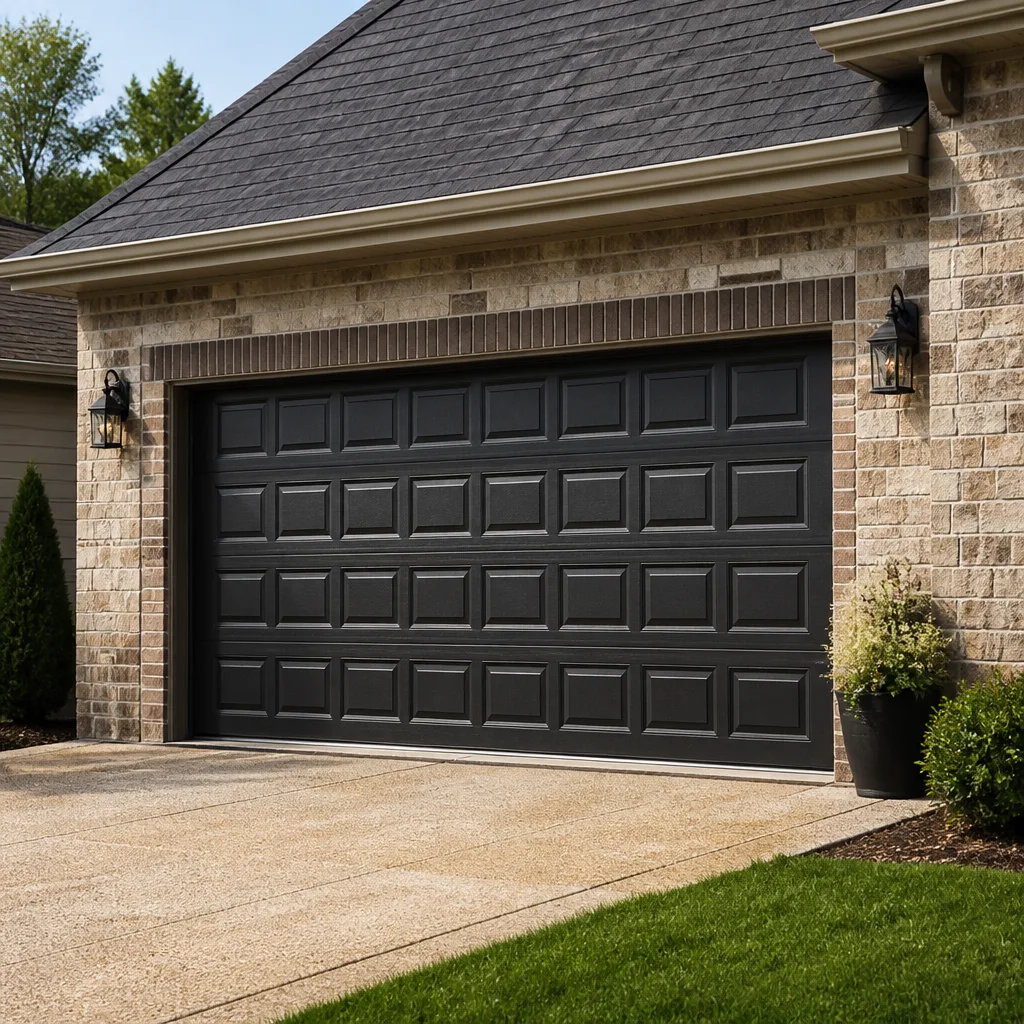 Raised-panel steel
 Carriage house
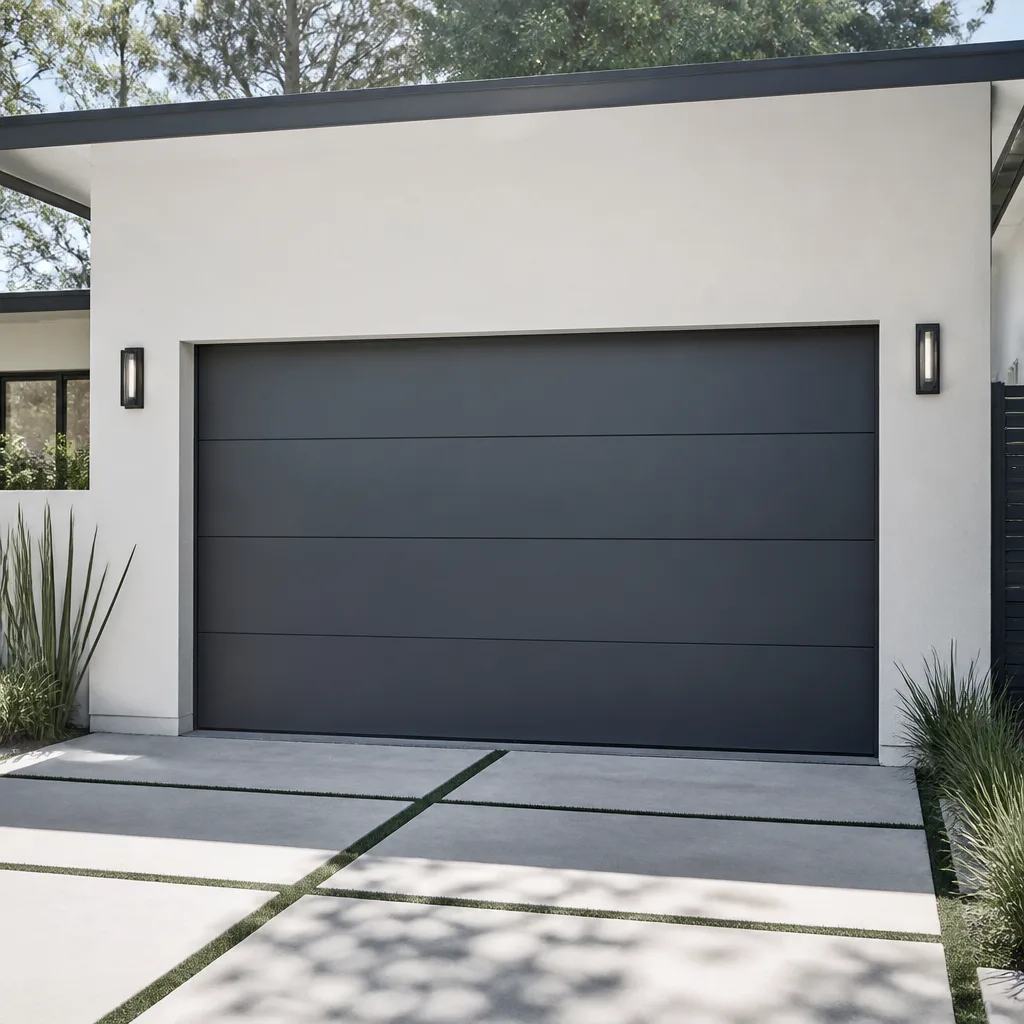 Modern flush
 Full-view glass
 LiftMaster openers
 Chamberlain openers
Full 25-point door and opener safety check with every visit - springs, cables, rollers, tracks, and your LiftMaster or Chamberlain opener included
You get a price before we start. It does not change when the truck arrives.
Get your free estimateGarage Door Repair Maintenance Schedule: What to Do and When
Most homeowners in San Leandro lubricate their garage door springs every month and call it maintenance. Then a cable snaps or a spring lets go, and they’re surprised. Here’s the mechanical reality: a garage door is a 300-pound moving part that cycles thousands of times a year, and the tasks that actually prevent failure are not the ones people enjoy doing. Lubricating your springs every month while never once checking the cable drum set screws is like rotating your tires religiously and ignoring brake wear. Effort without priority. This guide gives you the right task at the right interval, with the reasoning behind each one, so you can stop guessing and start tracking what actually matters.
Styles & brands we work with
- Raised-panel steel
- Carriage house
- Modern flush
- Full-view glass
- LiftMaster openers
- Chamberlain openers
Quick Answer
A garage door needs a 30-day visual and lubrication pass on moving metal parts, a 6-month fastener and balance check, and an annual full-system inspection covering springs, cables, tracks, rollers, and the opener’s force and travel limits. The annual balance test tells you whether your torsion springs are wearing toward failure. Most homeowners can handle the 30-day and 6-month tasks safely; the annual spring and cable work should involve a trained professional.
Table of Contents
- The 30-Day Maintenance Pass: What to Do and Why
- The Lubrication Matrix: What Gets Silicone, What Gets Lithium, What Gets Nothing
- The 6-Month Inspection: Fasteners, Fasteners, Fasteners
- The Annual Balance Test: Reading Spring Wear Mechanically
- How San Leandro’s Climate Affects Your Door’s Maintenance Needs
- Opener Maintenance: The Part Most Schedules Skip
- A Printable Sign-Off Checklist That Works
- Common Mistakes to Avoid
- When to Call a Professional
- Frequently Asked Questions
- The Bottom Line
The 30-Day Maintenance Pass: What to Do and Why
The monthly pass is about catching what’s changing, not fixing what’s broken. Your garage door is the largest moving object in your home, and in San Leandro’s older housing stock, many doors cycle twenty or more times a day. That’s over 7,000 cycles a year. At that rate, small problems become big ones fast.
Here’s what a 30-day pass actually involves, in order:
- Watch one full open and close cycle. Stand inside the garage and watch the door move. Listen for grinding, rattling, or a rhythmic thump. Look at whether the door hesitates, jerks, or shakes at any point. This takes 30 seconds and catches most developing problems before they’re audible from inside the house.
- Check the rollers. Look at each roller where it meets the track. Nylon rollers wear quietly; steel rollers wear loudly. If a roller is wobbling, cracked, or not spinning, mark it for replacement. A seized roller wears the track and loads the opener motor.
- Wipe the photo-eye lenses. The two small lenses near the bottom of each track get dust and spider webs on them. Wipe them with a dry cloth. A dirty lens is the most common cause of a door that reverses for no reason, and it’s the cheapest fix in the book.
- Inspect the bottom seal. Run your hand along the rubber seal at the door’s bottom edge. Look for cracks, flattening, or gaps where it meets the floor. In San Leandro, a torn bottom seal lets bay fog moisture, dust, and pests into the garage. The seal is sacrificial; replace it when it’s no longer making consistent contact.
Notice what’s not on this list: lubricating the springs every month. That’s the most common mistake we see. Springs don’t need monthly lubrication. They need the right lubrication at the right interval, and over-lubricating them is how you attract dirt and grit into the coil gap. More on that below.
Why 30 days specifically?
Thirty days is the interval that catches a developing roller or track problem before it loads the springs unevenly. A garage door is a balanced system. When one roller binds, the door tilts slightly in the track, and that tilt shifts load onto one spring more than the other. Torsion springs are rated for a specific cycle count under even load. Uneven load shortens that count. The monthly pass is cheap insurance against an uneven-load failure that costs hundreds to fix.
The Lubrication Matrix: What Gets Silicone, What Gets Lithium, What Gets Nothing
If you remember one thing from this entire guide, make it this: not everything that moves gets lubricated, and not everything that gets lubricated gets the same lubricant. Using the wrong product is worse than using none.
Here’s the matrix, based on how each component actually wears:
| Component | Lubricant | Frequency | Notes |
|---|---|---|---|
| Torsion springs | Silicone spray or garage-door-specific spring lube | Every 6 months | Light coat only. Over-lubrication attracts grit. |
| Extension springs | Silicone spray | Every 6 months | Same as torsion. Wipe excess. |
| Hinges | White lithium grease | Every 6 months | Small dab on each pivot pin. Wipe the surrounding area first. |
| Rollers (steel, unsealed bearings) | White lithium grease or garage-door roller lube | Every 6 months | Do not over-apply. Sealed nylon rollers need no lubrication. |
| Track (vertical and horizontal) | Nothing | Never | Tracks are guides, not wear surfaces. Lubricating them attracts dirt and causes roller slip. |
| Bottom seal | Nothing | Never | Clean it with mild soap and water. Lubricants degrade the rubber. |
| Photo-eye lenses | Nothing | Never | Dry cloth only. Any lubricant or cleaner leaves a film that scatters the beam. |
| Opener chain or screw | As specified by the manufacturer | Annually | LiftMaster and Chamberlain chain drives have specific lube points. Genie screw drives need a specific grease. Check your manual. |
The biggest mistake on this list is spraying the track. It seems logical, but a garage door roller is designed to roll on the track, not slide. Lubricating the track makes the roller slide instead of roll, which flattens the roller over time and creates a sticky, dirty mess. If a technician ever sprays your tracks, find a different technician.
The second biggest mistake is using WD-40 on springs. WD-40 is a water displacer and light penetrant, not a lubricant for high-cycle metal parts. It flashes off quickly and leaves springs dry within weeks. Use a silicone spray or a product made specifically for garage door springs.
The 6-Month Inspection: Fasteners, Fasteners, Fasteners
Every six months, the priority shifts from observation to mechanical verification. This is the interval where a torque check on fasteners catches what visual inspection cannot. A garage door vibrates every single time it operates. Vibration loosens things. The six-month pass is about tightening what has loosened before it creates a cascade.
Here’s the six-month sequence:
- Close the door and unplug the opener. Never work on a door with the opener connected. Pull the release cord to disconnect the door from the opener carriage, then unplug the opener from the outlet.
- Check every hinge bolt. Hinges hold the door panels together and transfer the door’s weight to the rollers. A loose hinge bolt lets a panel flex, and a flexing panel can crack or bend. Use a socket and check each bolt on each hinge. They should be snug, not over-tightened.
- Check the track brackets. The brackets that hold the vertical and horizontal track to the wall and ceiling take constant vibration load. Check each bracket bolt. If a bracket has loosened, the track can shift out of alignment, and a misaligned track binds rollers.
- Check the cable drum set screws. The cable drums sit on the torsion shaft above the door. Each drum has set screws that hold it in position. If a set screw loosens, the drum can slip, the cable can loosen, and the cable can jump the drum. This is one of the highest-stakes checks on the entire door, and it’s the one most schedules skip. The set screws must be tight.
- Check the spring anchor brackets. The torsion springs are anchored to the wall or center bracket. These anchors take the full spring torque. Check that the anchor bolts are tight and the spring end cones are seated properly.
- Test the opener’s auto-reverse. Lay a 2×4 flat on the floor under the door’s path, then close the door. The door should reverse within a few seconds of contacting the board. If it doesn’t, the force setting is too high or the photo-eyes are misaligned. Both are fixable, and both are safety-critical.
The six-month pass takes 30 to 45 minutes and requires basic hand tools: a socket set, a wrench, and a flashlight. It’s the single highest-value maintenance session you can do, because it’s the one that catches the fasteners that hold the dangerous parts in place.
Why 6 months specifically?
It’s the practical sweet spot between catching loosening fasteners before they fail and not spending every weekend under the door. A fastener that’s going to loosen from vibration will typically do it within a few hundred cycles, which a busy San Leandro household hits in four to six months. Checking every six months catches the loosening at the “tighten me now” stage, before it becomes the “replace the bent track” stage.
The Annual Balance Test: Reading Spring Wear Mechanically
The annual balance test is the single most informative diagnostic you can perform on a garage door. It tells you, in about two minutes, whether your torsion springs are still doing their job or whether they’re worn to the point of impending failure. Here’s how it works and, more importantly, how to read the result.
How the test works
- Close the door completely.
- Unplug the opener and pull the release cord to disconnect the door from the carriage.
- Lift the door manually to about waist height, roughly halfway through its travel.
- Let go.
A healthy, properly balanced door stays right where you left it. It doesn’t drift up, and it doesn’t drop. The spring is holding the door’s weight in equilibrium at mid-travel.
How to read the result
Door drifts upward: The springs are over-wound or have been adjusted for a heavier door than you currently have. Over-wound springs are not a safety issue in the same way as under-wound springs, but they make the door hard to close manually and force the opener to work harder on the down cycle. More importantly, over-tension means the springs are carrying more load than they were rated for, which shortens their cycle life.
Door drops or falls: The springs are under-wound or, more likely at the annual interval, they’ve worn. Torsion springs lose force as they approach the end of their rated cycle life. A spring rated for 10,000 cycles that’s at cycle 9,000 is holding maybe 10 to 15 percent less force than it did new. That’s enough to let the door sag. When you see a mid-travel sag that wasn’t there six months ago, the spring is entering its failure window.
Door drifts to one side: One spring is wearing faster than the other. This is a stronger signal than a straight sag. On a paired-spring system, one spring wearing faster means the load is shared unevenly, and the remaining spring is now carrying more than its rated share. A door that was sagging evenly at last year’s check and now drops to one side is a door with a spring that’s near the end.
We perform this test on every service call in San Leandro, and it’s the single most reliable predictor of a spring failure we have. If your door fails the annual balance test, the fix is a spring replacement, not an adjustment. Adjusting a worn spring to compensate for lost force shortens its remaining life dramatically and creates a false sense of security.
How San Leandro’s Climate Affects Your Door’s Maintenance Needs
San Leandro’s weather pattern is specific, and it affects your garage door in ways that a general maintenance guide written for the national market won’t tell you. The relevant fact is the daily temperature swing: bay fog mornings that keep metal cool and damp, followed by warm, dry afternoons. That cycle repeats most days from late spring through early fall.
Here’s what that does to the metal that matters:
Torsion springs and daily thermal cycling. Steel expands slightly when it warms and contracts when it cools. A torsion spring in San Leandro goes through a small thermal expansion-and-contraction cycle every single day the fog rolls in and burns off. One cycle is nothing. Thousands of cycles, layered on top of the mechanical cycling from normal door operation, contribute to metal fatigue at a marginally faster rate than a door in a drier inland climate with a smaller daily swing. The practical effect: San Leandro springs tend to wear toward the lower end of their rated cycle life. Your annual balance test matters more here than it would in a climate with a smaller daily swing.
Fog moisture and bare steel. Morning fog pushes humidity up, and any bare steel on the door or hardware picks up a fine surface moisture that lingers until the afternoon warmth dries it. Components that are painted or powder-coated don’t care. Bare steel does. The place this shows up most often is the inside surface of older steel doors that have lost their factory finish, and exposed hardware on doors that were installed decades ago. The six-month fastener check is your chance to catch surface rust on bolts and brackets before it becomes pitting.
What San Leandro does NOT have. No freeze-thaw cycles, no snow load, no road-salt corrosion from winter driving. The mechanical wear on a San Leandro garage door comes from fog-damp mornings, warm afternoons, and the simple accumulation of cycles. That makes the maintenance schedule simpler, not more complicated: the 30-day pass catches the slow stuff, the 6-month pass catches the fasteners, and the annual test catches the springs.
Opener Maintenance: The Part Most Schedules Skip
Every garage door maintenance guide covers the door. Almost none cover the opener. That’s a gap, because your opener is a motor, a gearbox, a travel-limit mechanism, and a safety-reversal system all in one unit, and each of those sub-systems has its own maintenance requirement.
We work on garage door opener repair across LiftMaster, Chamberlain, and Genie systems, and the maintenance needs are surprisingly consistent across all three:
Chain-drive openers: The chain stretches slightly over its service life. A stretched chain produces a slapping noise against the rail, especially on the down cycle. Check the chain tension annually and adjust per the manufacturer’s specification. On LiftMaster and Chamberlain units, the chain should have roughly a half-inch of deflection at the midpoint. Too tight loads the sprocket and motor; too loose lets the chain slap and eventually jump.
Screw-drive openers: Genie screw-drive units need the screw lubricated annually with a specific screw-drive grease. Do not use general-purpose grease. It’s too thick and loads the motor. The screw itself should be cleaned before re-lubricating. If the unit has been run dry for a long time, you’ll hear a grinding noise, and that’s the screw wearing against the carriage.
Force settings and travel limits: Every opener has adjustable force and travel settings. Over time, the door’s weight shifts slightly as springs wear, and the opener’s original settings no longer match reality. If the opener is working harder than it should, the motor runs hotter and the gears wear faster. The annual inspection should include a force-setting check: the door should reverse with light resistance and stop at the correct fully-open and fully-closed positions. If your LiftMaster won’t close all the way or your Genie reverses mid-travel, the travel limit or force setting is usually the culprit, not the motor.
The opener is part of the door’s system. A well-maintained door makes the opener’s job easy. A neglected door makes the opener work harder. We see openers that burn out their gears early because the door they were lifting was out of balance, and the motor was compensating. Fix the door, and the opener lasts years longer. One call covers the door and the opener, which is the whole point of thinking about it as one system.
A Printable Sign-Off Checklist That Works
The problem with most maintenance schedules is that they’re narrative. You read them, you nod, and you forget. A sign-off checklist works differently: it creates a record, and a record lets you spot a component trending toward failure across inspections. Here’s the format we recommend. Print it, put it on the wall next to the door, and mark each pass.
30-Day Pass (1 minute)
- Watched one full cycle: unusual noise? hesitation? jerky movement? ____
- Photo-eye lenses wiped with dry cloth: ____
- Bottom seal checked for cracks or gaps: ____
- Rollers visually checked for wobble or wear: ____
6-Month Pass (30-45 minutes)
- Door closed, opener unplugged, release pulled: ____
- Hinge bolts checked and snug: ____
- Track bracket bolts checked and snug: ____
- Cable drum set screws checked and tight: ____
- Spring anchor brackets checked: ____
- Springs lubricated with silicone spray (light coat): ____
- Hinges and steel rollers lubricated with white lithium: ____
- Opener force and travel settings checked: ____
Annual Pass (add to 6-month pass)
- Balance test performed at mid-travel: result ____ (held / drifted up / dropped / drifted side)
- Opener chain tension or screw lubrication checked per manufacturer: ____
- All rollers inspected for flat spots or seized bearings: ____
- Cables inspected for fraying along their full length: ____
- Springs inspected for coil gaps, rust, or deformation: ____
Keep the completed sheets. When a component shows a change in two consecutive passes, that’s your trend line. A roller that’s been marked “wobbling slightly” for six months and then “wobbling badly” on the next pass is telling you something specific. Replace it before it takes the track with it. The record is what turns a maintenance schedule from a good intention into a diagnostic tool.
Common Mistakes to Avoid
- Lubricating the tracks. This is the most common garage door mistake in San Leandro, and it’s the one that does the most cumulative damage. Tracks are guides, not wear surfaces. Lubricant on a track attracts dirt, creates a paste, and makes rollers slide instead of roll. If you’ve already sprayed the tracks, wipe them down with a dry rag and don’t do it again.
- Using WD-40 on springs. WD-40 is a penetrant and water displacer. It flashes off and leaves the spring dry within weeks. Use silicone spray or a garage-door-specific spring lubricant.
- Checking the door only when it makes noise. Most developing problems are quiet. A loose cable drum set screw makes no noise until the cable jumps and the door comes off track. A sagging spring makes no noise until it snaps. The schedule exists because the failure modes don’t announce themselves.
- Adjusting springs without a winding bar. Torsion springs hold enormous tension. Adjusting them without proper winding bars and a deep understanding of the mechanism is one of the most dangerous things a homeowner can attempt. Never put a screwdriver in a winding cone. Never loosen a set screw on a spring under tension. This is the one area where “call a professional” is not a suggestion.
- Ignoring the opener when the door works fine. A door that opens and closes on command is not necessarily a door that’s operating correctly. The opener may be compensating for a door that’s out of balance, and the motor is working harder than it should. The annual force-setting check is how you catch that before the opener’s gears strip.
- Cranking up the force setting to fix a reversing door. If the door reverses when it shouldn’t, the answer is almost never more force. It’s a misaligned photo-eye, a dirty lens, or a travel limit that’s set wrong. Turning up the force overrides a safety system and converts a nuisance into a hazard.
- Treating maintenance as optional until something breaks. The cost math is simple: a 30-day pass is free, a 6-month pass is 45 minutes, and an annual balance test catches a spring before it fails. A snapped spring, a jumped cable, or a bent track costs real money and takes your door out of service. The schedule is cheaper than the alternative.
When to Call a Professional
There are tasks in this schedule that a careful homeowner can handle, and there are tasks that should involve someone who works on garage doors every day. The line is drawn at anything that involves spring tension, cable tension, or opener electronics. If your door fails the annual balance test, call a professional. If a cable is frayed, call a professional. If the opener’s force and travel settings don’t respond to adjustment, call a professional. If you’re not sure whether a fastener is doing what it should be doing, call a professional. The stakes on garage door work are not like other home repairs: the parts are heavy, the springs are loaded, and the failure mode is a 300-pound door coming down uncontrolled. garage door repair is not the place to learn by trial and error. Crestview Garage Door Repair offers free estimates in San Leandro. Call (855) 356-4591. We answer 24/7. Fast dispatch from 7am to 7pm, Sunday through Friday.
Frequently Asked Questions
Lubricate the springs, hinges, and unsealed rollers every six months. Do not lubricate the tracks, the bottom seal, or the photo-eye lenses. Use silicone spray on springs and white lithium grease on hinges and steel rollers. If you have sealed nylon rollers, they need no lubrication at all.
The annual balance test is the most reliable indicator. Pull the release cord with the door closed, lift the door to mid-travel, and let go. If the door stays put, the springs are doing their job. If it drifts down, drifts up, or drops to one side, the springs are wearing and should be replaced. A visual check for coil gaps or rust on the spring body is a secondary indicator. Call (855) 356-4591 for a spring inspection in San Leandro.
Yes. The balance test itself is safe and takes about two minutes. Close the door, unplug the opener, pull the release cord, and lift the door to waist height. The risk is not in the test; it’s in what you might do with the result. If the test shows a problem, do not attempt to adjust the springs yourself. That work requires winding bars and specific training.
Wipe the photo-eye lenses with a dry cloth first. A dirty lens is the most common cause of phantom reversal. If that doesn’t fix it, check that the photo-eyes are aligned: both lights should be solid, not blinking. If the lenses are clean and aligned and the door still reverses, the force setting or travel limit may be the issue. That’s an opener adjustment call, and it’s one of the most common garage door opener repair problems we see in San Leandro.
Torsion springs are rated for a specific cycle count, typically 10,000 cycles on standard springs and up to 20,000 on high-cycle springs. In San Leandro, a busy household that cycles the door 20 times a day accumulates over 7,000 cycles a year, which means a standard spring is approaching its rated life in roughly 12 to 15 years. The daily fog-to-sun temperature swing we get in the bay area adds a small amount of thermal fatigue that can trim that window slightly. The annual balance test is how you track where your springs are in their life.
Some home warranties cover garage door repair, but maintenance is almost never covered. If you have a warranty question, check your policy documents. The maintenance in this guide is preventive and low-cost, and it reduces the odds of needing a warranty claim in the first place. If a component is wearing toward failure, catching it on a 6-month pass is cheaper than a warranty deductible and faster than a claims process.
The Bottom Line
A garage door maintenance schedule is not about doing more work. It’s about doing the right work at the right interval and skipping the tasks that waste time or do harm. The 30-day pass catches developing problems while they’re still cheap. The 6-month pass verifies the fasteners that hold the system together. The annual balance test reads your springs’ remaining life before they fail. Everything else is noise. In San Leandro, where the fog-and-sun cycle adds a specific kind of wear to garage hardware, following this schedule is the difference between a door that lasts 15 quiet years and a door that surprises you with a snapped spring on a Sunday morning. If you’d rather have someone else keep the schedule, Crestview Garage Door Repair works on the brand you already have, from Clopay and Amarr doors to Genie and Wayne Dalton systems, and we can set up the annual inspection for you. Call (855) 356-4591 for a free estimate. We answer 24/7. Fast dispatch from 7am to 7pm, Sunday through Friday.
Written by the team at Crestview Garage Door Repair, serving San Leandro since 2014.
See the difference
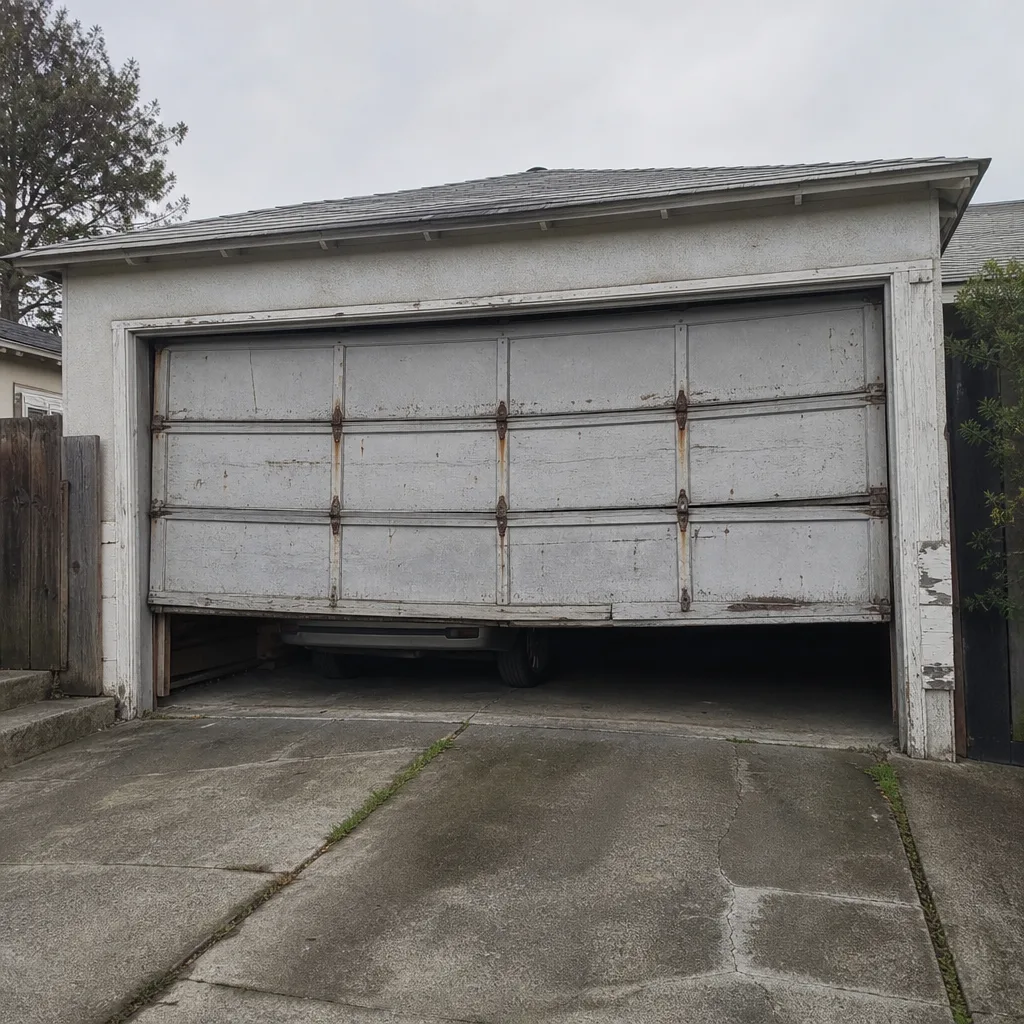 Before
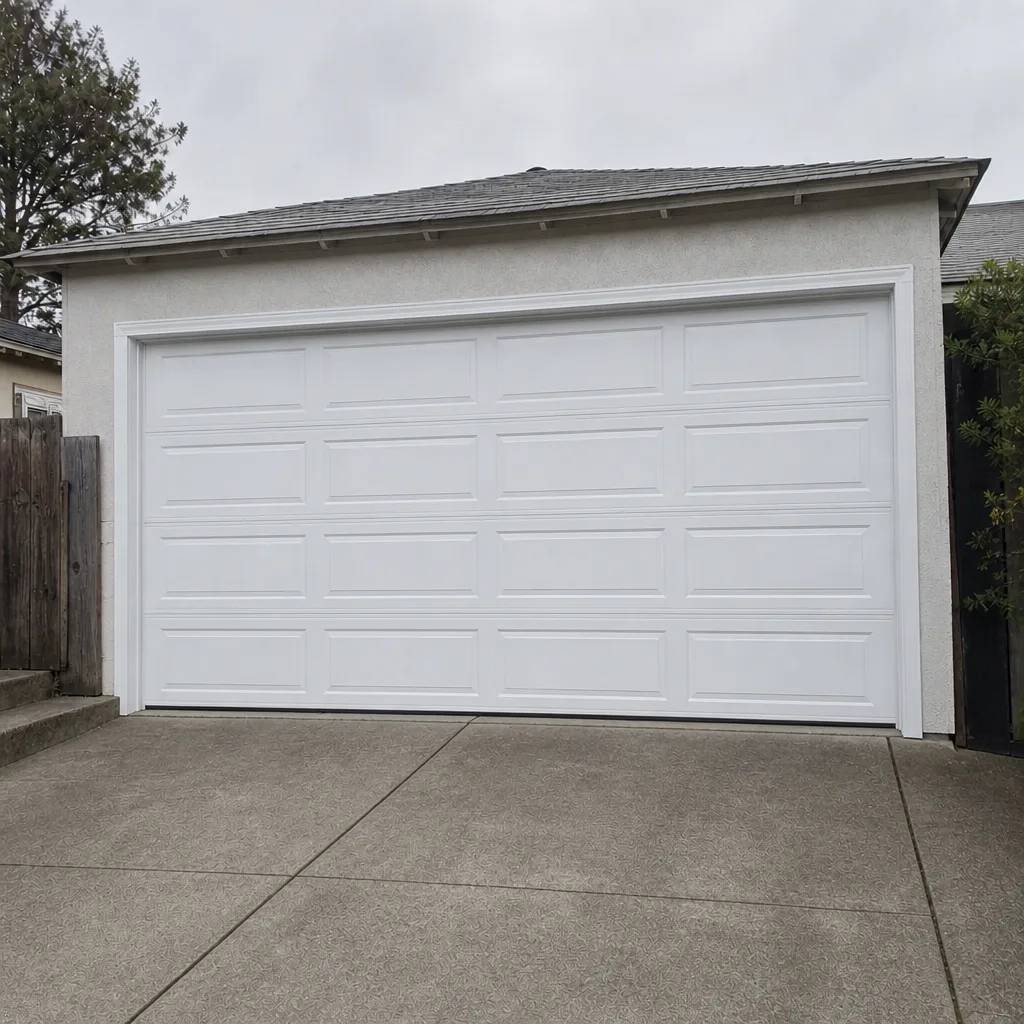 After
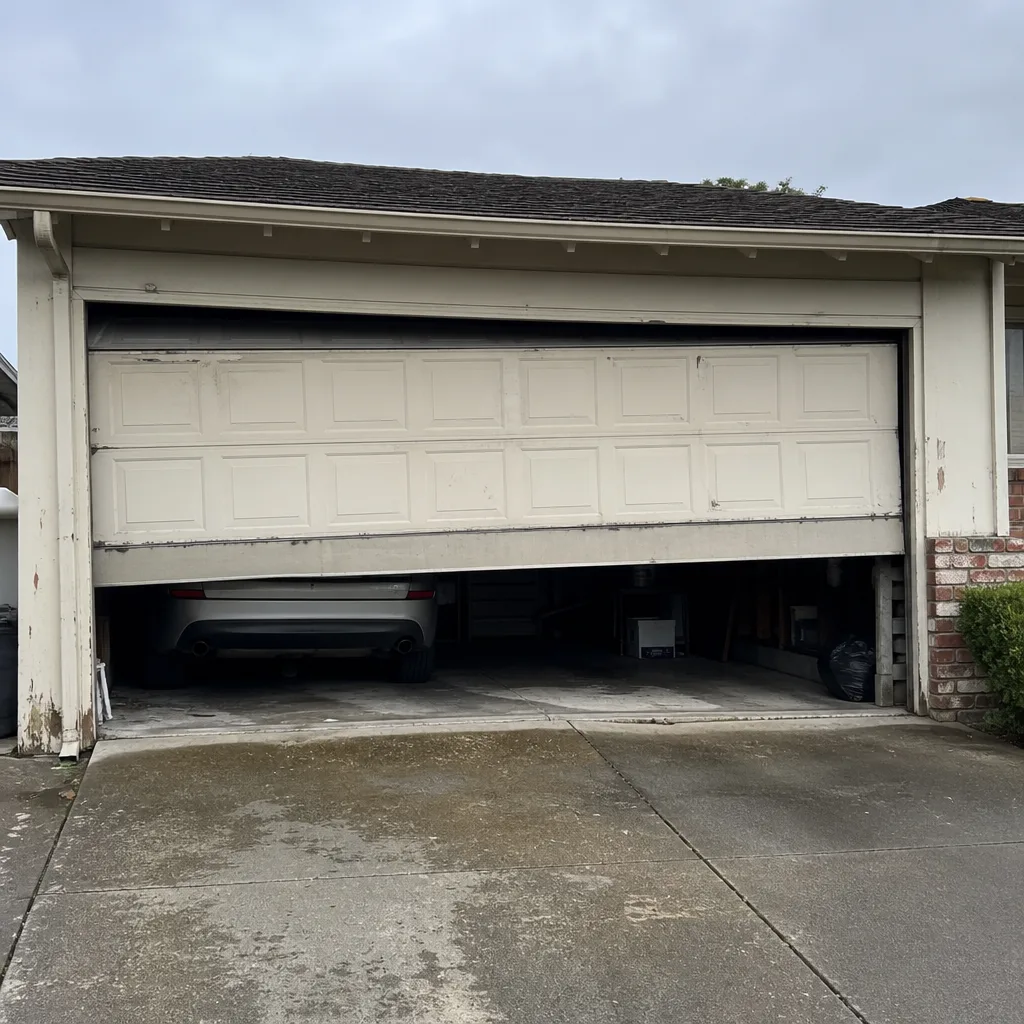 Before
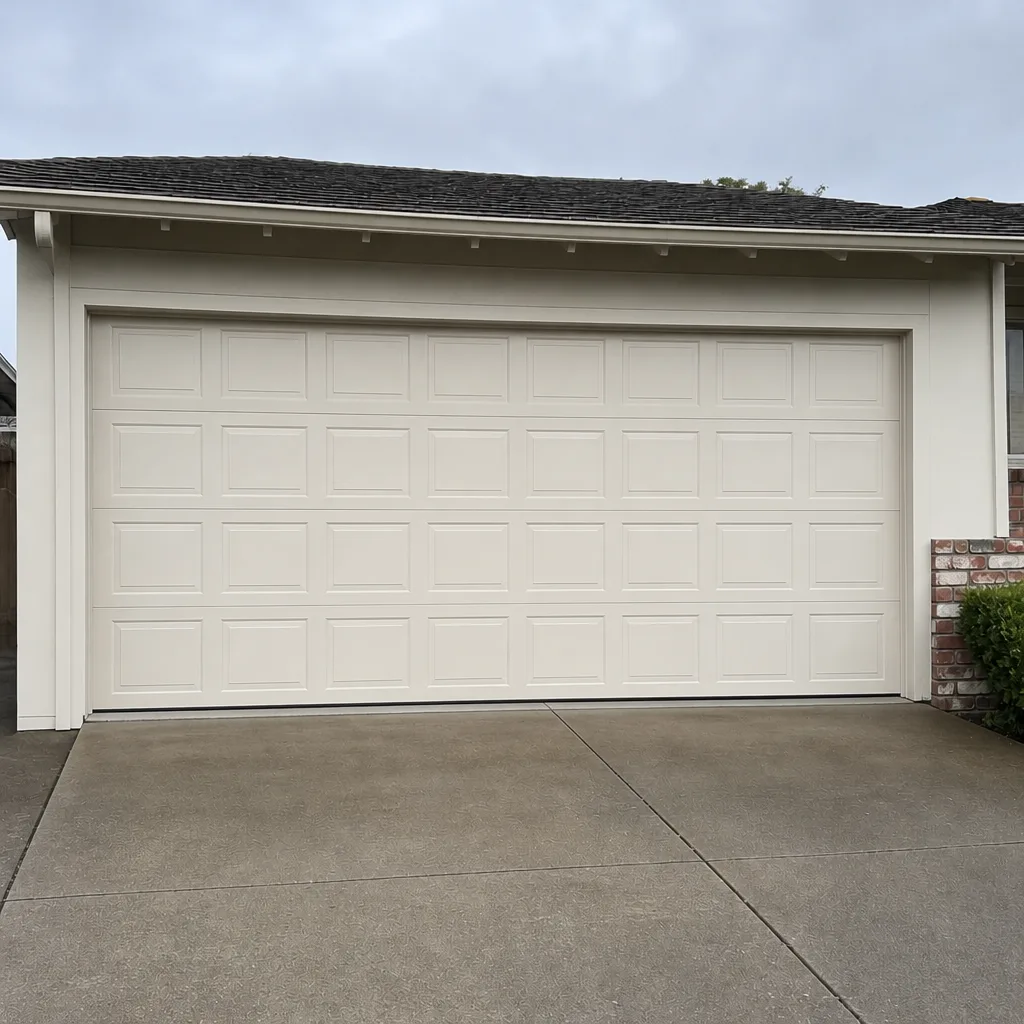 After
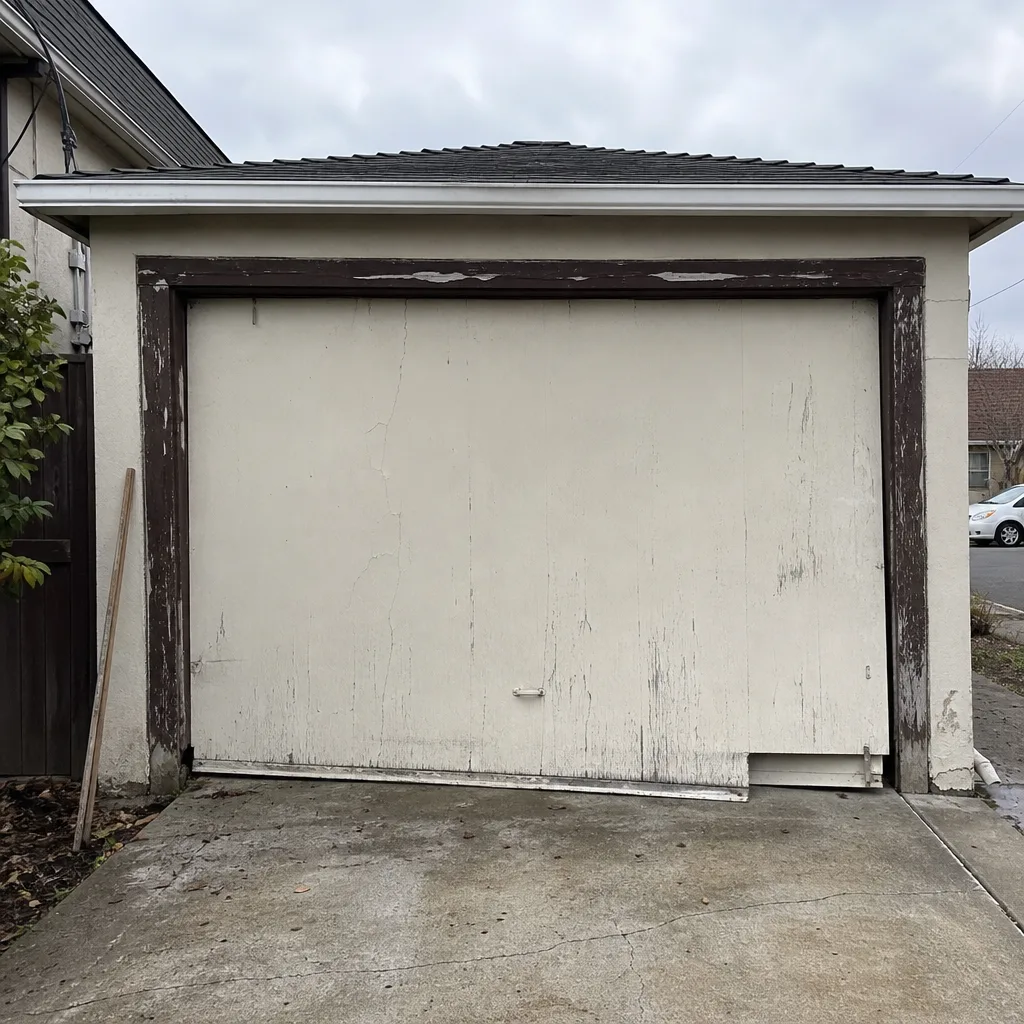 Before
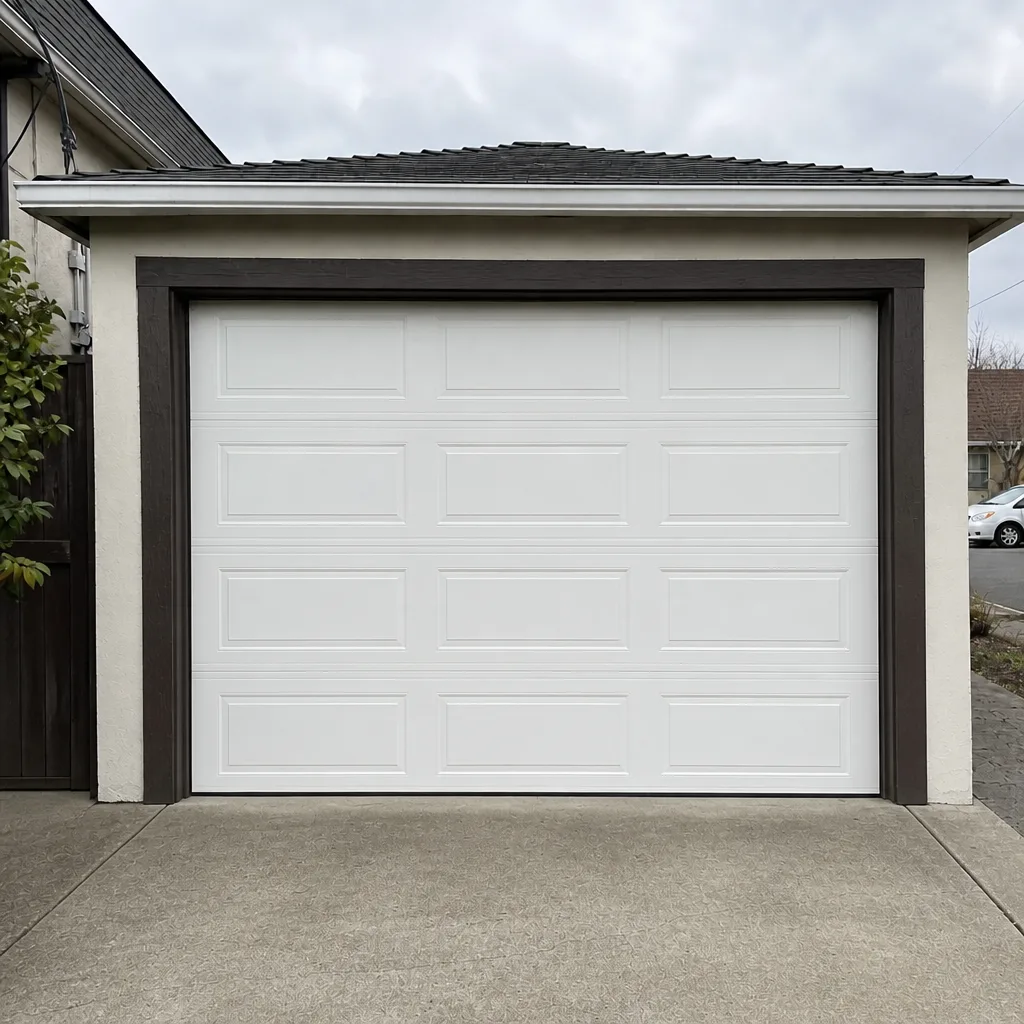 After