
Last updated November 4, 2026
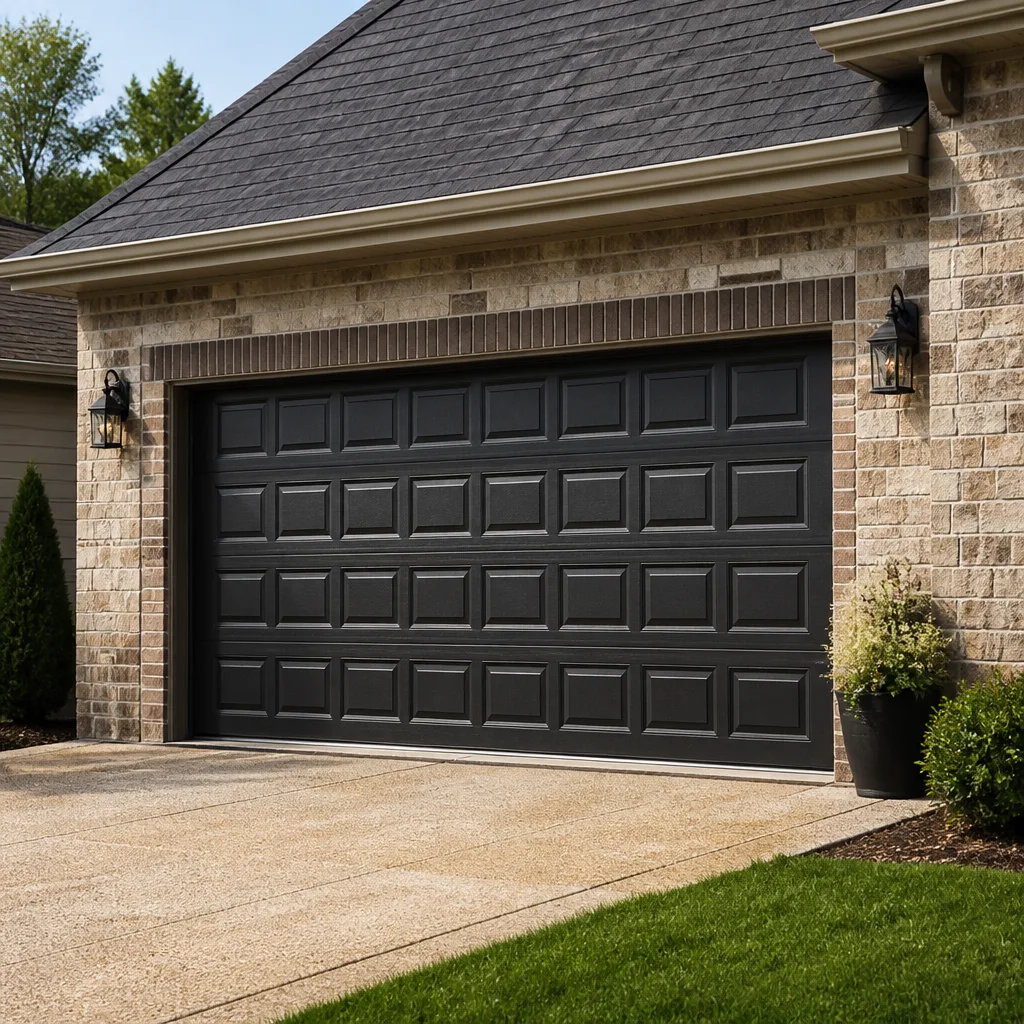 Raised-panel steel
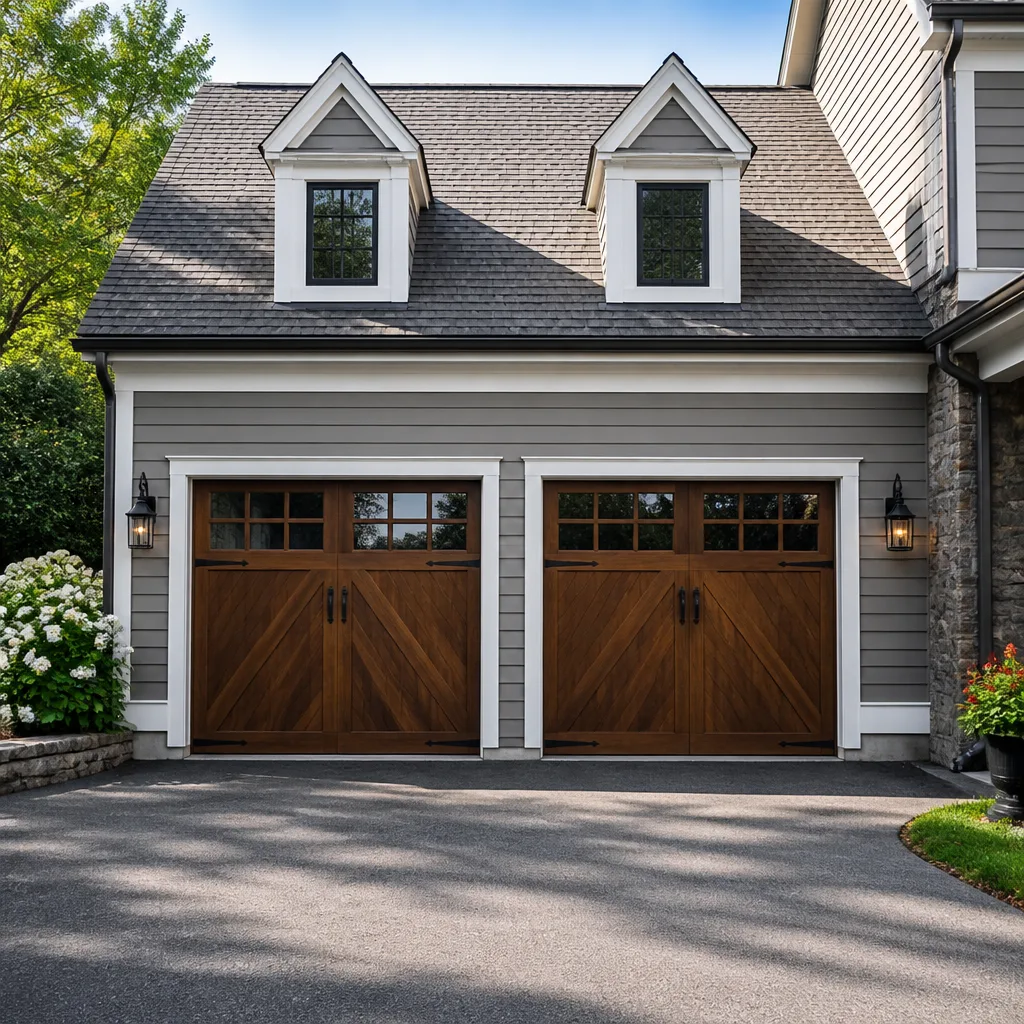 Carriage house
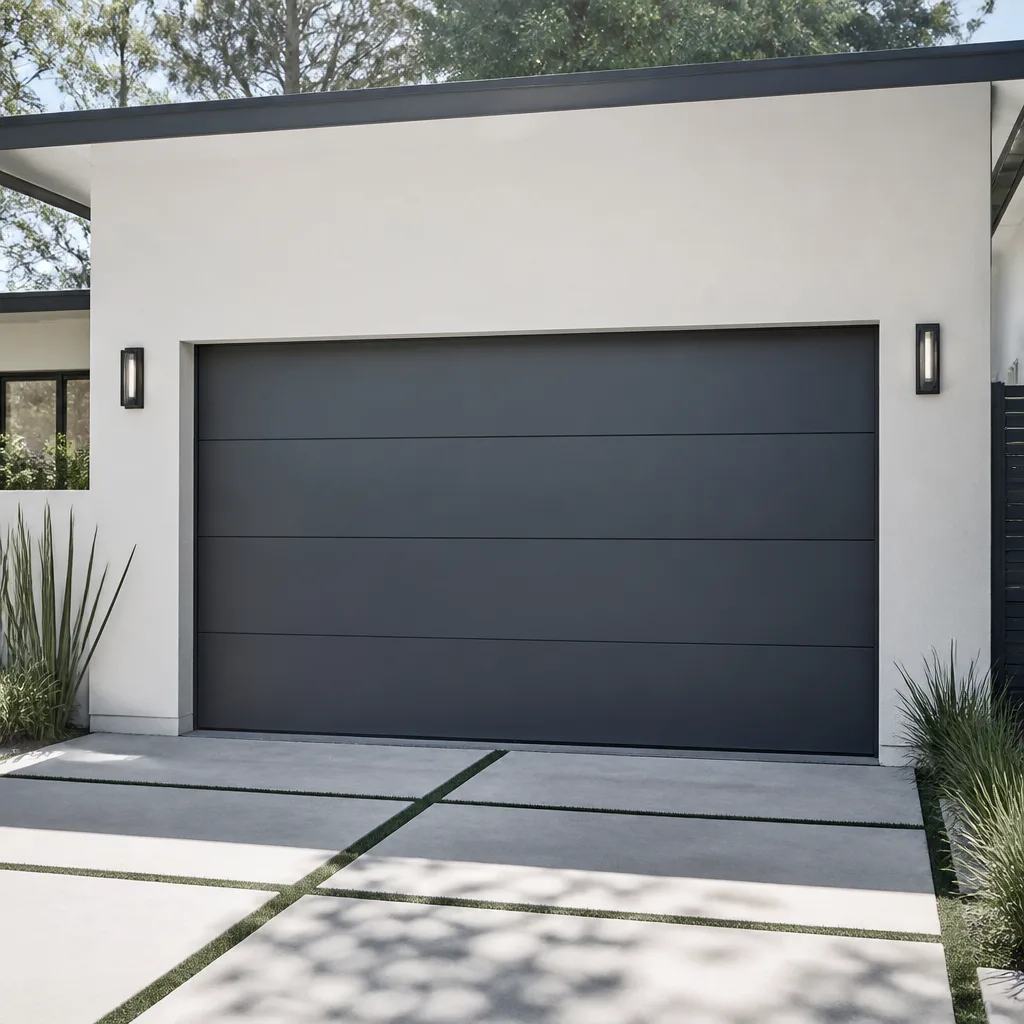 Modern flush
 Full-view glass
 LiftMaster openers
 Chamberlain openers
Full 25-point door and opener safety check with every visit - springs, cables, rollers, tracks, and your LiftMaster or Chamberlain opener included
You get a price before we start. It does not change when the truck arrives.
Get your free estimateGarage Door Warning Signs: A San Leandro Homeowner’s Reference Guide
Most homeowners treat a noisy garage door the way they treat a check-engine light: they turn up the radio and hope it goes away. But a garage door that shakes, groans, or hesitates is not being vague. It is giving you a specific diagnostic signature, one that maps to an exact component and a predictable failure mode. This guide decodes eight of those signatures. You will learn to read your door the way a technician does, tell the difference between a $40 roller job and a $400 cable-and-drum replacement, and know when to stop using the door entirely. In San Leandro, where nearly every home depends on its garage for daily entry and exit, losing that door is not a small inconvenience. Understanding the warning signs before the failure is how you avoid it.
Quick Answer
Garage door warning signs are specific, repeatable behaviors that point to the component failing: a door slow on one side indicates a worn roller or hinge, a door that reverses before hitting the floor points to a misaligned safety sensor, and a door that runs when the opener is unplugged means the spring is broken. Most of these signs are visible or audible from the floor without touching anything. The rule is simple: if a symptom involves the springs, cables, or the door moving unevenly, stop using the door and call a professional.
Styles & brands we work with
- Raised-panel steel
- Carriage house
- Modern flush
- Full-view glass
- LiftMaster openers
- Chamberlain openers
Table of Contents
- The Symptom-to-Component Diagnostic Matrix
- The Sound Decoder: What Your Garage Door Is Telling You
- Visual Wear Indicators You Can See from the Floor
- Opener Problems vs. Mechanical Problems: A 3x Cost Difference
- Act Now vs. Monitor: The Decision Framework
- Spring Failure: The One Sign You Cannot Ignore
- San Leandro Conditions That Accelerate Wear
- Common Mistakes to Avoid
- When to Call a Professional
- Frequently Asked Questions
The Symptom-to-Component Diagnostic Matrix
Every garage door symptom is a message. The trick is knowing who sent it. A door that moves slowly on the way up but fine on the way down is not the same problem as a door that jerks at a certain point in its travel. Here are the eight symptom patterns we see most often in San Leandro homes, mapped to their root cause. Read the symptom, find the component, and you will know the likely scope of the repair before anyone steps foot in your garage.
- Shakes on the way down but not up: A worn roller on the side that shakes. The roller bearing is failing under the change in load direction. This is typically a roller replacement, not a track problem.
- Slow on one side only: A hinge binding or a roller that has lost its ball bearings. The door is dragging on one track. Left alone, it will pull the door out of square and wear the other side.
- Loud bang when the opener starts to lift: A spring that has lost tension or a loose opener mounting bracket. The bang is the sudden load transfer. This one needs a professional look quickly.
- Jerky movement at a specific point in travel: A bent track section or a roller hitting a flat spot. The door is finding resistance at the same physical location every cycle.
- Reverses before touching the floor: A misaligned photo eye sensor or an opener force setting that is too sensitive. This is an opener or sensor issue, not a door mechanical problem.
- Door drifts down after opening halfway: One spring is broken or stretched. The remaining spring cannot hold the door’s weight. Stop using the door immediately.
- Grinding sound with visible metal shavings on the track: A roller that has seized and is now scraping the track. The shavings are the tell. The roller and possibly the track section need replacement.
- Opener runs but door does not move: The emergency release is engaged, or the drive gear in the opener is stripped, or a cable is off the drum. The first two are opener repairs; the third means the door is not safe to operate.
These eight patterns cover the vast majority of what we diagnose on service calls. The value of the matrix is in the decision it enables: a shaking door with a worn roller is a repair you can schedule. A door drifting down on its own is a spring replacement you need before the door becomes a wall. If you have a door in San Leandro showing any of these signs, a professional garage door repair diagnostic call will confirm which component is failing and what the fix costs before any work is approved.
The Sound Decoder: What Your Garage Door Is Telling You
Your ears are the first diagnostic tool you have. Most garage door failures announce themselves acoustically days or weeks before they become mechanical failures. The key is separating the normal sounds of an opener running from the sounds of a door tearing itself apart. Here is what each specific sound means, described in terms you can identify without special equipment.
The spring under tension failure warning. A torsion spring that is about to break often does not make a dramatic squeal. It makes a soft creaking or clicking sound near the spring itself, the sound of coils shifting microscopically under load. It may sound like someone tapping a metal pipe with a nail, once per cycle, at the same point in the door’s travel. If you hear that, the spring is near the end of its life. A broken spring, by contrast, is unmistakable: a single loud crack, like a gunshot from inside the garage, followed by silence, and then the opener either failing to lift the door or lifting it halfway and stopping.
The roller bearing failure. A failing roller bearing sounds like a high-pitched squeal that changes in pitch as the door moves, often louder on the way up and quieter on the way down or the reverse. It is metallic, it is consistent, and it comes from the side of the door, not the center. A roller that has lost its bearing and is now sliding on the track makes a lower, grinding, rough sound, like coarse sandpaper drawn across steel. That is metal-on-metal wear and it will damage the track.
The loose track bolt. A loose track bolt or mounting bracket makes a rattle that is intermittent and tied to the door’s movement, not the opener’s motor. It sounds like a loose washer rattling against a bolt. You can identify it by having someone watch the track while the door runs: if the track visibly moves or vibrates independently of the door, the bolts are loose. This one is a quick fix but ignored, it allows the track to shift, and a shifted track can derail a door.
For San Leandro homeowners, the value of decoding these sounds is that you know whether you have a lubricate-and-tighten situation or a do-not-touch situation. A squealing roller is a maintenance call. A clicking spring is an immediate call. If you are unsure which sound you are hearing, describe it over the phone: a technician who knows the brand of door you have and the opener model can usually narrow it down before they arrive. At Crestview Garage Door Repair, we work on Clopay, Amarr, Wayne Dalton, and Raynor doors, so the brand of door does not change our ability to read the sound. It just tells us what parts to bring.
Visual Wear Indicators You Can See from the Floor
You do not need to touch anything to spot most garage door wear. In fact, you should not touch anything: cables under tension and springs under load are dangerous. But from the floor, without a ladder, without opening a panel, you can see the visual evidence of a door in decline. Here is what to look for and what it means.
Cable condition. Look at the lift cables, the steel wires that run up from the bottom corners of the door to the drums above the opening. A healthy cable is straight, tight, and has no visible frays. A failing cable shows small broken strands sticking out, almost like a fuzzy edge. It may also show rust, especially in the lower section near the floor where condensation collects. In San Leandro homes, the mild, often damp winter air can leave surface moisture on metal components in uninsulated garages, accelerating rust on cables that are already near the end of their life. A frayed cable is a failure waiting for the worst possible moment: when it snaps, the door drops on one side and jams, often bending the track and damaging the panels.
Spring condition. On a torsion spring door, look at the spring above the closed door. A healthy spring has tightly spaced coils with no visible gaps. A spring that is nearing failure often shows a visible gap between two coils, usually where a crack has started or where the spring has stretched. You may also see a small separation or a slight rust line running along one coil. On extension spring doors, the two springs hang parallel to the horizontal tracks. If one looks stretched longer than the other, that spring has lost its tension and the other is now doing double duty. A gap in a torsion spring or an uneven extension spring pair means the spring needs replacement before it breaks.
Track alignment and hardware. The tracks guide the door’s rollers. Look at both vertical tracks and the horizontal sections. They should be parallel to each other and the door should sit evenly between them. If one track has a visible bend, a gap between the track and the wall, or loose bolts with visible rust streaks below them, that track has been moving under load. You may also see metal shavings at the base of the track, the residue of a seized roller grinding against the steel. Any of these signs means the door is not tracking true, and a door that is not tracking true will strain every other component.
Panel condition. Look at the door panels themselves. Small dents from bicycles or parking mishaps are cosmetic. But a panel that is bowed, that has pulled away from the horizontal strut on the inside, or that has a crack running through it is a structural problem. A cracked panel changes the door’s weight distribution and puts uneven load on the hinges, rollers, and springs. On wood doors, look for soft spots or delamination at the bottom of the panel. On steel doors like many Clopay and Amarr models, look for a crack at the hinge attachment point. That kind of failure means the panel will continue to flex until it finally separates.
None of these visual checks require you to open the door or get near the springs. They take two minutes. The knowledge they give you is the difference between catching a frayed cable at $150 and catching a dropped door at $1,500.
Opener Problems vs. Mechanical Problems: A 3x Cost Difference
Here is the distinction most homeowners miss, and it costs them real money. An opener problem is an electrical or logic issue: the motor, the drive gear, the circuit board, the remote. A mechanical problem is a physical issue with the door: springs, rollers, cables, tracks, hinges. The repair cost differs by roughly three times because an opener repair is usually a part swap on a component that costs $40 to $200, while a mechanical repair can involve springs under tension, cable replacement, and door weight management. Knowing which category your symptom falls into tells you what kind of call you are making.
Signs of an opener problem. The opener runs but the door does not move: that is a stripped drive gear, a broken trolley, or a disengaged emergency release. The door opens and closes but the opener makes a grinding noise: that is a worn gear in the opener head. The remote works intermittently or the wall button works but the remote does not: that is a logic board or receiver issue. The opener reverses for no reason: that is a sensor alignment issue or a force-setting adjustment. None of these involve the door’s springs or cables.
Signs of a mechanical problem. The door is heavy when you pull the emergency release and try to lift it manually: the spring has failed. The door binds at a point in its travel and you can hear metal scraping: a roller or hinge is failing. The cables are frayed or loose: the cable or drum is failing. The door sits crooked in the opening: a spring, cable, or hinge on one side has failed. These all require the door itself to be repaired, and the opener is likely fine.
The costly mistake is assuming a loud grinding when the door opens is an opener motor failure and replacing the opener, when the cause is a seized roller dragging on the track. The door keeps working hard, the motor burns out, and now you have both repairs. Or the reverse: the opener runs, the door does not move, and the homeowner assumes the spring broke, but it is a $15 drive gear. A garage door opener repair diagnostic sorts this out in minutes. At Crestview, we work on LiftMaster, Chamberlain, Genie, and Craftsman openers, and we tell you which part is actually failing before recommending anything.
Act Now vs. Monitor: The Decision Framework
Not every warning sign means your door will fail tonight. Some signs mean stop using the door. Others mean schedule a repair in the next few weeks. Here is the framework we give our own customers in San Leandro, the same one our technicians train on.
Act now, do not use the door:
- Door drifts down after being opened halfway, or will not stay fully open. This means a broken or failed spring. The door is heavier than it should be and could drop.
- Loud crack or bang from the spring area followed by the door not moving normally. The spring has broken. The opener may still run; do not use it.
- Frayed or separated cable on either side. The door is held by one cable or none. It will drop on one side and jam.
- Door is visibly crooked in the opening when closed. One side has failed. Continuing to run the door will bend the tracks.
Monitor and schedule within 30 days:
- Squealing roller that is consistent but the door moves normally. The roller bearing is failing; it will worsen but generally not catastrophically.
- Rattle from loose track bolts with no visible track movement. Tighten bolts or have them tightened; the door is not about to fail.
- Slow on one side with no grinding or visible damage. A hinge is binding. It is wearing unevenly, but the door still operates.
- Remote or opener intermittent. The door still works via the wall button. This is a convenience issue and a logic board or receiver repair can be scheduled.
The rule behind the framework is mechanical risk. If the failure mode involves the door’s weight being uncontrolled, act now because a falling door can injure someone or damage a vehicle. If the failure mode is wear that degrades performance, monitor it and book a repair when it is convenient. In San Leandro, where many garages are the primary entry point, a door that fails on a weekday morning means a missed workday. Better to catch the wear signs early and schedule on your own terms.
Spring Failure: The One Sign You Cannot Ignore
Garage door springs carry the full weight of the door on every cycle. A standard double-car door in San Leandro weighs anywhere from 150 to 250 pounds depending on the material. The springs do that lifting, not the opener. The opener just initiates the movement. When a spring fails, the door becomes dead weight, and the opener motor is suddenly asked to do a job it was never designed for. That is when expensive cascading failures happen: stripped opener gears, bent tracks, snapped cables, and occasionally the door itself dropping onto whatever is underneath it.
The warning signs of spring failure are covered above, but they bear repeating because the stakes are highest here. A visible gap in the torsion spring coils. A door that feels heavy when you disengage the emergency release and try to lift it by hand. A bang from the spring area when the opener starts. A door that drifts down from the open position. Any of these is a reason to stop using the door and call a professional. Do not attempt to adjust, lubricate, or replace a spring yourself. Torsion springs are under hundreds of pounds of torque; a spring that lets go while you are working on it can cause serious injury. This is the one component where we will always tell you to call before touching anything.
Spring replacement is a routine repair for a garage door specialist, but it is not a homeowner job. The spring must be matched to the door’s weight and height, and the cable drums must be wound in sync, not to mention that the cycle-life rating of the replacement spring must match or exceed the original. Homeowners who buy a universal spring from a hardware store are often back in the same position a year later because the spring was undersized for their door. A professional replacement means the new spring is rated for the door in front of it, and the door is balanced before the technician leaves.
San Leandro Conditions That Accelerate Wear
Every climate wears garage door components differently. San Leandro’s mild, damp winters and warm, dry summers create a specific set of conditions that affect how doors age and what signs appear first. Understanding this helps you read your door more accurately.
The damp winter air is the big one. San Leandro gets morning fog and consistent moisture from roughly November through March, even when it never gets cold enough to freeze. That moisture condenses on metal components in uninsulated garages, especially cables, hinges, and the bottom sections of tracks. Over years, this produces surface rust on cables and roller stems. The rust itself does not cause immediate failure, but it creates rough surfaces that accelerate wear on moving parts. A cable with a light rust film is more likely to fray at the point where it bends around the drum, and a roller stem with rust will grind rather than spin.
The dry summer months bring a different problem: dust. San Leandro sits in the East Bay, and the long dry season means fine dust gets into garages and onto tracks. That dust mixes with whatever grease is on the tracks and rollers and forms an abrasive paste. A door that runs every day through a dusty summer will wear roller bearings faster than one in a cleaner environment. This is why we recommend wiping down the tracks and checking roller movement twice a year, once at the end of the wet season and once at the end of the dry season.
There is also the matter of garage use patterns. San Leandro is a city of commuters. The garage door goes up in the morning, down at night, every weekday, year-round. That is roughly 500 to 700 cycles a year for a typical household. Most standard springs are rated for 10,000 cycles, so a spring installed by a previous homeowner could be reaching the end of its life after 12 to 14 years of daily use. If your home was built in the 1990s or 2000s and the springs have never been replaced, they are on borrowed time regardless of how the door feels.
If you are in San Leandro and you have noticed any of the warning signs in this guide, the climate and use pattern here means the problem will not stay static. It will progress. Address it during the season you notice it, not the season it becomes an emergency.
Common Mistakes to Avoid
- Lubricating everything with WD-40. WD-40 is a solvent, not a garage door lubricant. It strips the grease from rollers and hinges and dries them out faster. Use a purpose-made garage door lubricant or a white lithium grease, and never spray it on the spring coils themselves.
- Ignoring a squealing roller because the door still works. The roller bearing is failing. Every cycle it runs metal-on-metal wears the track. By the time the door jams, you have a roller and a track section to replace instead of just the roller.
- Replacing the opener before diagnosing the door. If the opener runs but the door does not move, the problem may be the door or the opener’s drive gear. A diagnostic call is cheaper than a new opener, and a new opener on a failing door does not fix the door.
- Watching a frayed cable and hoping it holds. A frayed cable does not recover. It will snap, and when it does, the door will drop on that side and jam, bending the track and damaging the panel. The cable is the cheap part; the damage from its failure is what costs money.
- Trying to “balance” the door with a spring replacement from YouTube. Garage door springs kill people who do not know what they are doing. This is the one repair where the risk is not a bruised ego. Call a professional, full stop.
- Forgetting the photo eye sensors when the door reverses. Before calling anyone about a door that refuses to close, check that nothing is blocking the sensor lenses near the floor and that they are aligned. That is the most common cause and the cheapest fix.
When to Call a Professional
Some garage door problems are clearly DIY: tightening a loose bolt, wiping dust off the sensors, lubricating a roller. But anything involving the springs, cables, or the weight of the door itself is a professional job, not because it is complicated, but because the cost of a mistake is measured in hospital bills, not just repair bills. A broken spring under tension, a frayed cable under load, a door that has jumped its track: these are the scenarios where you stop, step back, and call.
Call when the door drifts down, when a spring is visibly gapped, when a cable is frayed, when the door is crooked, or when you hear a bang that you cannot identify as a loose bolt. Call when the opener runs and the door does not move, or when the door reverses for no reason and the sensors are clear. A diagnostic visit answers the question everyone has: is this a $40 roller or a $400 cable-and-drum repair? Worth knowing before you make any decision.
Crestview Garage Door Repair offers free estimates in San Leandro. Call (855) 356-4591. We answer 24/7. Fast dispatch from 7am to 7pm, Sunday through Friday.
Frequently Asked Questions
The most common warning sign we see is a squealing or grinding noise from one side of the door, which is almost always a failing roller bearing. The mild damp winters and dry summers in San Leandro accelerate roller wear, and because most garage doors here cycle twice a day every weekday, the rollers reach the end of their bearing life predictably. Call (855) 356-4591 for a free estimate if your door is making a consistent metallic squeal or grind.
A clicking sound from the spring area usually means the spring coils are shifting under load, which is a sign that the spring is near failure. It may run for weeks or days, but the risk is that it snaps while the door is up or mid-travel, and the door then drops. Do not use the door until a professional has inspected the spring.
Disengage the emergency release cord and try to lift the door manually. If it is heavy or will not stay up on its own, the problem is the springs or cables. If the door moves easily by hand but the opener cannot move it, the problem is the opener’s drive gear, trolley, or motor. This single test separates mechanical from opener issues.
Not always. If the crack is in one panel and the rest of the door is structurally sound, that panel can often be replaced individually. However, on older doors the panel may be discontinued, and a new panel may not match the faded color of the existing door. In that case, a full door replacement is the better call. A specialist can measure the door and tell you which option makes sense for your specific brand and model.
Lubricating the rollers, hinges, and tracks with a purpose-made garage door lubricant can quiet a door that is otherwise operating normally. However, if the noise persists after lubrication or sounds like metal grinding on metal, the roller bearing has failed and lubrication will not fix it. The roller needs to be replaced. Never lubricate a spring to stop it from clicking; that is a tension or wear issue, not a dryness issue.
Given the daily use pattern of most San Leandro households and the local climate’s effect on metal components, an inspection every 12 months is reasonable for most doors. It catches frayed cables, worn rollers, and spring fatigue before they become failures. A free estimate call that includes a diagnostic look is a low-cost way to stay ahead of the common failure patterns in this area.
The Bottom Line
Your garage door talks. It tells you, in consistent, repeatable symptoms, exactly what is failing and roughly what it will cost to fix. A shaking door, a squealing roller, a frayed cable, a clicking spring: each of these is a diagnostic signature that maps to one component. Learn to read the signs, and you stop paying for emergency repairs and start scheduling maintenance on your own terms. In San Leandro, where the garage is often the main entry point and the door cycles hundreds of times a year, that knowledge is worth real money. The guide above gives you the framework. The next step is a professional diagnostic, and the price of that call is zero. Call (855) 356-4591. We answer 24/7. Fast dispatch from 7am to 7pm, Sunday through Friday. The right time to identify a failing component is before it fails. That time is now.
Written by the team at Crestview Garage Door Repair, serving San Leandro since 2014.
See the difference
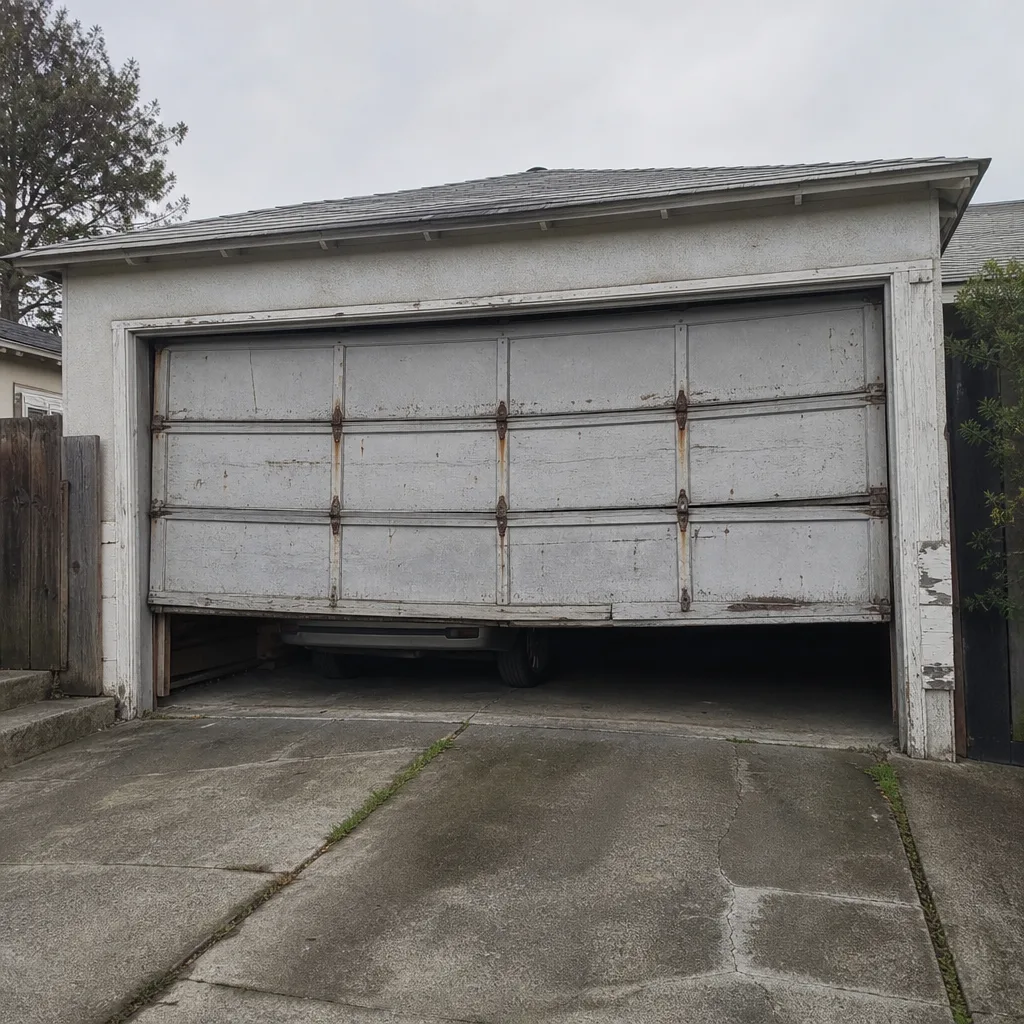 Before
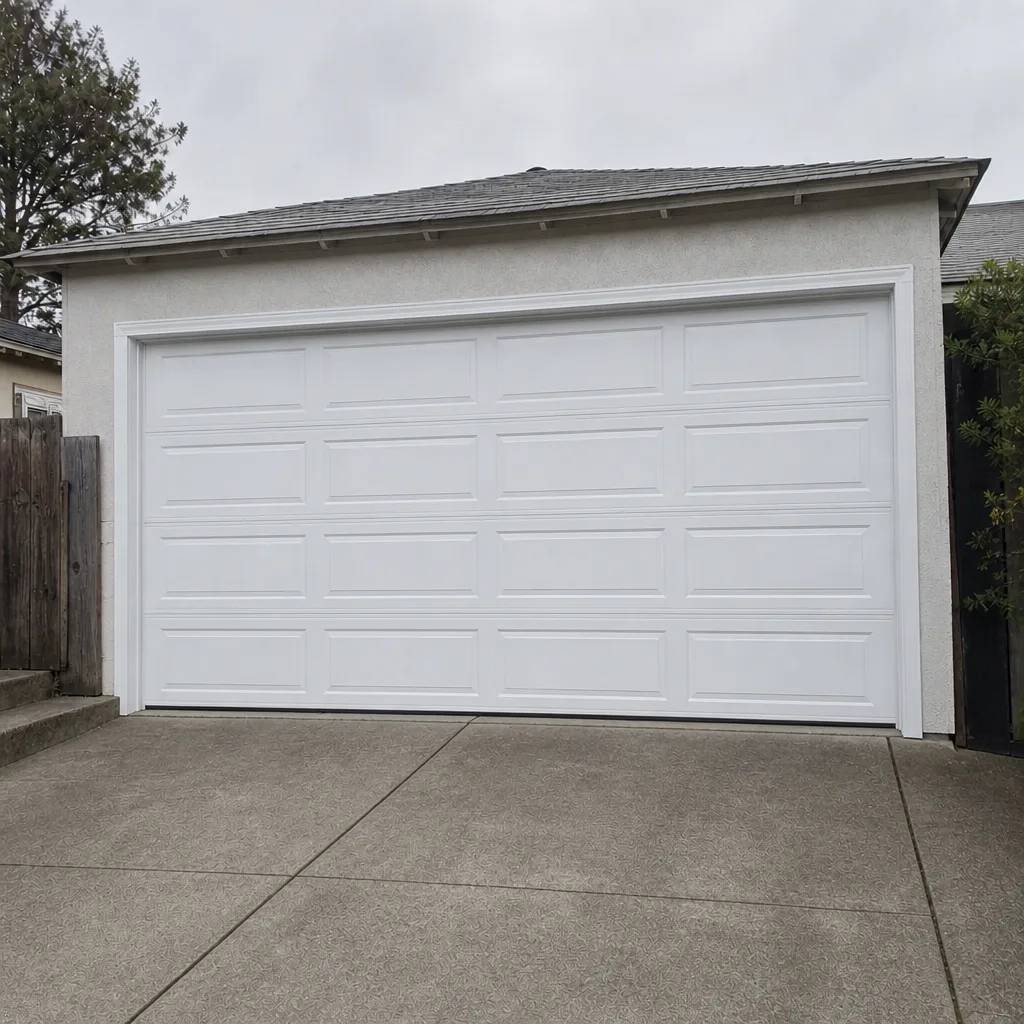 After
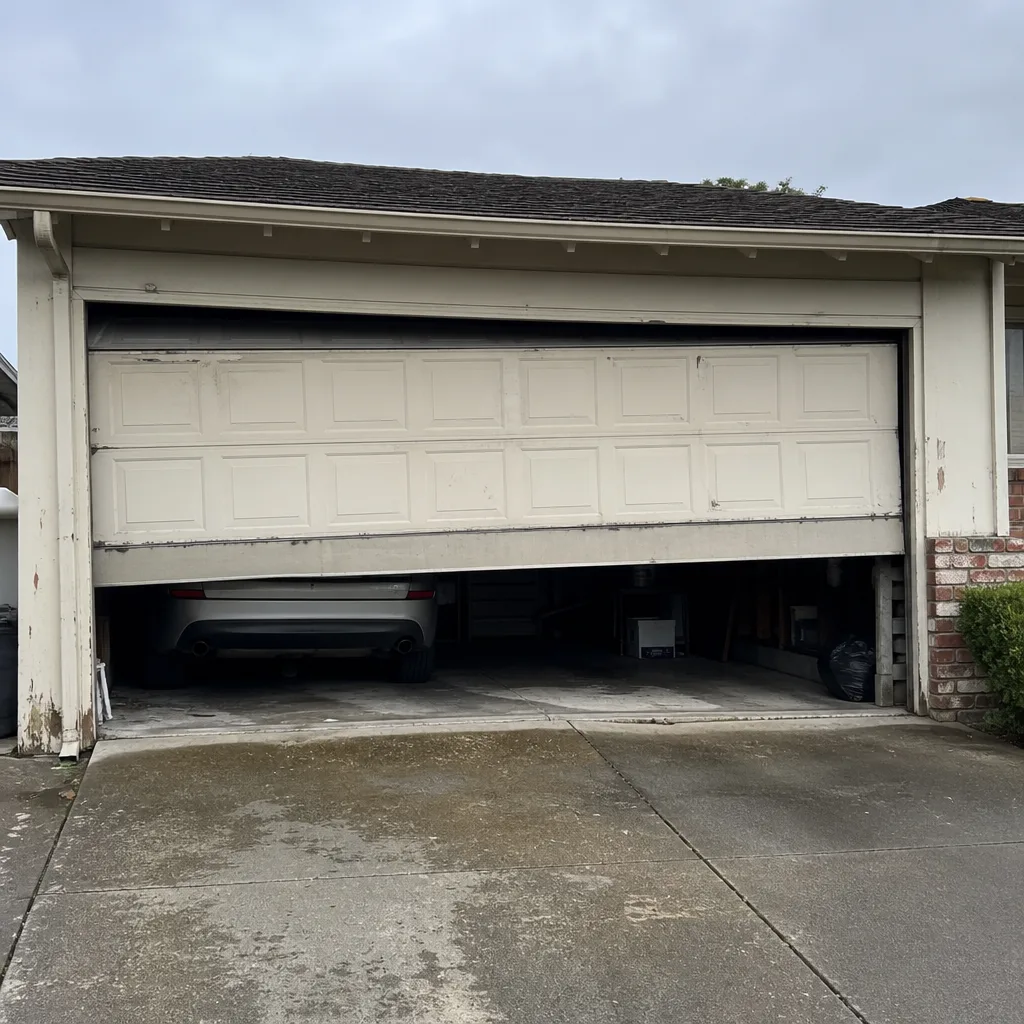 Before
 After
 Before
 After